
Shona and Ndebele People: Zimbabwe’s Cultural Pillars
Zimbabwe ethnic groups. Zimbabwe’s cultural landscape is shaped by two dominant ethnic groups: the Shona and the Ndebele. Together, they define much of the country’s language, art, music, spirituality, and history. Each group carries deep traditions, distinct social systems, and rich oral storytelling.
The Shona People – Spirit, Stone, and Song
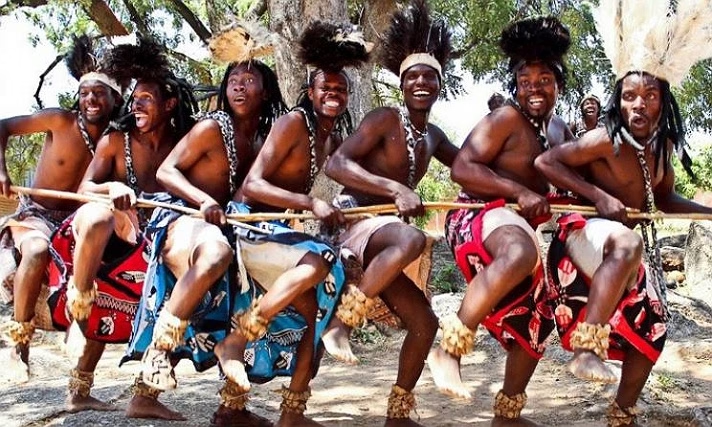
The Shona form Zimbabwe’s largest ethnic group, making up about 70% of the population. They speak ChiShona, a language with several dialects such as Zezuru, Karanga, Manyika, and Korekore.
Shona culture centers on spirituality. Families honor ancestors through spirit mediums and ritual gatherings. Sacred rituals mark major life events like births, marriages, and deaths.
Art shapes Shona identity. Shona artists carve stone—especially serpentinite and soapstone—to express spiritual beliefs, animals, and human forms. Music also plays a vital role. People use traditional instruments like the mbira (thumb piano) and drums in storytelling, ceremonies, and dance.
Shona society once organized itself into clans led by chiefs. People continue to value communal living and show deep respect for elders.
The Ndebele People – Warriors, Beads, and Identity
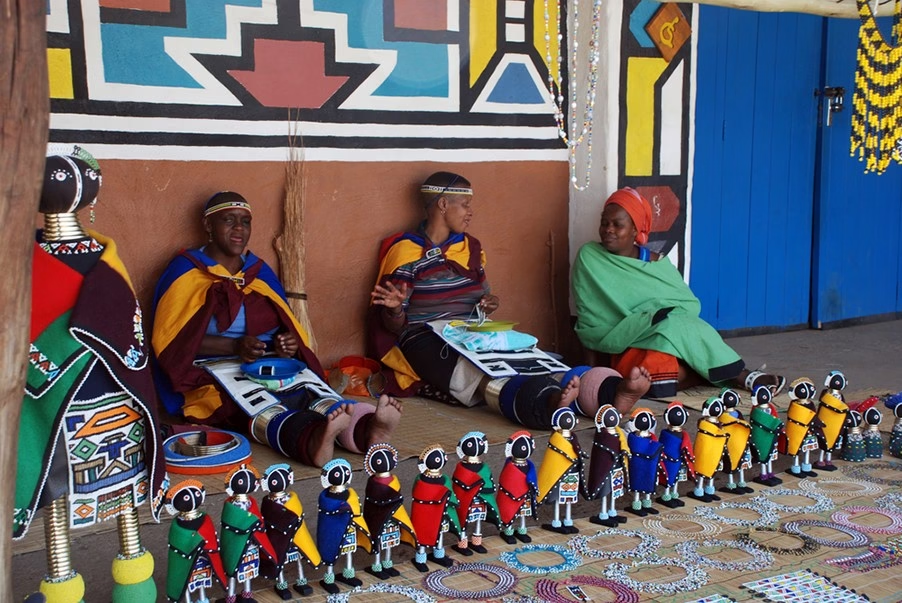
The Ndebele, Zimbabwe’s second-largest ethnic group, live mostly in the southwestern parts of the country—especially in Matabeleland. They speak IsiNdebele, a language related to Zulu. Their ancestors migrated from South Africa in the 19th century under the leadership of King Mzilikazi, a former general of Shaka Zulu.
Ndebele culture is proud, structured, and expressive. They are known for strong military organization, vibrant beadwork, and colorful homesteads. Ndebele women decorate their homes with geometric wall paintings. Their beaded necklaces, bracelets, and aprons are symbols of status and identity.
Community life is guided by strict codes of respect, hierarchy, and honor. The Ndebele king or chief traditionally held political and spiritual authority. Warriors were trained from a young age to defend the kingdom.
Ndebele ceremonies mark life stages and community events. Traditional dances, like the amabhiza, feature rhythmic stomping and storytelling. Drums, whistles, and singing create powerful group performances.
Shona and Ndebele: A Shared Homeland, Different Paths
Though the Shona and Ndebele share the same national identity today, their histories are marked by conflict, colonization, and eventual unity.
In the late 1800s, the two groups clashed during Ndebele invasions into Shona territory. Later, both communities endured colonization by the British South Africa Company and suffered under Rhodesian rule. During the liberation struggle of the 1970s, both Shona and Ndebele people fought for independence.
Post-independence, political and tribal tensions sometimes surfaced—most notably during the Gukurahundi period of the 1980s, when violence affected many Ndebele communities.
Today, efforts continue to bridge historical divides and celebrate cultural diversity. National events, schools, and art festivals promote unity while respecting each group’s identity.
Modern Expressions and Cultural Revival
Both Shona and Ndebele cultures thrive in modern Zimbabwe. Urban artists remix traditional mbira with Afro-jazz and hip-hop. Young Ndebele designers fuse beadwork with modern fashion. Shona sculptors display their works globally. Language, song, and ceremony continue to evolve with new generations.
Cultural villages, museums, and storytelling festivals help preserve and showcase Zimbabwe’s living heritage. Visitors can now experience homestays, traditional meals, and local performances that offer deep insight into both cultures.
Experience the Culture Firsthand
Visiting Zimbabwe gives travelers a chance to connect with both Shona and Ndebele ways of life. In Harare, Bulawayo, and rural villages, you can meet local artists, listen to spiritual music, and witness age-old rituals that still matter today.
Whether you’re interested in art, oral history, community life, or traditional food, both cultures offer meaningful encounters.
Plan Your Zimbabwe Cultural Journey
At VisitRwandaGorilla.com, we create cultural tours that explore both Shona and Ndebele heritage. From ancient ruins to living traditions, from local homesteads to national museums—we’ll guide you through Zimbabwe’s beating cultural heart.
👉 Contact us today to design a custom cultural safari experience in Zimbabwe.