
How to See Gorillas in Uganda
Uganda is one of the few places in the world where you can see endangered mountain gorillas in the wild. With more than half of the remaining population, the country offers one of the most immersive and rewarding wildlife experiences on the planet. To make the most of it, you need to plan ahead.
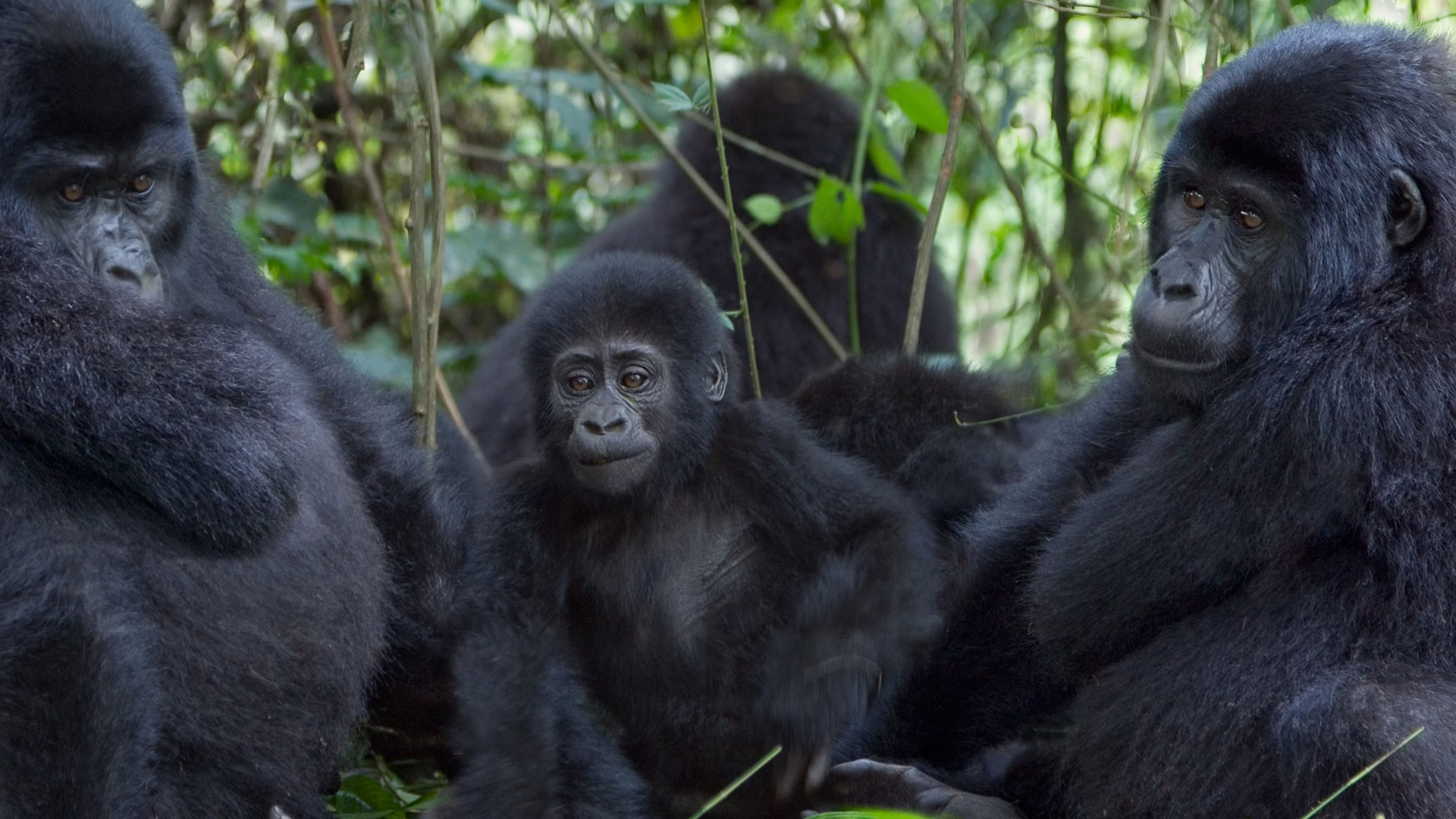
Choose Between Bwindi and Mgahinga
Gorilla trekking in Uganda happens in two national parks.
Bwindi Impenetrable National Park is the most popular. It has over 20 habituated gorilla families spread across four trekking sectors: Buhoma, Ruhija, Rushaga, and Nkuringo. It offers both standard trekking and the gorilla habituation experience, which allows more time with the primates.
Mgahinga Gorilla National Park is smaller, less crowded, and equally scenic. It’s home to the Nyakagezi group, known for staying within Ugandan borders. Mgahinga sits in the Virunga Mountains and shares a border with Rwanda and Congo.
Choose Bwindi for variety and more availability. Pick Mgahinga for a shorter, more serene trek.
Secure Your Gorilla Permit
All visitors need a gorilla trekking permit issued by the Uganda Wildlife Authority (UWA). Permits are essential and must be booked in advance.
- The standard permit costs $800 and includes one hour with the gorillas.
- The habituation permit costs $1,500 and allows up to four hours with a gorilla group still adjusting to human presence.
Only 8 people per day visit each gorilla family, so book early—especially for peak seasons like June to September and December to February.
You can purchase your permit through a licensed tour operator or directly from UWA.
Pick the Best Time to Visit
Gorilla trekking in Uganda is possible all year, but the best months are during the dry seasons. These are from June to September and December to February. The trails are drier and easier to hike, and there is less chance of heavy rainfall.
The wet seasons—March to May and October to November—offer lush scenery and fewer tourists. However, trails become muddy and treks more challenging.
Decide How to Get There
Getting to the gorilla parks depends on your starting point and budget.
From Entebbe or Kampala, you can drive to Bwindi or Mgahinga. The journey takes 8 to 10 hours and passes through scenic countryside.
Alternatively, you can fly from Entebbe to Kisoro or Kihihi, which takes about an hour. You’ll need a short transfer from the airstrip to your lodge.
If coming from Kigali, Rwanda, cross-border travel to southern Bwindi or Mgahinga takes just 4 to 5 hours by road. This is a popular option for travelers on tight schedules.
Prepare for the Trek
Gorilla trekking requires moderate physical fitness. You might hike for 1 to 6 hours through steep hills, dense jungle, and muddy trails.
Pack wisely. Wear long sleeves, sturdy hiking boots, and carry a rain jacket. Use a daypack for water, snacks, and a camera (no flash allowed). Gloves help grip plants and vines on slippery paths.
Hiring a porter supports the local community and eases your trek. They can carry your bag and assist on tough trails.
Follow Trekking Guidelines
On the trekking day, park rangers and guides lead you through the forest to find the assigned gorilla family. Once located, you’ll spend a full hour observing them.
Respect the rules:
- Keep a 7-meter distance.
- Avoid direct eye contact.
- Speak softly and don’t use flash photography.
- If you’re sick, don’t trek—gorillas are vulnerable to human disease.
The experience is quiet, powerful, and humbling. Every movement the gorillas make will leave you in awe.
Enhance Your Safari with Other Attractions
Uganda offers more than gorillas. After the trek, explore:
- Queen Elizabeth National Park for game drives and boat safaris.
- Lake Bunyonyi for relaxation and scenic views.
- Kibale Forest for chimpanzee tracking.
- Cultural visits with the Batwa pygmies near Bwindi.
Uganda’s compact layout makes it easy to build a full safari circuit.
Plan Your Tour
Start by choosing the park that fits your schedule. Book your permit early and arrange your route and accommodation. Prepare physically and mentally for the hike. Once you step into the jungle, let the forest guide you to one of the world’s most rare and unforgettable creatures.