
Safari Safety While Visiting Africa
Safari safety Africa. An African safari is one of life’s most thrilling adventures — an opportunity to explore vast wilderness, encounter wildlife up close, and experience the magic of nature in its purest form. Yet, safety remains an important part of any safari experience. With proper preparation, respect for nature, and guidance from professional tour operators, traveling through Africa’s wild landscapes is both safe and unforgettable.
Here’s your complete guide to staying safe while on safari in Africa.
-
Choose a Reputable Tour Operator
Your safety starts with the company you travel with. Always book your safari through a licensed and experienced tour operator. A reputable company ensures well-maintained vehicles, knowledgeable guides, and adherence to park regulations.
Trusted operators like Gecko Safaris Africa have experienced guides trained in wildlife behavior, first aid, and emergency protocols. They handle logistics — from accommodation to permits — so you can relax and focus on enjoying your adventure.
-
Follow Your Guide’s Instructions
Your safari guide knows the terrain, wildlife behavior, and potential risks better than anyone. Always listen carefully to their instructions—whether during game drives, walking safaris, or gorilla trekking.
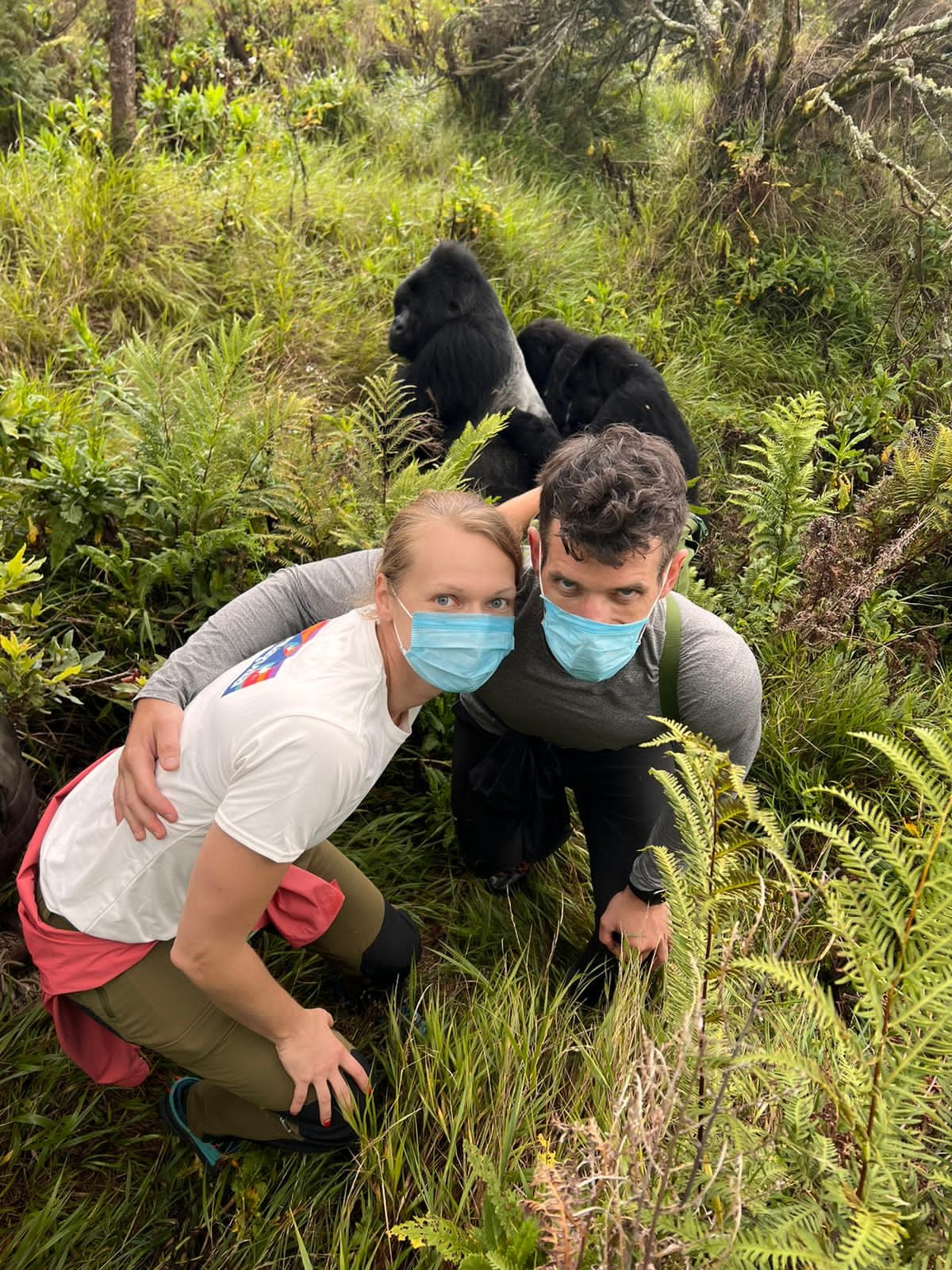
Avoid making sudden movements or loud noises near animals. Guides maintain a safe distance and understand when it’s time to move on. Respect their judgment at all times; they are there to keep you safe while enhancing your experience.
-
Keep a Safe Distance from Wildlife
Africa’s wild animals are not domesticated — they can be unpredictable. Even though some may appear calm, they react strongly if they feel threatened. Never attempt to feed, touch, or approach them.
On game drives, remain inside the vehicle. Keep arms, cameras, and belongings inside at all times. During walking safaris or treks, move quietly and slowly, allowing wildlife to feel undisturbed.
Remember: you are in their home, and safety comes from respect.
-
Stay in Your Vehicle During Game Drives
It can be tempting to step out for photos, but never leave your safari vehicle unless your guide says it’s safe. Predators like lions or leopards may be nearby, even if you don’t see them.
Vehicles act as protective barriers, and animals usually see them as non-threatening. Stepping out breaks that illusion and can provoke dangerous behavior. Your guide will stop at safe areas for stretching or viewing points when appropriate.
-
Follow Camp and Lodge Rules
Safari lodges and camps are often set within wildlife-rich areas. At night, it’s not uncommon for animals like elephants or hippos to wander nearby. Always follow the safety guidelines given during your stay.
Do not walk alone after dark — rangers or lodge staff will escort you to your tent or room. Keep your tent zipped and avoid leaving food or trash outside. Use flashlights and stay within marked paths at all times.
-
Health and Vaccination Precautions
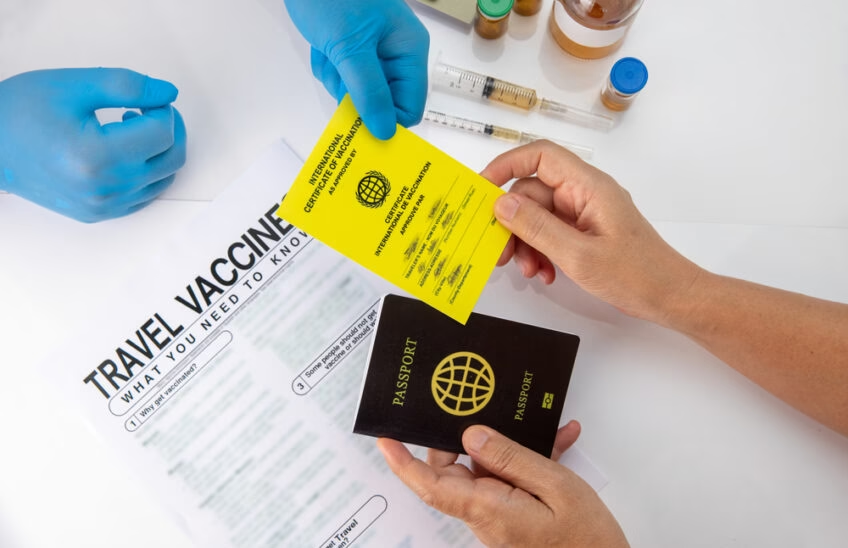
Before traveling, consult your doctor about recommended vaccinations and malaria prevention. Most safari destinations require yellow fever vaccination proof upon entry.
Carry mosquito repellent, wear long-sleeved clothing in the evenings, and sleep under mosquito nets where provided. Staying hydrated and eating well also help maintain your energy during the trip.
If you’re on medication, bring an adequate supply and store it properly.
-
Respect Local Cultures and Laws
African safaris often include visits to villages or cultural sites. Always dress modestly, ask before taking photos, and show respect for local traditions.
Never collect natural objects like animal bones, feathers, or plants — it’s illegal in most countries. Avoid purchasing products made from endangered species, as this contributes to wildlife exploitation.
Responsible travel helps protect both communities and conservation efforts.
-
Be Prepared for Weather and Terrain
Africa’s climate varies by region. Pack light, breathable clothing for daytime and warm layers for cool mornings and evenings. Sturdy, closed shoes are essential for walking safaris and hikes.
During rainy seasons, carry waterproof jackets and protect electronic gear. In desert or savannah regions, use sunscreen, sunglasses, and hats to shield from strong sun.
Listen to your guide about local conditions — they’ll help you adapt to the environment safely.
-
Keep Your Belongings Secure
While most safari destinations are safe, petty theft can occur in towns or public areas. Keep valuables like passports, money, and electronics locked in your lodge’s safe.
Avoid displaying expensive jewelry or gadgets during community visits. When on game drives, carry only what you need — such as your camera, water bottle, and binoculars.
Travel insurance covering health, theft, and cancellations provides extra peace of mind.
-
Gorilla and Chimpanzee Trekking Safety
If your safari includes gorilla or chimpanzee trekking in Uganda, Rwanda, or Congo, follow special rules:
- Maintain at least 7 meters (21 feet) distance from the primates.
- Wear masks to prevent transmitting human diseases.
- Avoid eye contact or sudden movements.
- If a gorilla approaches, stay calm and still—never run.
Rangers accompany every trek to ensure both visitor and wildlife safety.
-
Emergency Preparedness
Safari vehicles and lodges are equipped with first-aid kits and radio communication for emergencies. Guides receive professional training to handle incidents such as minor injuries or unexpected encounters.
Before your trip, provide your operator with any medical conditions or allergies. Having travel insurance that includes evacuation coverage is also highly recommended for remote areas.
-
Travel Smart and Stay Calm
The best safaris happen when you stay alert yet relaxed. Africa’s parks are well-managed and secure, and guides are highly experienced in keeping guests safe.
Trust your instincts, follow rules, and remain calm even in unexpected situations. Respect for nature and attentiveness go a long way toward ensuring an enjoyable, incident-free safari.
Conclusion – Explore Africa Safely and Confidently
Africa’s wilderness is breathtaking, raw, and alive. When approached with care and respect, safaris are not only safe but deeply transformative. With professional guides, reliable operators, and basic precautions, every traveler can experience the wild safely.
Plan your adventure with Gecko Safaris Africa, where safety and exceptional experiences come first. Visit www.visitrwandagorilla.com to inquire and book your next African safari — travel confidently, explore deeply, and discover Africa the safe way.