
10 Facts You Need to Know About the Rwandan Genocide
Rwandan Genocide facts. The Rwandan Genocide remains one of the most horrific human tragedies of the 20th century. In just 100 days, an estimated 800,000 to 1 million Tutsi and moderate Hutu were brutally murdered. The genocide left deep scars on Rwanda—but it also led to a powerful story of national healing, unity, and resilience.
Here are 10 important facts every person should know to better understand what happened—and why remembering matters.
-
The Genocide Began on April 7, 1994
The genocide started the day after Rwandan President Juvénal Habyarimana was killed when his plane was shot down on April 6, 1994. His death sparked immediate violence. Militia groups, soldiers, and government forces began targeting Tutsi civilians and moderate Hutu leaders seen as traitors.
-
It Lasted Only 100 Days
Between April and July 1994, Rwanda experienced one of the fastest and most intense genocides in history. In just 100 days, up to a million people were killed. That’s more than 10,000 people per day—many with machetes, clubs, or basic weapons.
-
It Was Pre-Planned and Organized
The genocide didn’t happen spontaneously. Hate messages against the Tutsi had been spread for years through radio broadcasts, political speeches, and school propaganda. The government trained militia groups like the Interahamwe, who carried out mass killings with the support of the military and local authorities.
-
Ordinary Citizens Were Involved
Many killers were not soldiers. Ordinary people—including neighbors, friends, and even family members—took part in the violence. Some were forced, while others joined out of fear or loyalty. This wide-scale participation made the genocide even more traumatic and complex.
-
The International Community Failed to Act
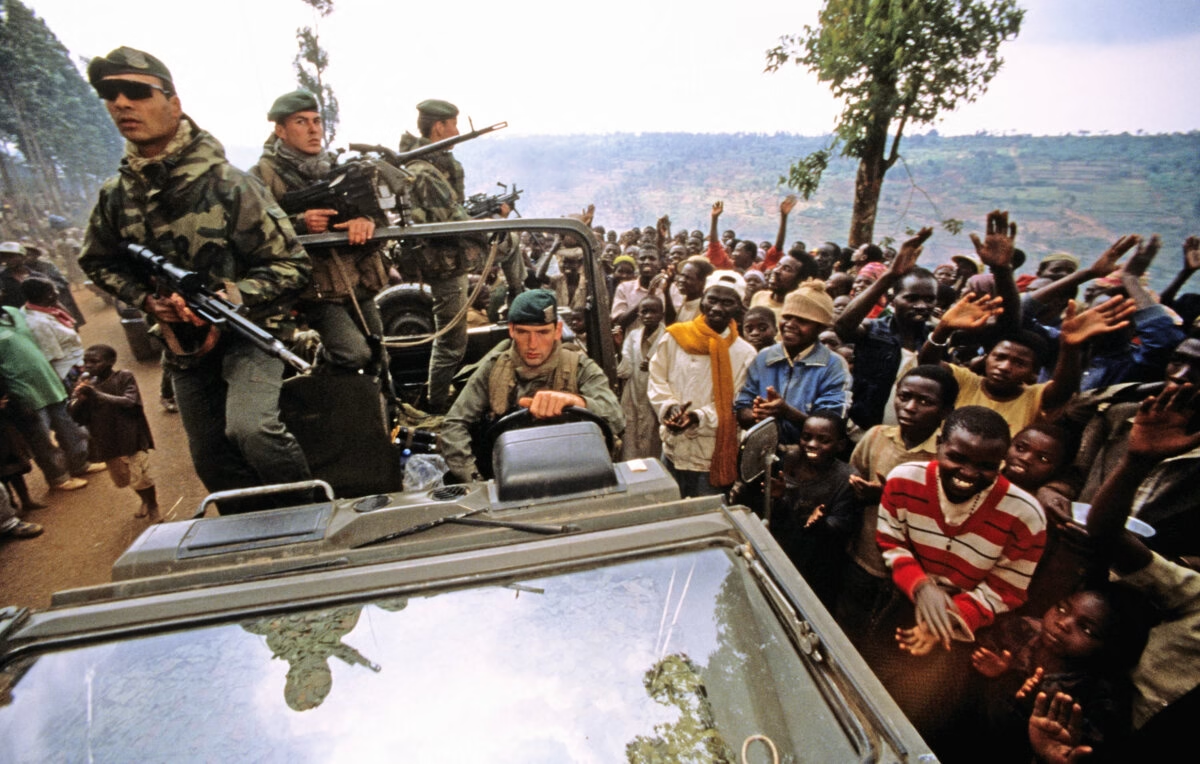
Despite clear warnings and signs, the international community largely failed Rwanda. The United Nations had peacekeepers in the country but limited their powers. Western nations, including the U.S., chose not to intervene. Genocide could have been reduced or prevented—but many governments looked away.
-
The Genocide Targeted the Tutsi, but Moderate Hutu Were Also Killed
While the genocide’s main targets were the Tutsi, thousands of moderate Hutu who opposed the killings were also murdered. These included Hutu politicians, journalists, and clergy who tried to protect their neighbors or called for peace.
-
The Rwandan Patriotic Front (RPF) Ended the Genocide
The genocide stopped when the Rwandan Patriotic Front (RPF), led by Paul Kagame, captured Kigali and took control of the country in July 1994. The RPF, made up largely of exiled Tutsi, ended the mass killings and formed a new government.
-
Gacaca Courts Helped with Justice and Healing
After the genocide, Rwanda faced the huge challenge of justice. The country created Gacaca courts, a traditional community justice system, to try lower-level perpetrators. These open-air courts helped uncover the truth, promote reconciliation, and reduce prison overcrowding.
-
Rwanda Has Rebuilt Through Unity and Reconciliation
Today, Rwanda is seen as a model of recovery. The government banned ethnic labels, promoted national unity, and focused on development. Memorials, museums, and education programs help young people understand what happened—and why it must never happen again.
-
The World Remembers Every April
Every year on April 7, Rwanda and the world mark Kwibuka—the official commemoration of the genocide. “Kwibuka” means “to remember” in Kinyarwanda. It’s a time to honor the victims, support survivors, and commit to never repeating the mistakes of the past.
Plan Your Tour
Visiting Rwanda offers a powerful chance to learn, reflect, and grow. Sites like the Kigali Genocide Memorial, Murambi, Nyamata, and Ntarama allow visitors to pay their respects and understand the impact of the genocide firsthand. These memorials are more than history—they are lessons for humanity.
Plan your safari and walk with respect through Rwanda’s path of remembrance and resilience.