
How to Interact Responsibly with Wildlife in Queen Elizabeth National Park
Queen Elizabeth National Park in Uganda is one of Africa’s richest ecosystems. Its wide savannahs, crater lakes, and dense forests host elephants, lions, hippos, leopards, and over 600 bird species. To enjoy a safe and ethical safari, you must interact with wildlife in a responsible and respectful way.
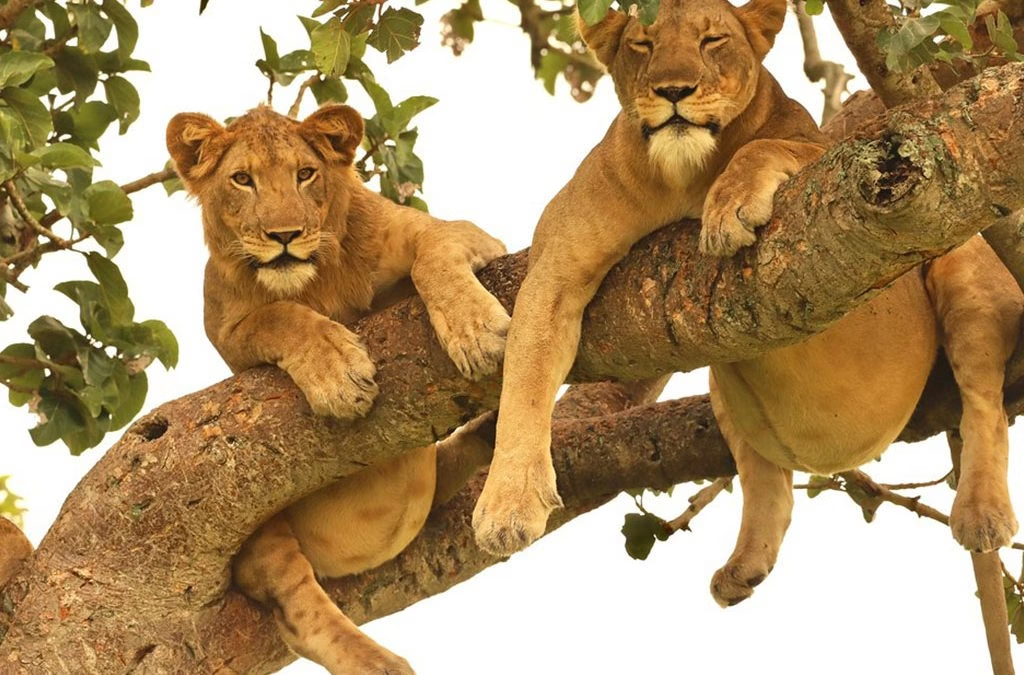
Keep a Safe Distance
Never approach wild animals, even if they appear calm. Use binoculars or a camera zoom lens to observe closely without disturbing them. Getting too close causes stress and may trigger aggressive behavior.
Stay Quiet and Calm
Speak softly. Sudden noise or movements can scare animals or provoke a defensive reaction. Turn off your car engine during game viewing. Let the sounds of nature take over.
Follow Park Rules and Ranger Instructions
Always listen to your guide or ranger. They know animal behavior and safety protocols. Stick to designated tracks and paths. Off-roading may damage habitats and disrupt animal routines.
Don’t Feed Wildlife
Feeding wild animals changes their natural behavior. It makes them dependent on humans and can make them aggressive. Human food may also cause serious health issues in animals.
Respect Animal Space and Time
Avoid blocking animal paths or staying too long at a sighting. Allow animals to move freely. Give special care around mothers with young ones—they may become very protective.
Use Eco-Friendly Gear
Carry reusable water bottles, biodegradable wipes, and avoid single-use plastics. Keep your trash with you until you find a proper disposal point. Litter harms both animals and the ecosystem.
Turn Off Flash Photography
Flashes can startle animals or disturb nocturnal species. Use natural light where possible. Be patient to capture the right moment without causing distress.
Avoid Night Walks Without a Guide
Some animals become more active at night. A guided night drive is safe and informative. Going alone increases your risk and may interfere with nocturnal wildlife behavior.
Support Conservation-Friendly Tourism
Book with ethical tour operators who support conservation and local communities. Your choices help protect the park’s fragile ecosystem and wildlife.
Don’t Touch or Handle Wildlife
Even small animals should not be touched. They may carry diseases or get stressed. Interacting physically with wildlife violates park rules and can harm both animals and humans.
Final Word: Plan Your Safari
Queen Elizabeth National Park offers an unforgettable wildlife experience. Interacting responsibly ensures your visit leaves no negative impact. Respect nature, follow the rules, and help protect this natural treasure for generations to come.