Rarest Animals in the World (Critically Endangered): Top 10 Species on the Brink
Biodiversity is disappearing faster than ever, with many species teetering on the edge of extinction. Critically endangered animals are those facing an extremely high risk of extinction in the wild, according to the International Union for Conservation of Nature (IUCN). In this post, we highlight the top 10 rarest animals in the world, based on their wild population size, visibility, and critical conservation status.
-
Amur Leopard (Panthera pardus orientalis)
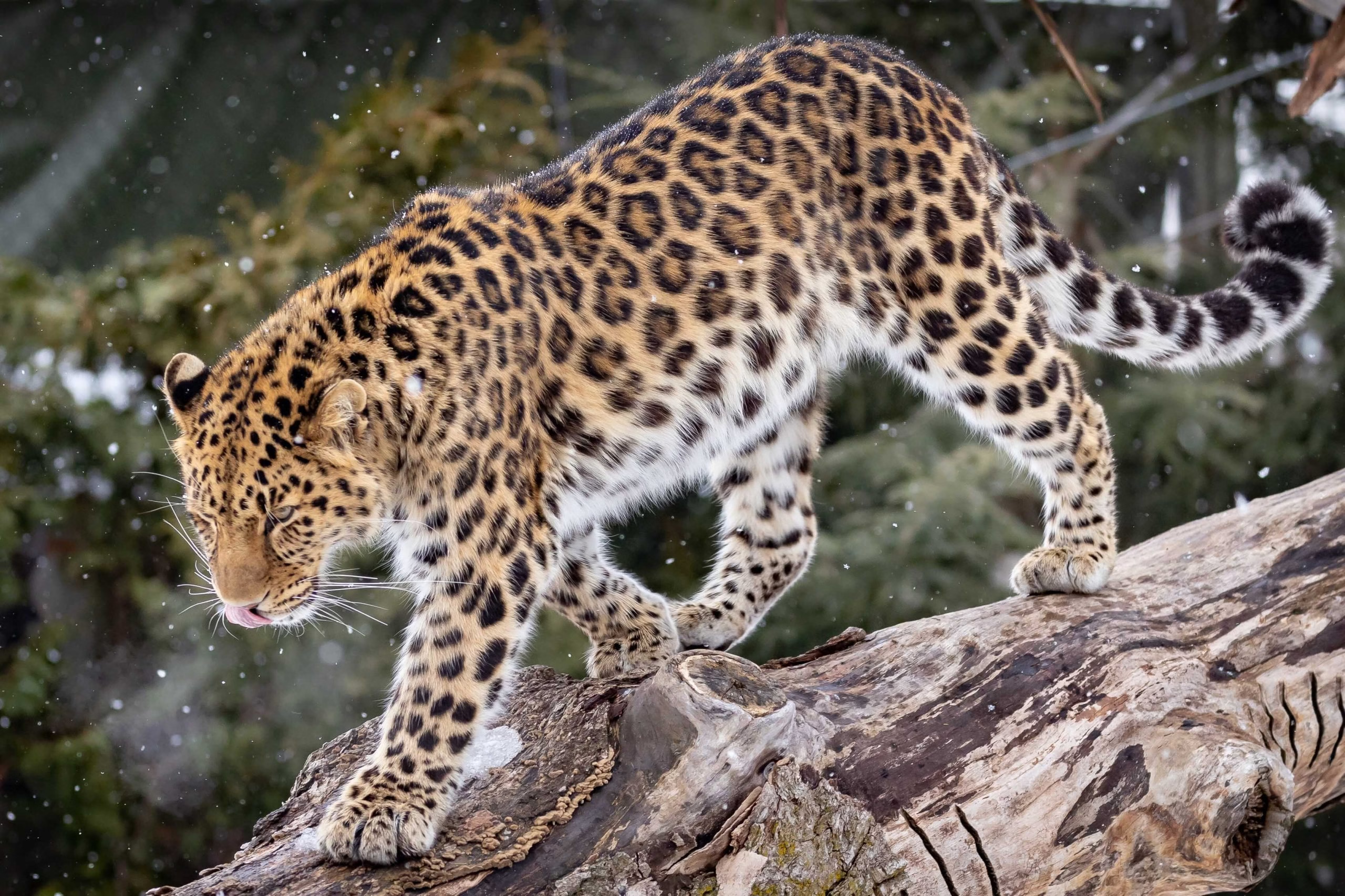
With fewer than 120 individuals left in the wild, the Amur leopard is the rarest big cat in the world. Native to the Russian Far East and northeastern China, it faces threats from habitat loss, poaching, and inbreeding. Its thick coat allows it to survive harsh winters, but its small population makes recovery difficult.
-
Javan Rhino (Rhinoceros sondaicus)
Once found throughout Southeast Asia, only about 80 Javan rhinos remain today—confined to Ujung Kulon National Park in Indonesia. They are incredibly elusive and shy, and their swampy habitat makes conservation efforts logistically challenging.
-
Vaquita (Phocoena sinus)
The world’s rarest marine mammal, the vaquita is a small porpoise found only in the northern Gulf of California, Mexico. Fewer than 10 individuals are estimated to survive due to entanglement in illegal fishing nets used for the totoaba fish trade.
-
Northern Bald Ibis (Geronticus eremita)
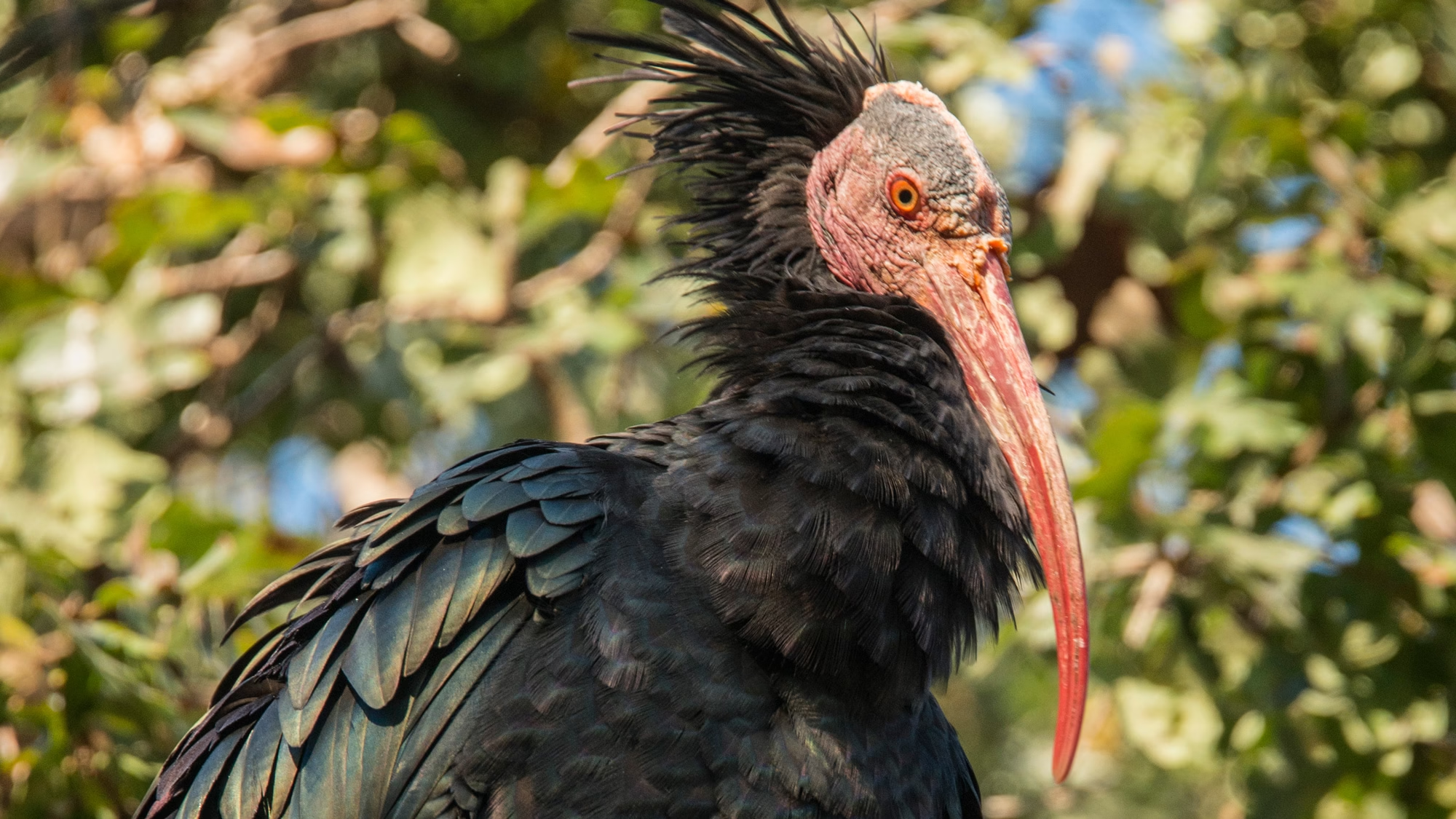
This strange-looking bird with a bald head and long, curved bill has vanished from much of its original range. Fewer than 1,000 wild individuals exist today, mostly in Morocco and parts of the Middle East. Conservation projects are slowly reintroducing them to Europe.
-
Saola (Pseudoryx nghetinhensis)
Often called the “Asian unicorn,” the saola was only discovered in 1992. Native to the Annamite Mountains on the Laos-Vietnam border, this antelope-like species has an unknown population size—believed to be fewer than 100. It has never been seen in the wild by scientists, making it one of the most mysterious endangered animals.
-
Sumatran Orangutan (Pongo abelii)
Critically endangered due to deforestation, palm oil plantations, and illegal pet trade, fewer than 14,000 individuals remain. Sumatran orangutans are highly intelligent and emotional apes who face extinction unless habitat protection improves rapidly.
-
Axolotl (Ambystoma mexicanum)
This Mexican amphibian, often called the “walking fish,” lives in canals and lakes around Mexico City. Pollution and urban expansion have decimated its habitat, leaving wild axolotl populations under 1,000 individuals.
-
Cross River Gorilla (Gorilla gorilla diehli)
With fewer than 300 individuals surviving, this subspecies of western gorilla is found in a small, rugged region along the Nigeria-Cameroon border. It’s one of the most endangered great apes, largely due to habitat fragmentation and poaching.
-
Kakapo (Strigops habroptilus)
This flightless, nocturnal parrot from New Zealand was once widespread but is now one of the world’s rarest birds. Only around 250 individuals are alive today. Intensive conservation—including predator-free islands and hand-rearing—has prevented extinction.
-
Yangtze Giant Softshell Turtle (Rafetus swinhoei)
One of the rarest reptiles on Earth, with only three known individuals—two males and one female in captivity. This freshwater turtle is native to China and Vietnam, but habitat destruction and pollution have pushed it to the brink.
Plan Your Wildlife Experience: Ethical Encounters with Rare Species
These ten animals are not just rare—they’re symbols of fragile ecosystems and urgent conservation efforts. Saving them requires global cooperation, habitat protection, and responsible tourism. The next time you explore the natural world, remember that every sighting, donation, or shared story helps bring attention to species fighting to survive. While many of these animals are nearly impossible to see in the wild, some can be observed through ethical, conservation-focused travel or visits to protected reserves:
- Sumatran Orangutans: Gunung Leuser National Park (Indonesia) with licensed eco-guides
- Cross River Gorillas: Community-led trekking in Nigeria (limited and highly regulated)
- Northern Bald Ibis: Souss-Massa National Park (Morocco)
- Amur Leopard: Land of the Leopard National Park (Russia)—strictly protected, rare sightings
- Kakapo: Viewing by permit only in New Zealand through Department of Conservation programs
Always prioritize wildlife conservation over tourism access. Supporting NGOs, avoiding illegal wildlife products, and promoting sustainable travel are small actions with big impact.