
Photojournalism in Conservation: Raising Awareness Through Images in Uganda
Photojournalism Uganda. Uganda’s landscapes are rich, diverse, and alive with endangered species and unique ecosystems. From the misty mountains of Bwindi to the wetlands of Mabamba, the country offers a powerful canvas for storytelling. But while words can explain the importance of conservation, images can ignite action. That’s where photojournalism steps in.
Photojournalism in conservation uses visual storytelling to highlight both the beauty of nature and the threats it faces. In Uganda, this approach plays a growing role in wildlife protection, community engagement, and international awareness.
Why Photojournalism Matters in Uganda
Uganda is home to over half of the world’s mountain gorillas, hundreds of bird species, and numerous endangered animals. Yet, challenges such as poaching, habitat loss, climate change, and human-wildlife conflict continue to threaten these treasures.
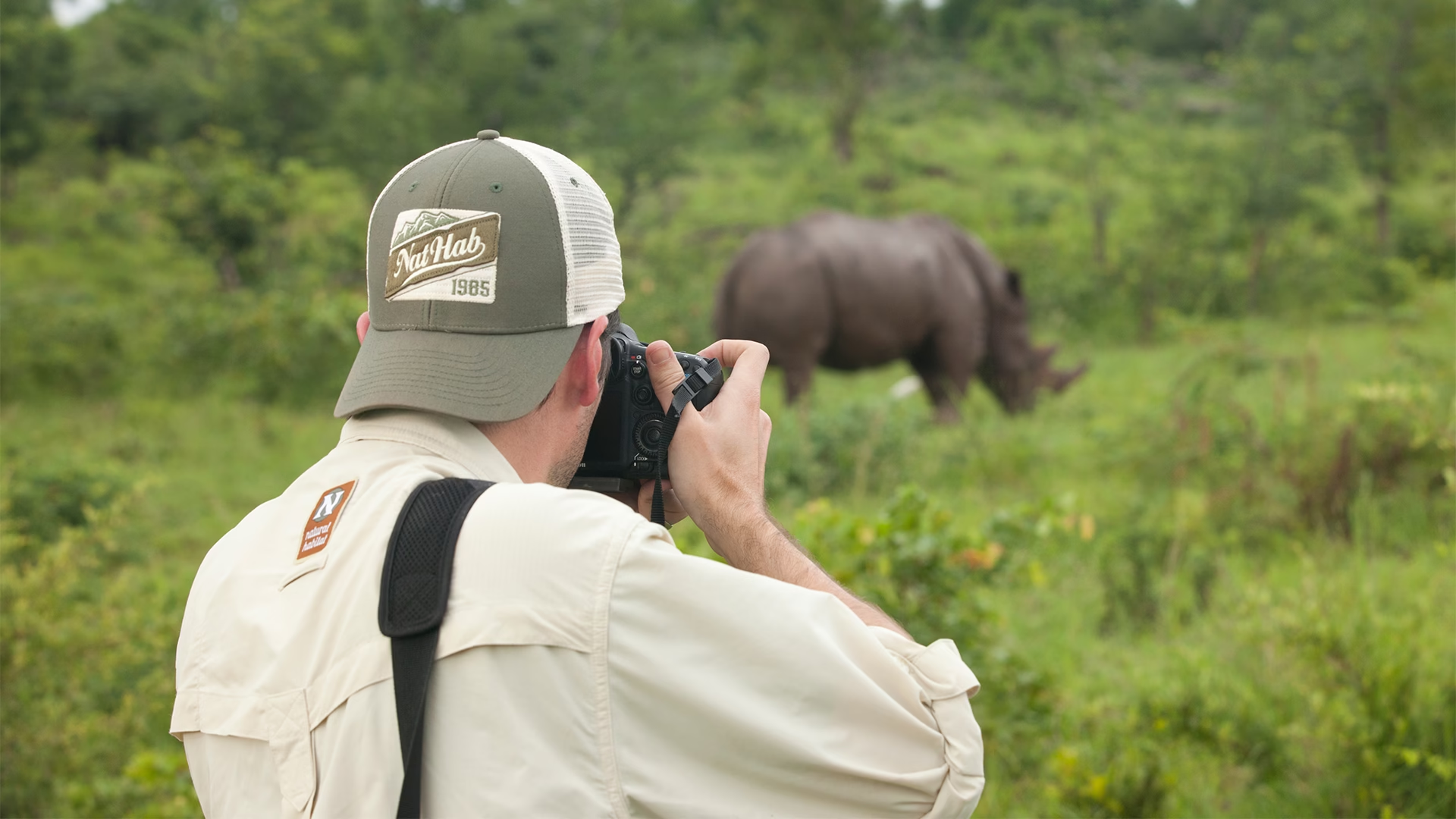
Photos reveal what statistics cannot. A single image of a wounded rhino or a burnt forest can evoke more emotion than an entire report. Visual storytelling captures attention. It makes the problem real. In Uganda, conservation photographers and journalists are using their lenses to raise awareness — and rally support.
Capturing the Reality on the Ground
Conservation photojournalists in Uganda don’t just take beautiful wildlife pictures. They document real issues. These include illegal logging in forest reserves, pollution along Lake Victoria, or the drying rivers affecting communities and animals alike.
Many travel deep into remote areas to capture life behind conservation efforts. They photograph rangers on patrol, scientists tracking gorillas, and communities finding sustainable ways to live near protected areas.
Their goal is not just to inspire, but to inform. These images form a visual archive of what is at stake — and what is possible with action.
Empowering Local Visual Voices
While international photographers have long contributed to Uganda’s conservation narrative, local Ugandans are now leading the way. Young photographers from Kampala, Gulu, or Fort Portal are picking up cameras and telling their own stories.
This local ownership of narrative matters. It adds depth, truth, and cultural understanding to every frame. Groups such as the Uganda Press Photo Award and Nature Uganda are supporting these talents through training, exhibitions, and field assignments.
By supporting these creators, Uganda builds a strong, authentic voice for conservation that resonates both locally and globally.
Influencing Policy and Funding
Photojournalism doesn’t just raise awareness among the public. It also influences decision-makers. Conservation organizations and government agencies often use powerful visuals to lobby for better protection policies or funding.
Images of disappearing forests or displaced wildlife help secure grants, support research, and influence law enforcement. Photos used in environmental campaigns have helped ban plastic bags, tighten anti-poaching laws, and push for clean water access in key ecosystems.
In Uganda, many of these changes begin with a photograph that captures a crisis — and refuses to let the world look away.
Building Global Connections
Thanks to social media and online platforms, a photo taken in Uganda can be viewed in New York, Tokyo, or Cape Town within seconds. This global reach turns local conservation efforts into international conversations.
Tourists who see images of gorillas in Bwindi or elephants in Queen Elizabeth National Park often become donors, volunteers, or advocates. Conservation photojournalism helps bridge the gap between fieldwork and global impact.
Organizations such as National Geographic, World Wildlife Fund (WWF), and African Wildlife Foundation regularly feature Ugandan stories through photo essays and short films — putting Uganda’s conservation efforts in the global spotlight.
Ethical Storytelling Matters
Responsible photojournalism means respecting people, wildlife, and truth. In Uganda, this means gaining consent when photographing local communities, never disturbing wildlife for the sake of a shot, and always telling an accurate story.
Images must avoid creating stereotypes or oversimplifying complex issues. Conservation is not just about animals. It’s about people too — especially those living near protected areas.
Photographers must capture this relationship honestly. When done right, their images not only educate but also empower the very communities they photograph.
Supporting Photojournalism for Change
You don’t need to be a professional to contribute. Even travelers with smartphones can document what they see and share their stories with care. Tourists who visit Uganda can support ethical photographers by attending exhibitions, buying prints, or following and sharing their work.
Local NGOs, tour companies, and conservation agencies often hire photographers to tell their stories. Supporting these projects ensures that the visuals continue to drive action and accountability.
Plan Your Safari
Uganda is a place of natural wonder, and with every safari, you become part of its conservation story. Whether you’re trekking gorillas, birdwatching in the wetlands, or cruising along the Nile, your lens can capture more than just memories. It can help protect what you see.
By choosing eco-conscious lodges, supporting local photojournalists, and sharing your journey with purpose, you become a voice for nature. Plan your safari not only to explore but to advocate. Let your images tell stories that matter.