
Packing List for Queen Elizabeth National Park
Packing List for Queen Elizabeth National Park. A safari to Queen Elizabeth National Park in Uganda is an unforgettable experience, offering encounters with lions, elephants, hippos, chimpanzees, and over 600 species of birds. To make the most of your adventure, packing the right items is essential. The park’s climate varies from hot savannahs to cooler forested areas, so preparation ensures comfort, safety, and a smooth trip.
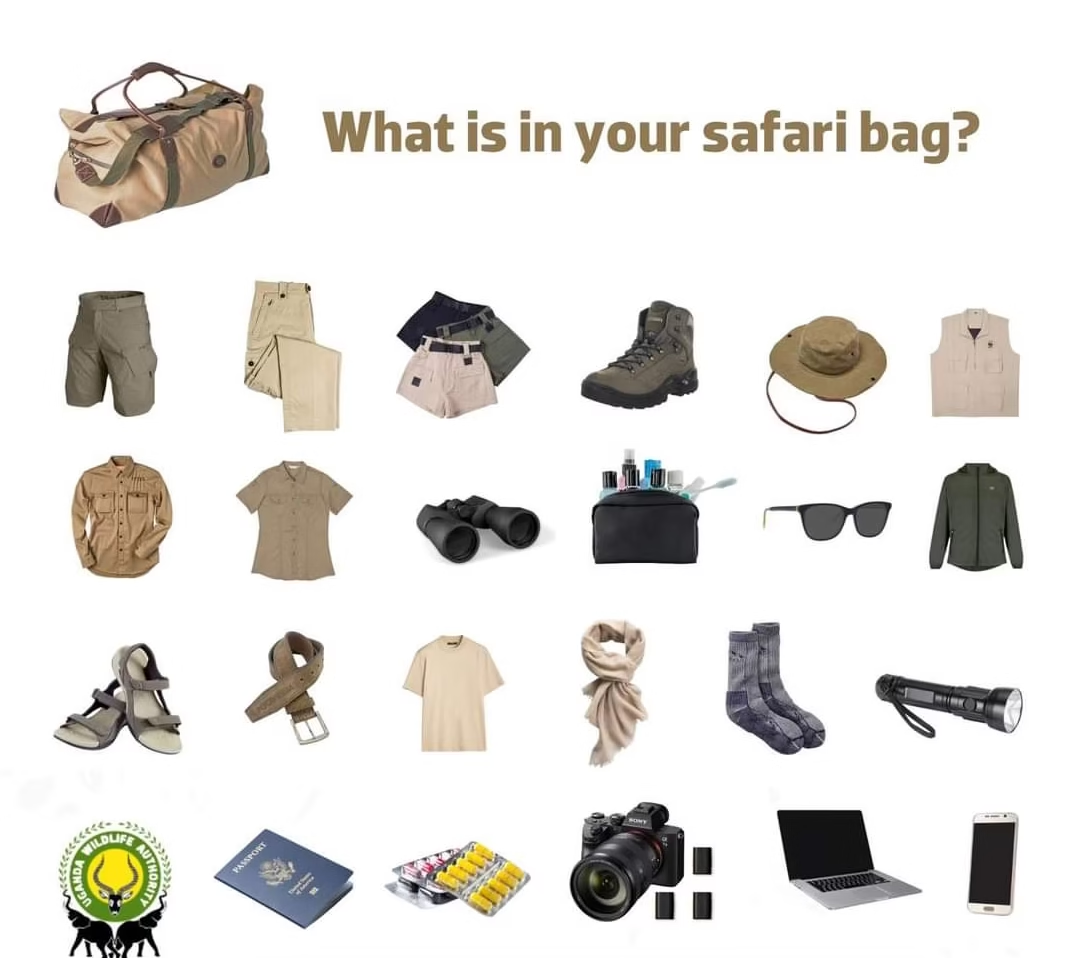
Clothing Essentials
- Lightweight Safari Clothing – Neutral-colored shirts, trousers, and shorts help you blend into the environment and stay comfortable in warm weather.
- Long-Sleeved Shirts and Pants – Useful for protection against insects and during evening game drives.
- Warm Jacket or Sweater – Early mornings and evenings can be chilly, especially around Kyambura Gorge or Maramagambo Forest.
- Rain Jacket or Poncho – The park lies within Uganda’s equatorial belt, so showers can happen even outside the rainy seasons.
- Comfortable Walking Shoes – Ideal for nature walks, chimpanzee tracking, and crater lake explorations.
- Sandals or Flip-Flops – For relaxing at the lodge after game drives.
- Hat and Sunglasses – Protection against the strong African sun is a must.
Safari Gear
- Binoculars – Essential for birdwatching and spotting distant wildlife.
- Camera with Extra Batteries/Memory Cards – To capture lions climbing trees, elephants grazing, and spectacular landscapes.
- Daypack – A small bag for carrying water, snacks, and personal items during game drives or walks.
- Reusable Water Bottle – Staying hydrated is important in the heat.
- Flashlight/Headlamp – Useful for evenings in camps and lodges.
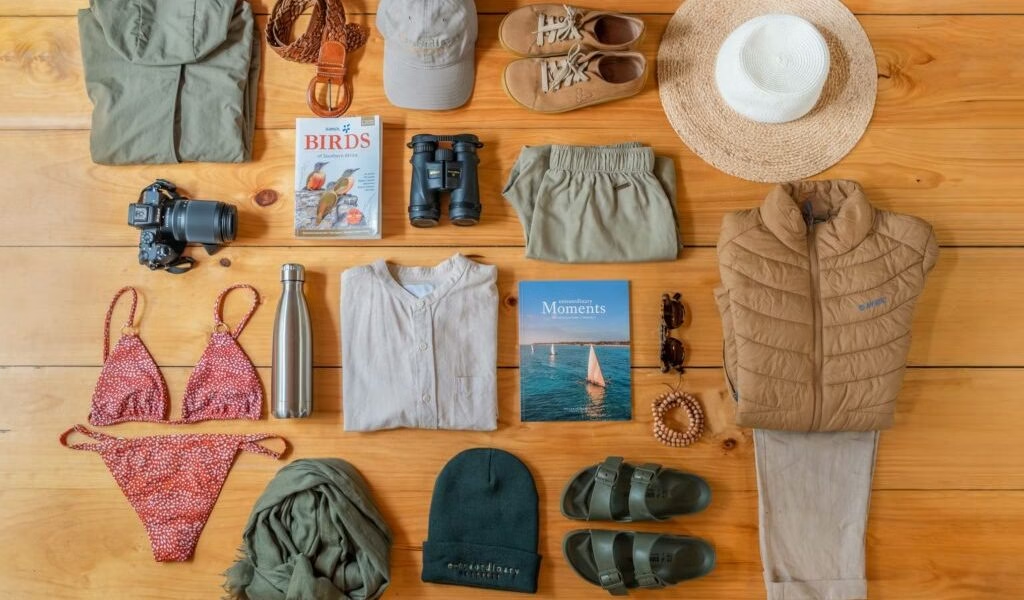
Health and Safety Items
- Insect Repellent – To protect against mosquitoes and tsetse flies.
- Sunscreen and Lip Balm – High SPF recommended for sun protection.
- Personal Medication – Include antimalarials, painkillers, and any prescribed medicines.
- First Aid Kit – Band-aids, antiseptic cream, and rehydration salts are useful for minor needs.
- Hand Sanitizer and Wet Wipes – Convenient during game drives and in remote areas.
Documents and Money
- Valid Passport and Visa – Required for international travelers.
- Gorilla or Chimpanzee Permits – If your trip includes primate tracking in nearby parks.
- Travel Insurance – Strongly recommended for safaris.
- Cash (USD or UGX) – For tipping guides, buying souvenirs, or paying in areas with limited card services.
Optional Extras
- Guidebook or Field Guide – Enhances the experience by helping identify birds, mammals, and plants.
- Notebook and Pen – For recording observations during your safari.
- Travel Pillow and Eye Mask – Handy for long drives between parks.
- Snacks – Energy bars or nuts for long days on safari.
Final Tips
Pack light but smart. Most lodges offer laundry services, so you don’t need to carry too many clothes. Soft duffel bags are better than hard suitcases since safari vehicles often have limited luggage space. Remember that Queen Elizabeth National Park is a malaria area, so insect protection and preventive medication are crucial.
With the right packing, your safari to Queen Elizabeth National Park will be comfortable, safe, and unforgettable.