
Naming Chimpanzees in Uganda.
Chimpanzee naming Uganda. In Uganda, chimpanzees are more than wildlife. They are individuals—with names, families, and personalities. Naming chimpanzees plays a key role in tourism, conservation, and storytelling. It helps visitors form deeper connections while supporting efforts to protect these intelligent primates.
Why Name Chimpanzees?
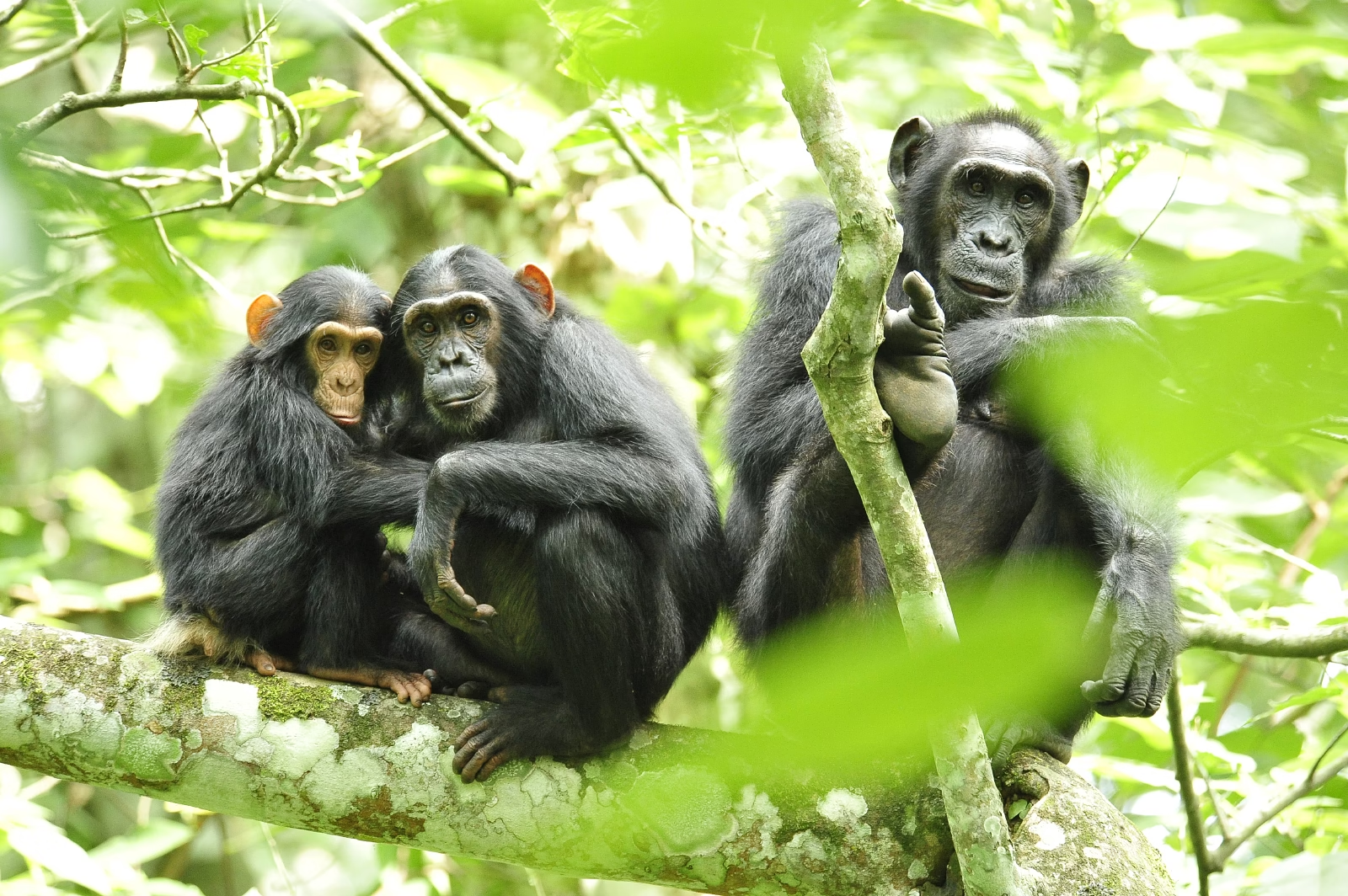
Naming helps distinguish individual chimps during trekking and research. It makes it easier for guides, researchers, and tourists to identify specific animals. When tourists hear names like Kazinga, Murefu, or Pesa, they relate to the animals on a personal level.
This emotional bond leads to stronger conservation awareness. Tourists who know and remember chimp names are more likely to donate, advocate, and return.
How Chimpanzees Are Named in Uganda
Chimpanzees are typically named after:
- Physical features (e.g., Murefu meaning “tall”)
- Behavior traits (e.g., Kijana meaning “young” or “energetic”)
- Places or cultural references (e.g., Kazinga, named after the Kazinga Channel)
Names come during or after habituation—the process of getting wild chimpanzees used to human presence. Habituation takes up to two years. Once researchers observe individual personalities and group dynamics, they assign names.
Local communities, researchers, and conservationists often take part in the naming process. This inclusion strengthens their connection to the wildlife.
Naming Ceremonies and Tourism
In some parks, lodges and tour operators organize chimpanzee naming ceremonies. These events celebrate new births or newly habituated individuals. They include cultural dances, storytelling, and guided chimp treks.
A good example is the Fig Tree Camp in Kyambura Gorge, where visitors have attended naming events as part of their safari. These ceremonies not only educate tourists but also promote conservation-based tourism.
Best Places to See Named Chimpanzees in Uganda
-
Kibale National Park
Known as the “Primate Capital of the World”, Kibale is Uganda’s leading chimpanzee trekking destination. The park hosts long-term habituated chimp groups. Visitors often hear guides refer to individuals by name during treks. Some chimps have been tracked for over 20 years.
-
Budongo Forest
Part of Murchison Falls National Park, Budongo has a strong research presence. The Jane Goodall Institute helps monitor named individuals. Here, you can join the Chimpanzee Habituation Experience (CHEX) and learn about their behavior, group structure, and unique identities.
-
Kyambura Gorge (Queen Elizabeth NP)
This “Valley of Apes” offers short but rewarding chimp treks. Guides here often know chimps by name and share personal stories about them. The steep gorge setting creates an intimate atmosphere.
-
Ngamba Island Chimpanzee Sanctuary
Located on Lake Victoria, Ngamba Island is home to over 50 rescued chimps. Each has a name, a rescue story, and a unique personality. Visitors learn about them during day trips or overnight stays. The sanctuary plays a major role in chimp education and welfare.
How Naming Helps Conservation
Naming chimpanzees isn’t just emotional—it’s strategic. It helps researchers record health, movement, births, and group changes. Names make field notes more accurate and easier to share. For example, “Kazinga” missing from the group is clearer than saying “adult male #4”.
From a tourism perspective, named chimps become ambassadors. Visitors are more likely to support a sanctuary or park when they’ve “met” individuals like Asante or Winnie.
Community Engagement
Local communities near chimpanzee habitats take part in naming and monitoring. Many lodges employ community members as trackers or guides. Others partner with schools to teach children about chimpanzee conservation.
Naming ceremonies and storytelling build pride and ownership. When a village helps name a chimp, they’re more likely to protect it—and its forest.
Strengthening the Human–Chimp Bond
Chimpanzees in Uganda have names because they matter. Names turn them from anonymous creatures into known individuals. They make tourism more meaningful. They make conservation more personal.
By joining a chimp trek, attending a naming ceremony, or supporting a sanctuary, you become part of the story. You help ensure that each chimp—by name—has a future in the wild.