Mundari Cattle Camps: A Unique Cultural Experience in South Sudan
The Mundari people live along the White Nile in South Sudan. They are pastoralists who base their lifestyle around cattle. Their cattle camps are more than just homes—they are the heart of their culture.
What Are Mundari Cattle Camps?
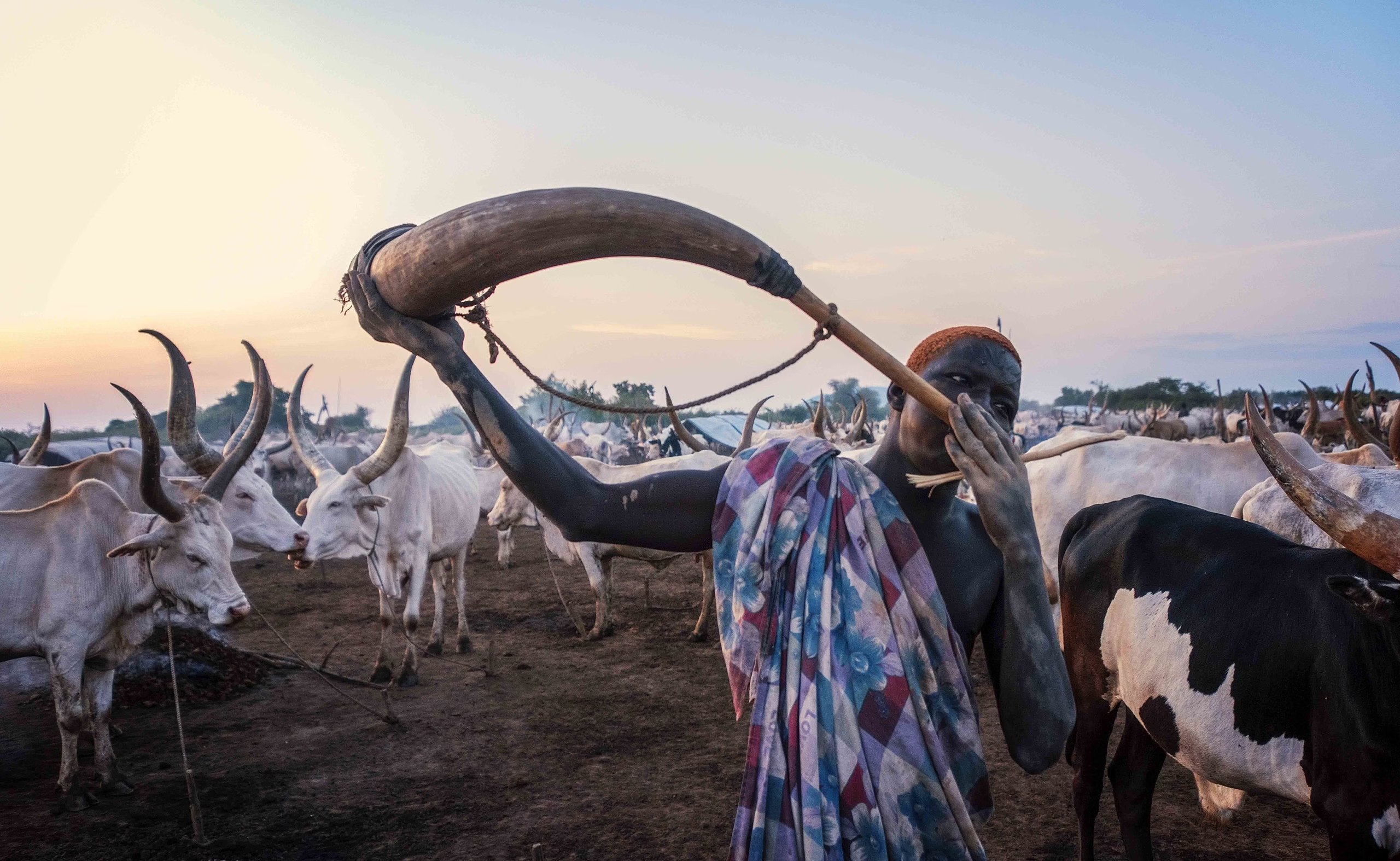
Mundari cattle camps are open, circular enclosures made from thorny acacia branches. These thorn fences protect their prized cattle from predators and rustlers. Inside, families live in small huts made of mud and grass.
The camps often sit on river islands or floodplains. This location helps keep cattle healthy and safe during seasonal floods.
The Role of Cattle
Cattle are everything to the Mundari. They symbolize wealth, status, and social bonds. Each person’s cattle hold cultural importance and serve as currency for marriage and trade.
The Mundari herd cows have distinctive white or black coats, often decorated with patterns of ash or mud.
Daily Life in the Camps
Mundari men spend most of their day tending to cattle. They milk cows twice daily and use ashes to keep flies and insects away. Ash also protects cattle skin during the hot dry season.
Boys and men sleep close to the cattle at night. They believe this guards the herd from lions and thieves.
Women manage the camp, build huts, and prepare food. They also paint their faces with ochre and charcoal for ceremonies.
Unique Traditions and Practices
- Cattle bathing: Mundari people regularly wash their cattle in the Nile or nearby water. This ritual cleans the animals and strengthens the bond between herder and herd.
- Ash coating: Covering cattle with ash helps control pests and marks ownership.
- Cattle camps as social hubs: Camps are places for storytelling, music, and rituals that preserve Mundari identity.
Visiting Mundari Cattle Camps
Travelers can visit these camps to witness an authentic pastoral culture. Guided visits are recommended for respectful interaction. Visitors learn about Mundari life, their deep connection to cattle, and the challenges they face.
Plan Your South Sudan Cultural Tour
Including Mundari cattle camps in your South Sudan itinerary enriches your understanding of local traditions. These visits offer rare glimpses into a lifestyle shaped by nature, cattle, and centuries of custom.