
17 Mountain Bongos Are Repatriated from the US to Kenya.
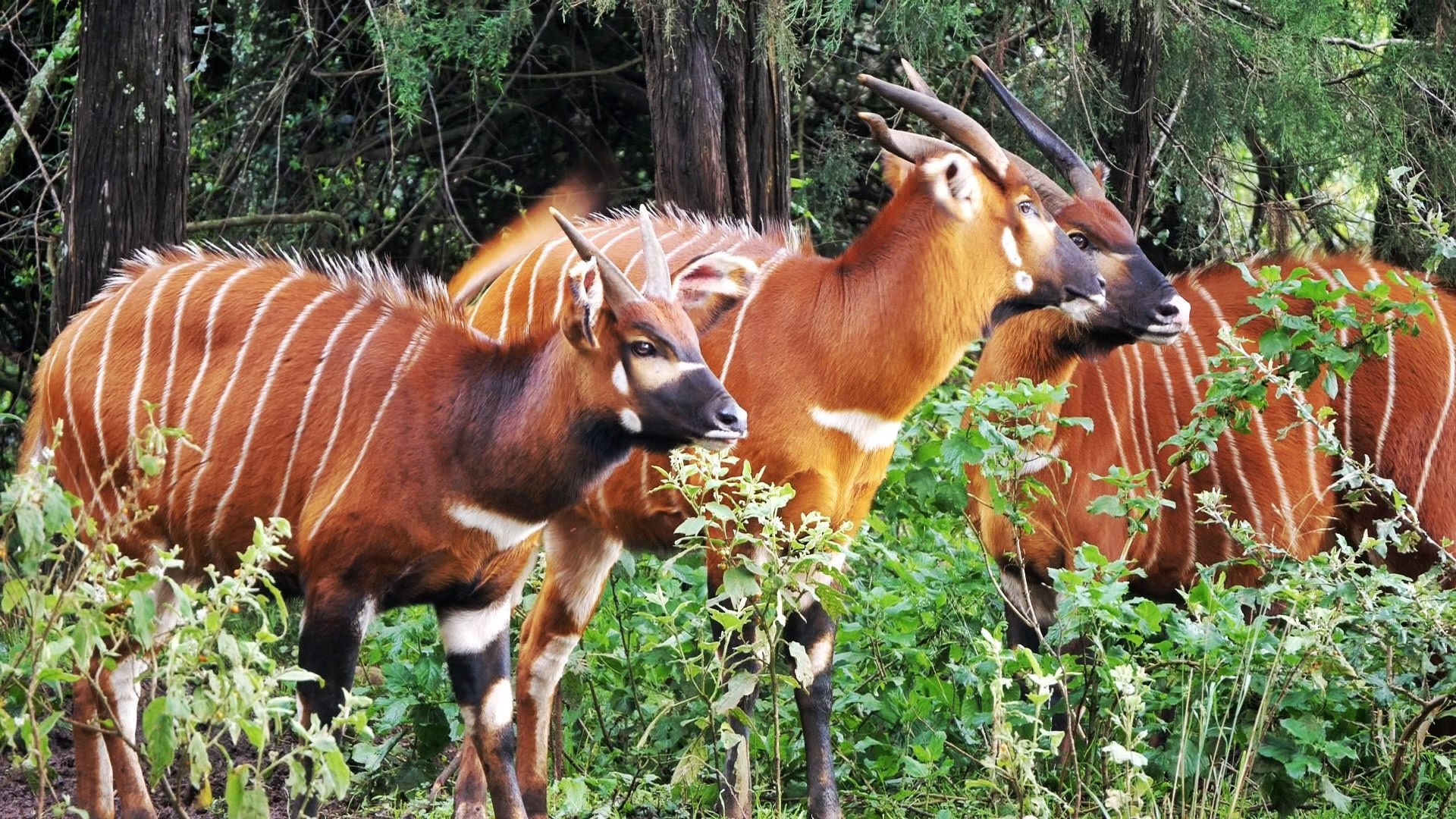
Mountain bongo repatriation. In a major win for wildlife conservation, 17 endangered mountain bongos have returned home to Kenya from the United States. This bold move helps revive a species once nearly extinct in the wild.
The mountain bongo (Tragelaphus eurycerus isaaci) is one of Africa’s rarest large forest antelopes. It has suffered from habitat loss, poaching, and disease. Now, conservationists celebrate their return to the foothills of Mount Kenya. The focus is on breeding and preparing them for reintroduction into the wild.
A Victory for Conservation
Kenya Wildlife Service (KWS), Mount Kenya Wildlife Conservancy (MKWC), and several U.S.-based partners led the repatriation of the bongos. These partners include zoos and the Association of Zoos and Aquariums (AZA).
The mountain bongos lived in secure U.S. breeding facilities for years. They helped preserve genetic diversity while experts planned their return.
The animals traveled in specially designed crates and received expert care during transit. They arrived at the Mawingu Mountain Bongo Sanctuary near Mount Kenya to a warm welcome. This marks the first large-scale return of the species to Africa in decades.
Why the Mountain Bongo Matters
The mountain bongo is not just another beautiful antelope. It’s a symbol of East African biodiversity and a keystone species for Kenya’s mountain forests. Easily recognized by its chestnut coat and white vertical stripes, the mountain bongo is critically endangered, with fewer than 100 individuals left in the wild.
This species plays an essential role in forest regeneration and ecological balance. Its survival is vital to the health of Kenya’s highland ecosystems.
A Species on the Brink
The mountain bongo once thrived in the misty forests of Mount Kenya, the Aberdare Range, and Mau Forest. However, illegal hunting, loss of habitat from logging and agriculture, and the spread of disease drove populations into steep decline.
By the early 2000s, mountain bongos had vanished from most of their native range, with a few scattered individuals remaining under threat. Zoos and breeding programs across the U.S., Europe, and select African reserves largely sustained the global population at that time
A Hopeful Return
With careful genetic planning and health assessments, conservationists selected the 17 bongos for the journey home. They were moved into the sanctuary’s secure, forested enclosures, where they will acclimatize to Kenya’s environment. The next step is a structured breeding and rewilding program, which aims to release a healthy population back into Mount Kenya National Park in the coming years.
The sanctuary provides constant monitoring, natural forage, and veterinary care to ensure a smooth transition for these animals. Already, signs of natural behavior, such as foraging and social interaction, are giving hope to the conservation team.
Community Involvement is Key
Local communities around Mount Kenya are critical partners in this conservation success. Programs that provide education, eco-tourism jobs, and conservation incentives ensure that people living near bongo habitats see value in protecting wildlife.
By involving schools, local councils, and youth groups, the project fosters community pride in Kenya’s natural heritage. The repatriation is not only about saving a species—but also about building a future where humans and wildlife thrive together.
What This Means for Africa’s Conservation Efforts
The return of the bongos is a shining example of successful international collaboration in wildlife conservation. It proves that long-term, science-driven, and inclusive efforts can reverse extinction trends. The model used here—captive breeding abroad, followed by strategic rewilding—is already drawing attention for other endangered species.
Kenya now leads with an inspiring example of bringing species back home and restoring ecosystems that were once considered lost.
Plan Your Tour
You can visit the Mount Kenya Wildlife Conservancy, where you’ll witness history in the making. Meet conservationists, learn about the rewilding process, and possibly glimpse the majestic bongos in their sanctuary. It’s a journey that goes beyond tourism—it’s a chance to connect with the heart of African conservation.
Plan your safari and be part of Kenya’s living conservation story.