Conservation Boost as Kenya Government Rolls Out an Ultra-modern Rhino Tracking Platform
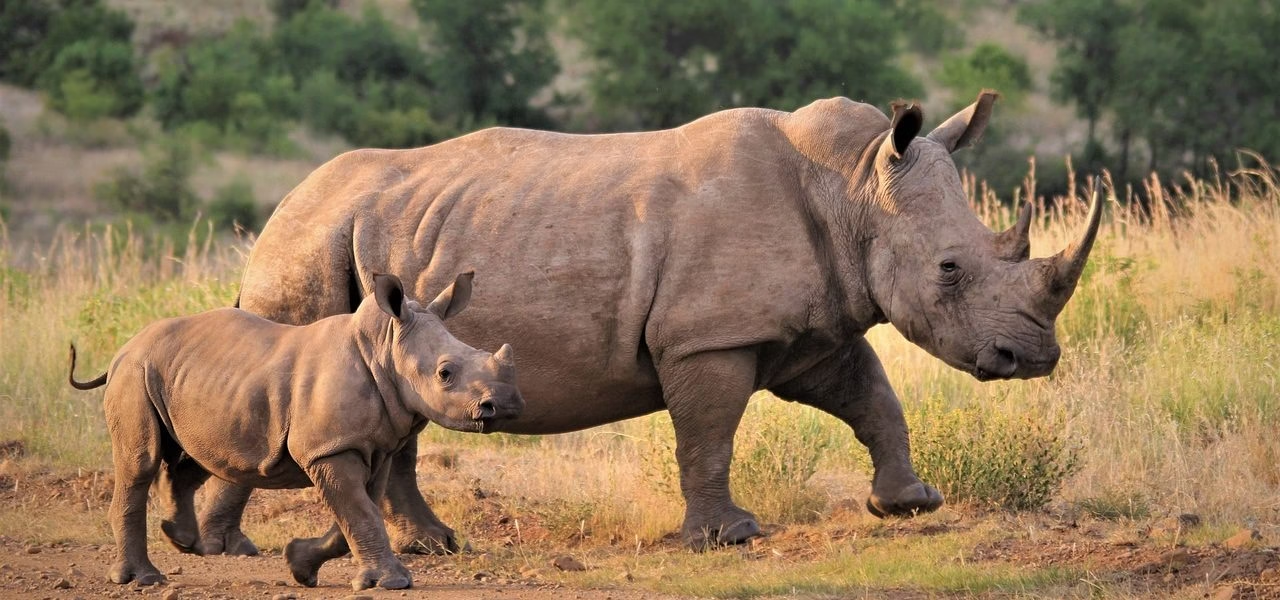
Kenya rhino tracking. Kenya has taken a bold and innovative step in wildlife protection by launching an ultra-modern rhino tracking platform. This state-of-the-art system marks a major milestone in the country’s ongoing efforts to protect its iconic but endangered rhino populations.
With poaching and habitat loss still posing serious threats to black and white rhinos, the Kenyan government is turning to advanced technology to enhance real-time monitoring, ensure better security, and improve long-term conservation planning.
A New Era in Wildlife Protection
Launched under the leadership of the Kenya Wildlife Service (KWS) in collaboration with technology partners and conservation NGOs, the new platform uses GPS satellite collars, drone surveillance, real-time sensors, and AI-powered data analytics. The platform is set to transform how conservationists monitor and protect rhinos in the wild.
This move aligns with Kenya’s national rhino strategy and supports international efforts to save endangered species using smart conservation solutions.
How the Platform Works
The ultra-modern rhino tracking system combines several tools to provide 24/7 monitoring:
- GPS-enabled collars are fitted on selected rhinos to track their location in real-time.
- Ground sensors detect unusual movements or breaches in protected areas.
- Drones and aerial surveillance provide a bird’s-eye view of vast conservancies.
- AI and data analytics help identify patterns, predict threats, and flag potential poaching activity before it happens.
The centralized command center receives live data, which helps park rangers and anti-poaching teams respond faster and more effectively.
Why This Is a Game-Changer
In recent years, rhino conservation has faced new challenges. Despite a drop in poaching incidents, Kenya remains a target for illegal wildlife trafficking due to its rhino populations and strategic location.
This tracking system allows conservationists to:
- Monitor rhino health and movements
- Detect suspicious behavior around rhino habitats
- Map out safe breeding zones
- Collect valuable data to guide conservation policies
With this innovation, Kenya becomes one of the first African nations to integrate AI and real-time tracking at this scale for rhino conservation.
Collaboration and Funding
This platform is the result of strong partnerships between the Kenyan government, international conservation groups, and tech innovators. Organizations like Save the Rhino International, Wildlife Conservation Network, and SMART (Spatial Monitoring and Reporting Tool) contributed to both the design and funding.
The public-private partnership model ensures long-term sustainability and capacity building for KWS and local conservation teams.
Rhino Populations in Kenya: A Quick Overview
Kenya is home to some of the last remaining populations of the:
- Eastern black rhino (Diceros bicornis michaeli)
- Southern white rhino (Ceratotherium simum simum)
According to KWS, Kenya currently has about 1,900 rhinos, with black rhinos making up the majority. These numbers represent hard-won gains after decades of poaching-driven decline. Maintaining this population—and helping it grow—requires technology, teamwork, and strong public support.
Empowering Rangers and Local Communities
This new system also empowers rangers and local communities, who are at the frontline of wildlife protection. Rangers will receive real-time alerts, allowing them to respond faster to threats and reduce patrol stress. Communities living near protected areas will also benefit through training, tech jobs, and community-based conservation roles.
Conservation is no longer just about fences and boots—it’s about data, innovation, and community collaboration.
What’s Next?
Kenya plans to expand this technology to other endangered species such as elephants, lions, and cheetahs. The government also aims to integrate climate data, tourism analytics, and habitat restoration tools to create a holistic wildlife management platform.
If successful, this model could be adopted by other African countries working to save their own critically endangered species.
Plan Your Tour
Kenya’s conservation landscape is evolving—and you can witness it firsthand. Visit protected areas like Lake Nakuru National Park, Lewa Wildlife Conservancy, and Ol Pejeta Conservancy, where rhinos are thriving thanks to cutting-edge protection.
Meet rangers, see conservation tech in action, and learn how your visit supports wildlife protection. A safari in Kenya today isn’t just a trip—it’s a chance to be part of a conservation revolution.