
Is Rwanda Safe? 10 Travel Tips for Visitors
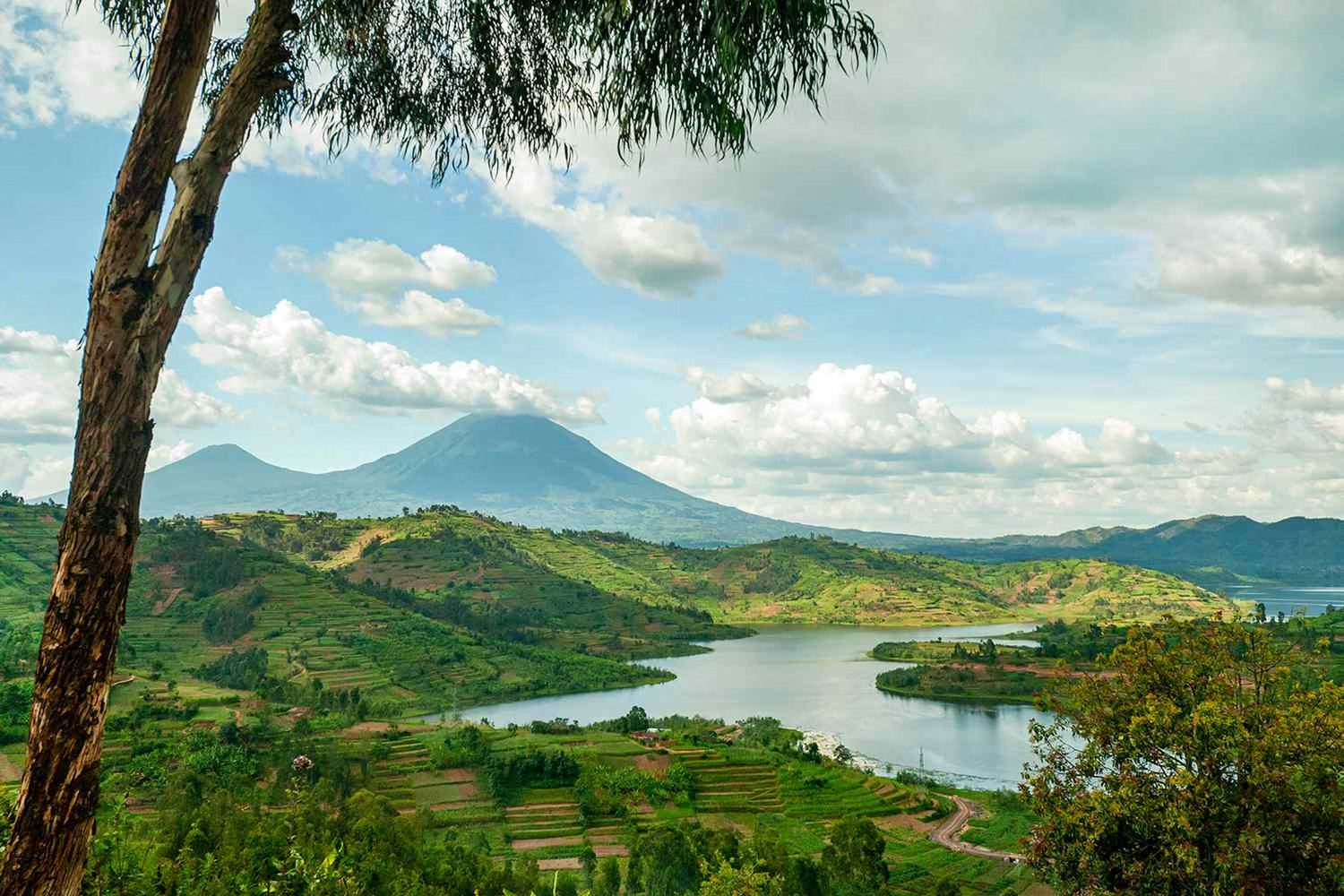
Rwanda has become one of Africa’s shining examples of stability, security, and tourism growth. Known as the Land of a Thousand Hills, the country draws thousands of visitors each year who come for gorilla trekking, cultural encounters, and scenic landscapes. Many first-time travelers ask the same question: Is Rwanda safe?
The short answer is yes. Rwanda is not only safe but also remarkably organized compared to many destinations in Africa. Kigali, its capital, is one of the cleanest and safest cities on the continent. However, like anywhere in the world, preparation is key. In this guide, we share 10 essential tips that will help you enjoy your stay in Rwanda with peace of mind.
-
Safety in Kigali
Kigali is a model city when it comes to safety and cleanliness. Violent crime is very rare, and visitors often remark how comfortable it feels to walk around, even after dark. That said, basic precautions still apply: avoid carrying large amounts of cash, keep your valuables out of sight, and use trusted taxis or rideshares when moving at night.
Best For: Travelers who enjoy exploring urban life, markets, and cultural spots without worrying about personal security.
-
Respect for Local Laws and Culture
Rwanda enforces laws strictly, and visitors should familiarize themselves with local rules. Smoking in public is prohibited, plastic bags are banned, and littering attracts heavy fines. The country takes pride in its reputation for cleanliness, so respecting these rules is important.
On the cultural side, dress modestly when visiting rural areas or religious sites. Always greet people politely before asking questions, and request permission before taking photos of locals. This small courtesy earns you warm smiles and genuine hospitality.
Tip: Learn a few greetings in Kinyarwanda, such as Muraho (hello). Locals appreciate the effort.
-
Gorilla Trekking Safety
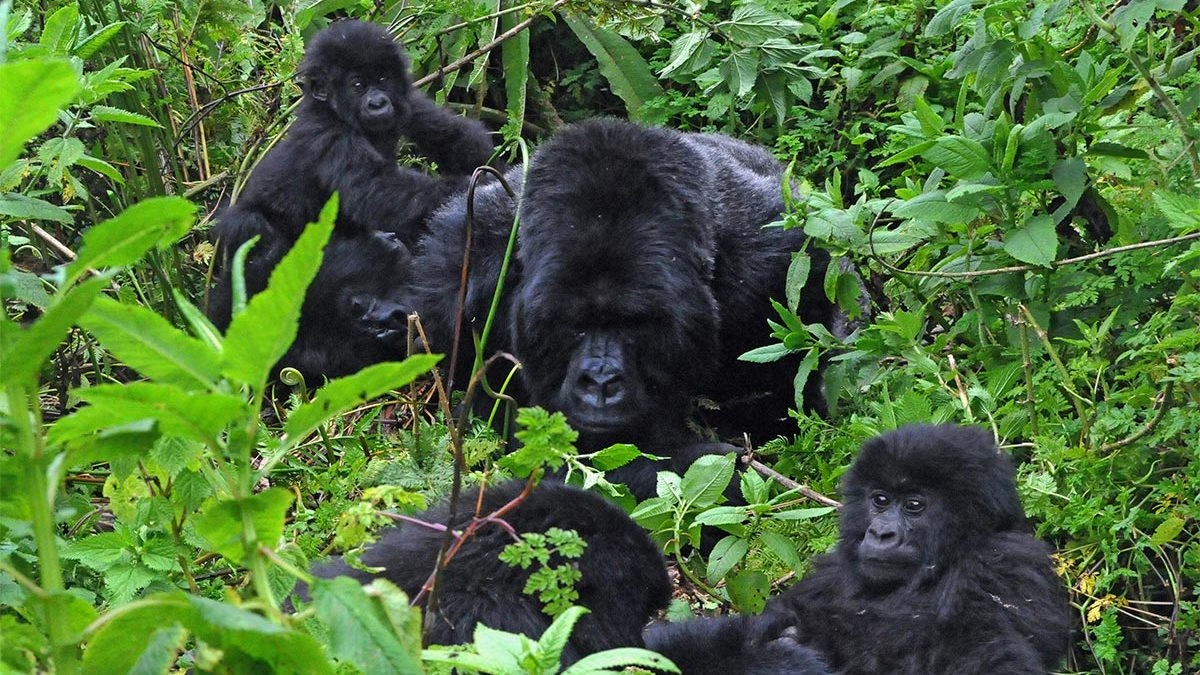
Rwanda’s most famous attraction is gorilla trekking in Volcanoes National Park. Visitors are always guided by professional rangers who prioritize both guest safety and gorilla welfare. Rules include maintaining a distance of at least seven meters, avoiding flash photography, and never imitating gorilla behavior.
Treks can be physically demanding, so prepare with comfortable hiking shoes, gloves, and rain gear. Rangers carry radios and are in constant contact with park headquarters, so there’s little to worry about.
Best For: Adventure travelers and wildlife lovers seeking once-in-a-lifetime encounters.
-
Staying on Designated Travel Routes
Rwanda’s national parks, reserves, and main roads are well-secured. Travel between popular destinations like Kigali, Nyungwe Forest, Lake Kivu, and Akagera National Park is safe. However, avoid unauthorized border crossings into neighboring DRC or Burundi, where instability persists. Stick to recognized tour operators or official guides when exploring remote areas.
Idea: Combine gorilla trekking with a safari in Akagera for a complete Rwanda wildlife circuit.
-
Health and Vaccinations
Rwanda requires a yellow fever vaccination certificate for entry. Malaria prevention is strongly advised, as the country lies in a tropical zone. Carry mosquito repellent, wear long-sleeved clothing in the evenings, and sleep under nets where provided. COVID-19 measures may apply, so check updated entry requirements before traveling.
Travel insurance that covers medical evacuation is highly recommended, especially if you plan trekking or outdoor adventures. Kigali has good hospitals, but rural areas may have limited facilities.
-
Money and Payments
The Rwandan franc is the local currency, though U.S. dollars are widely accepted in hotels and for gorilla permits. ATMs are readily available in Kigali and major towns, but rural areas may lack them. Carry small denominations for local purchases, such as crafts or food.
Credit cards are accepted in many hotels and lodges but less so in markets. Mobile money services like MTN Mobile Money are widely used by locals.
Tip: Ensure your U.S. dollar notes are new and issued after 2009—older notes may not be accepted.
-
Transportation and Road Safety
Public transport in Rwanda is generally safe, with buses connecting towns and moto-taxis operating within cities. Always wear a helmet when using motorbike taxis, as it is the law and for your own safety. For longer trips, private car hire or organized tours are more comfortable and reliable.
Roads are well-maintained, but some rural routes can be steep and winding. Night travel outside cities is not recommended due to poor visibility.
-
Staying Connected
Rwanda has one of the best mobile networks in Africa, with 4G available in most towns. Buying a local SIM card upon arrival is affordable and keeps you connected for navigation, bookings, and communication. Wi-Fi is available in most hotels, cafés, and lodges.
Idea: Use apps like Google Maps and Maps.me for offline navigation, especially during treks or road trips.
-
Accommodation Choices
Whether you want luxury lodges near gorilla habitats or budget guesthouses in Kigali, Rwanda offers safe and comfortable options. Lodges around Volcanoes National Park often combine eco-friendliness with world-class service. In cities, business hotels provide reliable amenities, while Lake Kivu offers lakeside resorts perfect for relaxation.
Book well in advance, especially during peak gorilla trekking seasons (June to September and December to February).
-
Emergency Contacts
It’s always wise to keep emergency numbers handy. The Rwandan police can be reached at 112, and medical emergencies at 912. Hotels, guides, and tour operators are also well-connected with local authorities to assist in case of any problem.
Conclusion
So, is Rwanda safe? Absolutely. It is one of the most peaceful and welcoming countries in Africa. With clean cities, secure travel routes, and well-organized tourism, visitors can explore with confidence. By following these 10 tips—covering safety, health, culture, and logistics—you’ll not only stay secure but also enjoy a richer, more memorable experience.
For travelers seeking gorilla adventures, cultural immersion, or breathtaking landscapes, Rwanda is a destination where safety and hospitality go hand in hand.