
Interesting Facts About Zulu Culture
Facts about Zulu people. The Zulu are the largest ethnic group in South Africa, known for their proud history, rich traditions, and enduring cultural identity. From warrior kings to vibrant ceremonies, Zulu culture remains one of Africa’s most influential and celebrated. Here are some fascinating facts that capture the depth and uniqueness of Zulu life.
-
Shaka Zulu Transformed Zulu Warfare and Society
Shaka Zulu, who ruled in the early 19th century, revolutionized Zulu society. He introduced new military tactics, including the short stabbing spear (iklwa) and bullhorn formation, which helped him build a powerful Zulu kingdom. His leadership and warfare strategies earned him a legendary status in African history.
-
The Zulu Language Is Widely Spoken in South Africa
Over 10 million people speak Zulu, or isiZulu, a Bantu language. South Africa recognizes it as one of its 11 official languages. Schools teach it, media outlets broadcast it, and government and cultural institutions use it widely. The language includes click sounds, which the Zulu borrowed from the San and Khoi people.
-
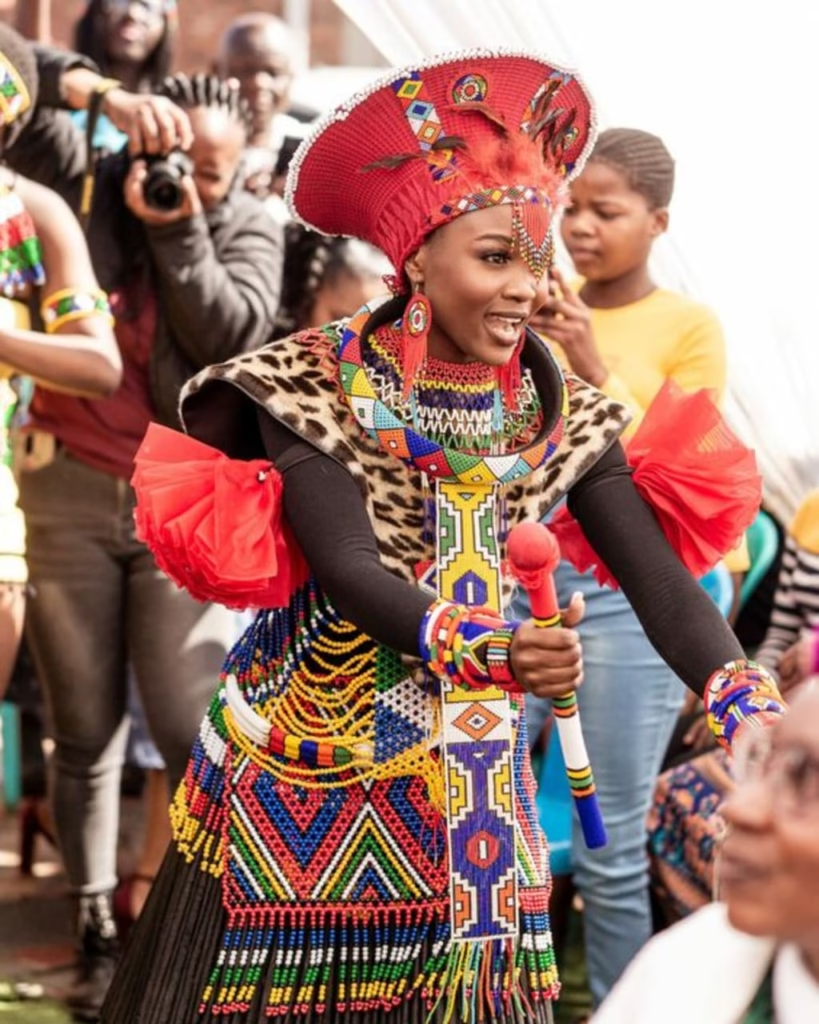
Traditional Dress Reflects Age, Gender, and Marital Status
Zulu clothing is deeply symbolic. Unmarried women wear short skirts and beadwork to show availability. Married women wear longer dresses, headscarves, and cover their shoulders. Men wear amabeshu (leather aprons) and carry shields and spears during ceremonies. Beadwork, colors, and patterns often communicate social messages.
-
Ancestral Worship Is Central to Spiritual Life
While many Zulus are now Christian, traditional beliefs remain strong, especially in rural areas. Ancestors are seen as protectors and intermediaries between the living and the spiritual world. Rituals, offerings, and animal sacrifices are performed to seek guidance or appease spirits during important events.
-
Zulu Dances Are Energetic and Symbolic
Traditional Zulu dances, such as the indlamu (war dance), are bold, high-energy performances involving synchronized foot-stamping and shield displays. These dances are performed during weddings, initiations, and harvest festivals, often accompanied by drumming and chanting. Dance plays a vital role in storytelling and preserving history.
-
Beadwork Is More Than Decoration—It’s a Language
Zulu beadwork uses color and shape to convey messages. For instance:
- White symbolizes purity
- Red signifies love and strong emotion
- Green represents contentment
Patterns and colors can tell someone’s romantic status, family background, or emotional state. Each piece is carefully crafted and worn with purpose.
-
Family and Community Are Core to Zulu Identity
The extended family system is vital in Zulu culture. Elders are highly respected and often serve as decision-makers and guardians of tradition. Ubuntu, the idea that “I am because we are,” guides social interaction and reinforces solidarity, respect, and mutual care.
-
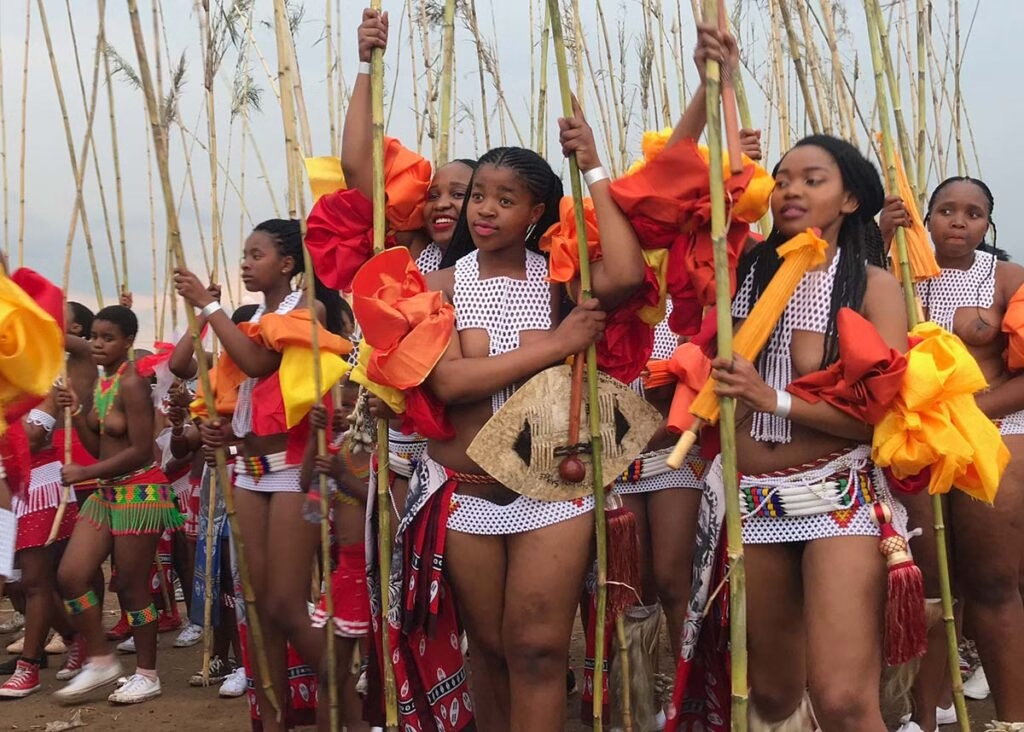
The Reed Dance (Umkhosi Womhlanga) Celebrates Purity and Unity
One of the most famous Zulu ceremonies is the Reed Dance, held annually in KwaZulu-Natal. Thousands of young women present reeds to the Zulu King in a colorful celebration of virginity, unity, and Zulu pride. It’s both a cultural festival and a rite of passage.
-
Zulu Kings Still Hold Cultural Power
Although South Africa is a republic, the Zulu monarchy remains influential. The Zulu king plays a symbolic and unifying role in modern society, presiding over traditional rituals and representing the voice of the Zulu nation in national affairs.
-
Modern Zulu People Blend Tradition with Urban Life
Today, many Zulus live in urban areas and hold modern jobs, yet continue to observe traditions. Weddings, naming ceremonies, and ancestral rites are still widely practiced. Zulu music, fashion, and dance continue to evolve while maintaining their cultural roots.
Plan Your Cultural Encounter
Zulu culture offers a powerful blend of history, spirituality, and living tradition. Whether you’re exploring KwaZulu-Natal, attending the Reed Dance, or watching a live performance of traditional dance, the Zulu experience leaves a lasting impression of African resilience and pride.