The Impact of Tourism on Mountain Gorilla Conservation Efforts
Mountain gorilla tourism impact. Mountain gorilla tourism has grown significantly in East Africa over the past decades. Uganda, Rwanda, and the Democratic Republic of Congo now welcome thousands of visitors eager to see these magnificent creatures in the wild. This growing interest has a major impact on conservation efforts—both positive and challenging.
Positive Effects of Gorilla Tourism
Tourism has become a key tool in mountain gorilla conservation. Permit fees generate crucial funding that supports park management, anti-poaching patrols, and community development.
Local communities living near gorilla habitats benefit financially through revenue-sharing programs. This reduces human-wildlife conflict and fosters a protective attitude toward gorillas.
Tourism also raises global awareness about the plight of mountain gorillas. Visitors often become advocates for conservation, spreading the message far beyond their trek.
Economic Benefits for Communities
Gorilla tourism creates jobs for thousands of locals. Porters, guides, lodge staff, drivers, and craft vendors all depend on tourism income.
Communities use revenue from permits and tourism projects to build schools, clinics, and clean water systems. These improvements increase local quality of life and strengthen conservation support.
Conservation Challenges Linked to Tourism
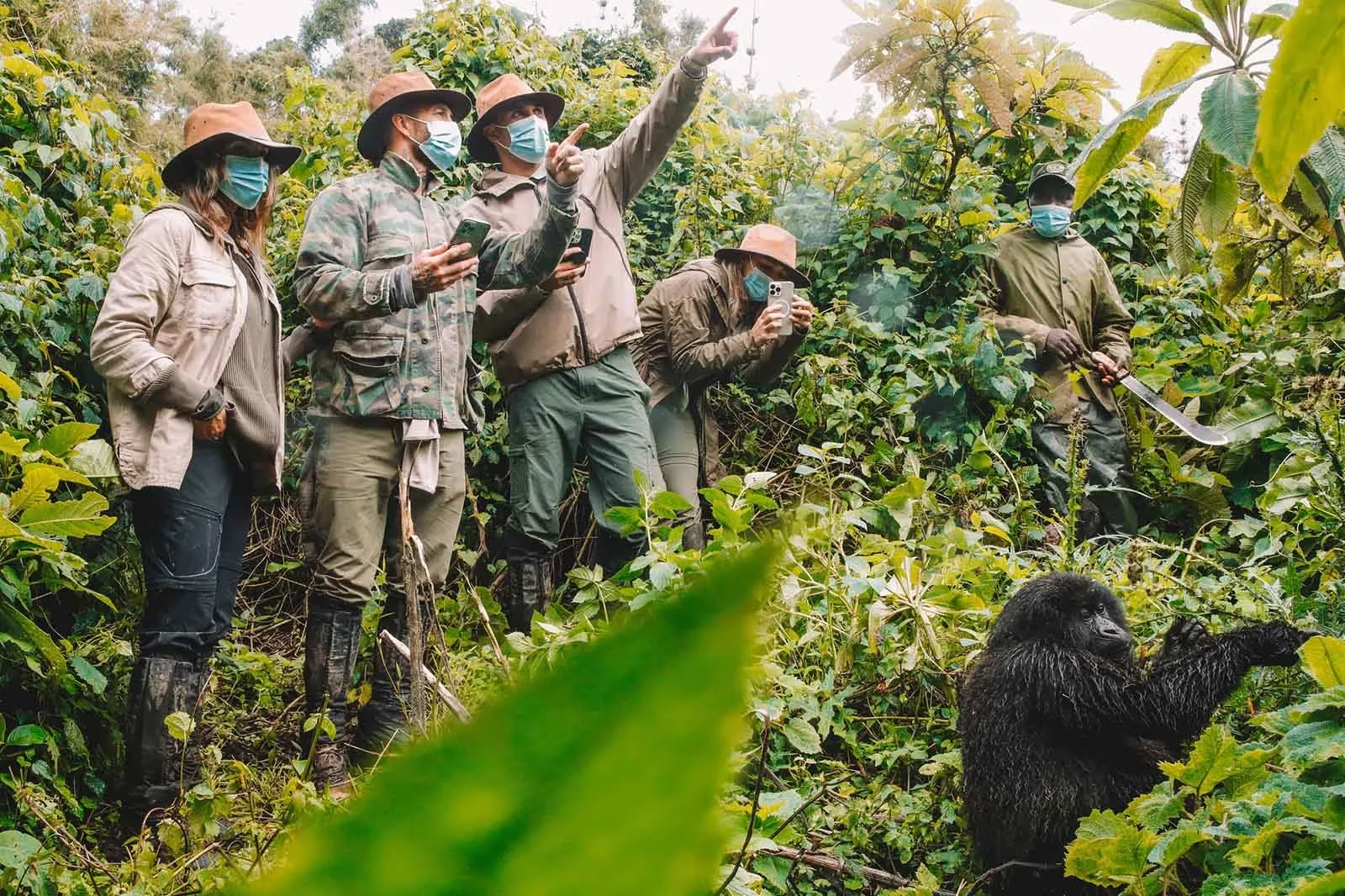
Despite many benefits, tourism poses risks. Human presence can stress gorillas and expose them to diseases. Strict guidelines — such as limiting visitor numbers and enforcing safe distances — help mitigate these threats.
Infrastructure development, like roads and lodges, can disturb habitats if not managed carefully. Balancing tourism growth with ecological protection requires constant attention.
Sustainable Tourism Practices
To protect gorillas, Uganda and its neighbors enforce policies that promote sustainable tourism:
- Only a limited number of permits are sold daily to reduce crowding.
- Visits last only one hour and require staying a safe distance (7 meters).
- Visitors with illnesses or open wounds are not allowed to trek.
- Tour operators educate clients on responsible behavior in the forest.
Such measures help ensure that gorilla tourism benefits conservation without harming the animals.
Community Involvement Is Key
Communities are at the heart of conservation success. When locals see direct benefits from tourism, they become guardians of the forest.
Programs that involve women and youth empower marginalized groups, ensuring that tourism revenues contribute to broader social development.
The Future of Gorilla Tourism and Conservation
As demand grows, managing tourism sustainably will be critical. Authorities and conservationists work together to monitor gorilla health, track impacts, and adjust policies.
Innovation in eco-friendly lodges, controlled visitor flows, and community partnerships will shape the future.
Tourists can help by booking with responsible operators, respecting rules, and supporting local businesses.
Plan Your Safari
Your gorilla trekking journey supports a larger mission — protecting one of Earth’s most endangered species and the communities that live alongside them.
Choose ethical tours, respect wildlife rules, and embrace the opportunity to be part of a conservation story that benefits nature and people.
Every step you take in the forest helps safeguard the mountain gorillas for generations to come.