
How Long Do Lions Live? Understanding the Lion Lifespan
Lion Lifespan. Lions are powerful, social, and highly adaptive predators that reign over much of Africa’s savannah and grassland ecosystems. But behind the majesty of the mane and the might of their roar lies a critical biological question: How long do lions live in the wild and in captivity? Understanding the lifespan of lions offers insight into their survival, vulnerability, and life stages in the wild.
Lion Lifespan in the Wild
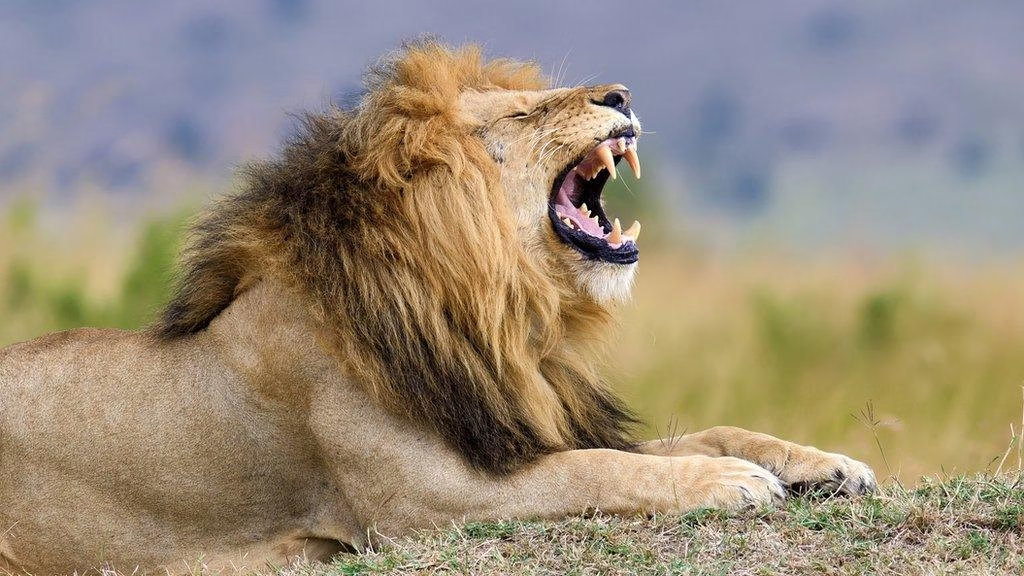
In the wild, lions typically live between 10 to 14 years, though this varies based on gender, environment, and threats such as human conflict, injury, or competition with other predators.
- Female lions, which usually remain in the pride for life, tend to live longer—up to 15 years—because they are not often involved in fatal fights over territory or leadership.
- Male lions generally have a shorter lifespan, averaging 8 to 12 years. Their lives are more dangerous due to constant challenges from rival males, which can lead to injury, expulsion, or death. Once ousted from a pride, older males often struggle to survive alone.
Survival rates for lion cubs are also low. Around 50% of cubs die before the age of two, often due to infanticide, starvation, or predation.
Lion Lifespan in Captivity
In captivity, lions can live significantly longer—up to 20 to 25 years. Protected environments such as zoos, conservation centers, or sanctuaries provide consistent food, medical care, and protection from territorial conflict or poaching. This extended lifespan, however, comes at the cost of natural behavior, space, and ecological freedom.
Captive lions may experience chronic stress or develop obesity and joint issues without proper enrichment. Still, for some endangered subspecies like the Asiatic lion, managed care can aid in population recovery.
Factors That Affect Lion Longevity
Several key factors influence how long lions live:
- Environment and Habitat: Lions in protected areas with abundant prey and minimal human interference live longer than those in conflict zones or shrinking habitats.
- Pride Stability: Stable prides tend to offer better protection for cubs and females. Males in power for longer periods ensure the survival of their offspring.
- Human-Wildlife Conflict: Poaching, trophy hunting, and retaliatory killings near villages or farmlands shorten lion lifespans dramatically in many regions.
- Injuries and Fights: Lions frequently get injured during territorial disputes, hunts, or defense against scavengers like hyenas.
- Health and Disease: Lions can suffer from tick-borne illnesses, TB, or feline immunodeficiency virus (FIV), particularly in densely populated areas.
Life Stages of a Lion
Understanding the lion’s life cycle adds more context to its lifespan:
- Cubs (0–2 years): Highly vulnerable. Dependent on mothers for food and protection.
- Subadults (2–4 years): Begin learning to hunt, may be forced to leave the pride if male.
- Young Adults (4–6 years): Males form coalitions and challenge older males. Females start breeding.
- Prime Adults (6–10 years): Peak of strength and dominance. Best years for breeding and leadership.
- Seniors (10+ years): Decline begins. Older lions often lose territory and become less dominant.
Plan Your Safari: Observe Lions at Every Stage of Life
Want to see lions in action? Africa’s top safari destinations offer a chance to witness lion behavior across life stages—from playful cubs to dominant males defending their prides.
Best places to see lions in the wild:
- Serengeti National Park, Tanzania: Ideal for witnessing large prides and cub-rearing during the Great Migration.
- Masai Mara, Kenya: Offers high lion density and excellent opportunities to observe inter-pride dynamics.
- Kruger National Park, South Africa: Known for accessible sightings and consistent pride territories.
- South Luangwa, Zambia: Offers unique lion behavior including night hunting.
Traveling with experienced guides increases your chance of observing lion cubs, territorial battles, or feeding behaviors—key moments that reflect their life stage and survival challenges.
Final Thought
The lifespan of a lion depends heavily on where it lives and the challenges it faces. In the wild, 10–14 years is the average, while captive lions may live over 20 years. Whether it’s the fierce battle of a dominant male or the nurturing care of a lioness toward her cubs, each stage of a lion’s life offers insight into the delicate balance between power, survival, and mortality in the animal kingdom.