How Gorilla Permits Are Allocated—Uganda, Rwanda, and DRC
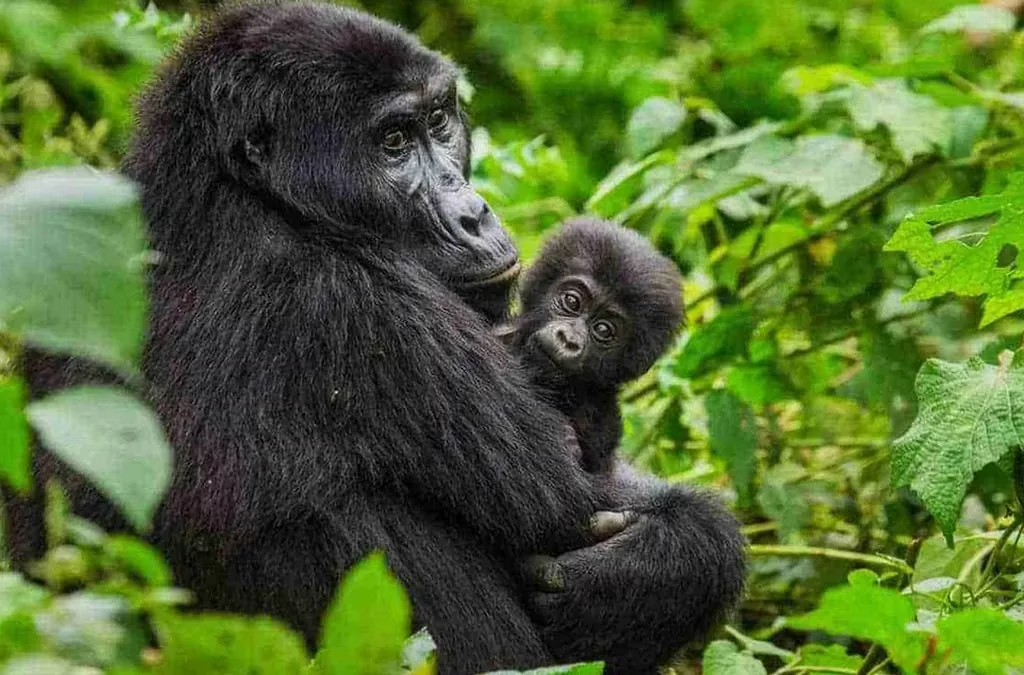
Gorilla permit allocation. Gorilla trekking is a major highlight of East African tourism, attracting visitors from around the world. To protect mountain gorillas and their habitat, governments regulate trekking through a permit system. Understanding how authorities allocate permits helps travelers plan their trips and ensures sustainable tourism that supports conservation.
Uganda: Bwindi Impenetrable Forest & Mgahinga Gorilla National Park
In Uganda, the Uganda Wildlife Authority (UWA) issues gorilla permits. Bwindi has 12 habituated gorilla families, and Mgahinga has several more.
UWA limits each group to 8 trekkers per day to reduce disturbance to the gorillas. Officials allocate permits on a first-come, first-served basis. Travelers can book trekking permits online, through tour operators, or at UWA offices.
Popular trekking dates, especially in the dry seasons (June–September and December–February), sell out months in advance, so travelers should book early. UWA allocates permits according to availability for specific gorilla families, and visitors may choose a family if they prefer.
Rwanda: Volcanoes National Park
The Rwanda Development Board (RDB) manages gorilla permits. RDB restricts each trekking group to 8 people per day.
Travelers create high demand for permits, especially during peak seasons, and Rwanda enjoys a reputation for excellent gorilla sighting success. Visitors can apply online through the RDB website or book through licensed tour operators.
RDB advises travelers to book well in advance to secure permits for popular gorilla families.
Democratic Republic of Congo: Virunga National Park
Virunga National Park authorities administer gorilla permits in the DRC. The park hosts gorilla families in the Virunga Mountains, which span Uganda, Rwanda, and the DRC.
Due to security concerns, officials allow trekking only in certain areas, but travelers can still obtain permits for specific families. Authorities keep groups small, usually 6–8 people per trek.
Travelers can secure permits through licensed tour operators or directly at the park office. Because numbers remain limited, booking early is essential.
Factors Affecting Permit Allocation
- Family Size and Habituation
Some gorilla families are more habituated and used to trekkers, allowing for more frequent visits, while shy families have fewer allocations. - Conservation Regulations
Authorities limit the number of visitors per day to minimize stress on gorillas and prevent disease transmission. - Peak Seasons
Permit demand peaks during dry seasons and holidays. Advanced booking avoids disappointment. - Tour Operator Coordination
Booking through a reputable tour operator often increases efficiency in securing permits, as they maintain relationships with park authorities and know which families have available slots.
Tips for Securing Gorilla Permits
- Book at least 3–6 months in advance, especially during peak trekking seasons.
- Decide on your preferred gorilla family early to ensure availability.
- Use trusted tour operators who handle permits, transport, and guides together.
- Be flexible with dates if possible; mid-week or off-peak trekking increases your chances of availability.
Conclusion
Gorilla permits in Uganda, Rwanda, and DRC are strictly regulated to ensure sustainable tourism and gorilla conservation. Understanding the allocation system—small groups, limited daily visits, and advance booking—helps travelers secure permits and enjoy a once-in-a-lifetime encounter with mountain gorillas while supporting the long-term survival of these majestic animals.