
How Fast Can Hippos Run?
Hippos may look like slow, lumbering giants, but when it comes to speed—especially on land—they are surprisingly fast. Despite weighing up to 3,500 kg (7,700 lbs), hippos can reach impressive speeds, making them one of the most dangerous and unpredictable animals in Africa.
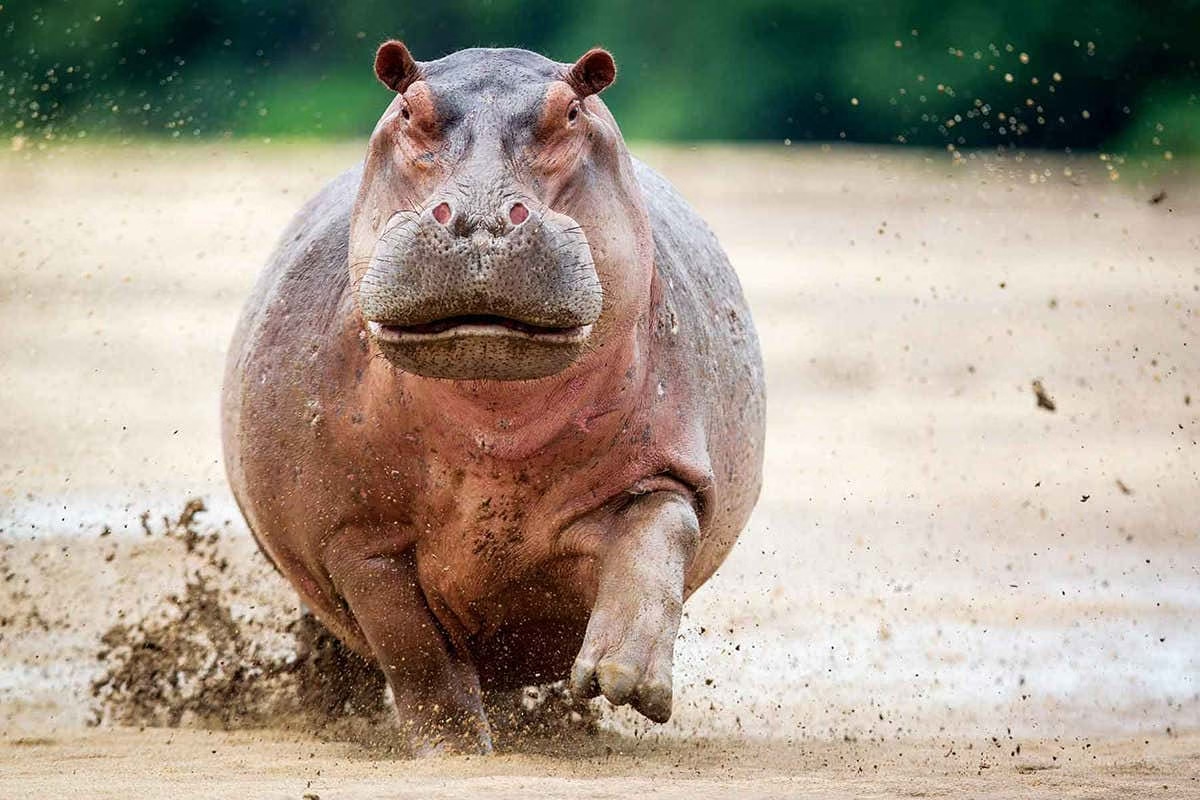
How Fast Do Hippos Run on Land?
On land, hippos can run at speeds of up to 22 to 25 miles per hour (35 to 40 kilometers per hour) over short distances. This burst of speed allows them to charge aggressively when threatened or defending their territory. However, they can only maintain this pace for brief sprints, usually covering no more than 100 to 200 meters.
Their top speed is comparable to that of a human sprinter. This means a charging hippo can easily outrun most people, especially in uneven terrain near rivers or swampy areas where they typically dwell.
How Fast Can Hippos Move in Water?
In water, hippos don’t swim in the traditional sense. Instead, they move by galloping along the riverbed, using powerful leg movements to push themselves off the bottom. While this motion gives the illusion of swimming, it’s actually more like underwater bouncing or gliding.
Underwater, hippos can move at speeds of about 5 miles per hour (8 kilometers per hour). Though slower than their land speed, this is still impressive for such a massive animal navigating through dense aquatic environments.
Why Are Hippos So Fast?
Several physical features contribute to their surprising speed:
- Strong Muscles: Hippos have heavily muscled limbs and torsos that generate significant power.
- Streamlined Movement: On land, their galloping motion is efficient, and their body shape helps them maintain momentum.
- Survival Instincts: In the wild, speed is essential for defending territory, chasing off intruders, or escaping threats.
Are Hippos Dangerous Because of Their Speed?
Yes. A hippo’s combination of size, aggression, and speed makes it one of Africa’s most dangerous animals. They can run down humans, overturn boats, and confront predators with shocking ferocity. Many human fatalities in Africa are attributed to unexpected hippo encounters near water.
Despite being herbivores, hippos are extremely territorial and will charge anything they perceive as a threat, especially when calves are nearby.
Plan Your Safari
Witnessing a hippo in its natural habitat—whether grazing along the banks of the Zambezi or plunging into the waters of the Okavango—is a thrilling highlight of any African safari. Their power and agility are best appreciated up close, under the guidance of an experienced ranger. For optimal viewing, visit national parks with dense river systems such as Chobe National Park (Botswana), Queen Elizabeth National Park (Uganda), or Lower Zambezi National Park (Zambia).
By understanding the behavior and speed of hippos, you not only enhance your safari experience but also learn how to safely respect their territory. A guided boat cruise or riverside game drive offers the safest and most spectacular opportunity to observe these impressive animals in action.