
Health & Safety Tips for Travelers to Uganda
Health tips Uganda.Traveling to Uganda is an exciting adventure filled with wildlife, culture, and natural beauty. But like any destination, staying healthy and safe requires preparation. Knowing what to expect helps you relax and enjoy your journey with confidence.
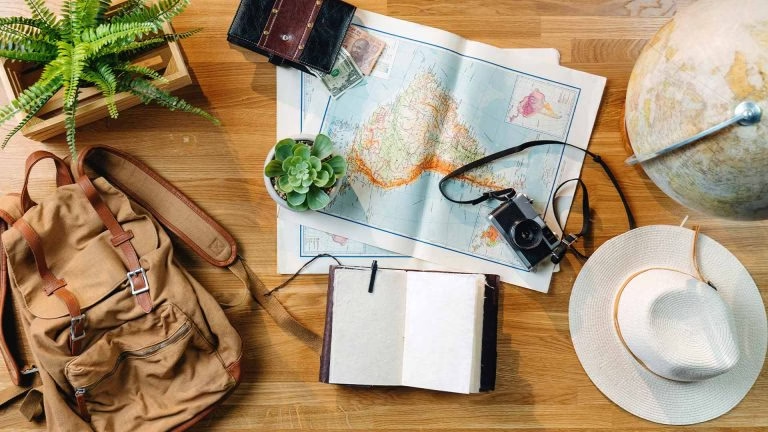
Before You Travel
-
Get Vaccinated
Uganda requires proof of yellow fever vaccination for entry. Additional recommended vaccines include:
- Hepatitis A and B
- Typhoid
- Tetanus
- Rabies (if you’ll be in rural areas or around animals)
Visit a travel clinic at least 4–6 weeks before your departure to receive all required shots and medications.
-
Pack a Personal Medical Kit
Carry essential supplies such as:
- Pain relievers
- Anti-diarrheal medication
- Insect repellent with DEET
- Antimalarial tablets (if recommended)
- Sunscreen and hand sanitizer
Also pack any prescription medication with a copy of your prescription.
Staying Healthy in Uganda
-
Drink Safe Water
Avoid tap water. Drink only bottled or filtered water. Use it for brushing teeth and avoid ice in drinks unless you’re sure of its source.
-
Be Careful with Food
Eat hot, freshly cooked food. Wash fruits before eating or peel them yourself. Avoid raw salads in rural areas.
Street food is delicious but should be chosen wisely. Pick stalls with high turnover and visible hygiene practices.
-
Prevent Mosquito Bites
Uganda is a malaria-endemic country. Sleep under mosquito nets, wear long sleeves in the evenings, and apply repellent regularly.
General Safety Tips
-
Register with Your Embassy
If your country offers online travel registration, use it. This helps your government contact you in case of emergency.
-
Be Street Smart
Kampala and other cities are generally safe, but petty theft can happen. Avoid showing valuables in public. Use hotel safes when available.
Walk in groups at night and use trusted transport services or hotel taxis.
-
Respect Local Customs
Dress modestly, especially in rural or religious areas. Greet people politely and ask before taking photos.
Ugandans are friendly and welcoming, but cultural sensitivity goes a long way.
-
Use Local Advice
Ask hotel staff or local guides for safety updates and recommended areas to avoid. Conditions may change, especially during political events or large gatherings.
Emergency Contacts
- Police Emergency: 112 or 999
- Ambulance Services (St. John’s or private clinics): Contact local hospitals directly
- Tourist Police (Kampala): Available at key travel hubs
- Uganda Wildlife Authority (for park emergencies): Provided at park entrances
Plan Your Visit
A safe and healthy trip starts with good planning. Take vaccinations seriously, pack smart, and follow basic hygiene tips.
Uganda offers breathtaking wildlife, warm hospitality, and cultural depth. With a little preparation, your adventure will be safe, smooth, and unforgettable.