
What Makes Great Safari Guides and Why Are They Important?
Safari guides shape the soul of every wildlife experience. While animals and landscapes attract visitors, it’s the guide who interprets, teaches, and protects. A great safari guide turns a simple game drive into a lifelong memory. Safari destinations in East and Southern Africa (Uganda, Rwanda, Kenya, Tanzania, Botswana, Zambia, South Africa, Namibia)
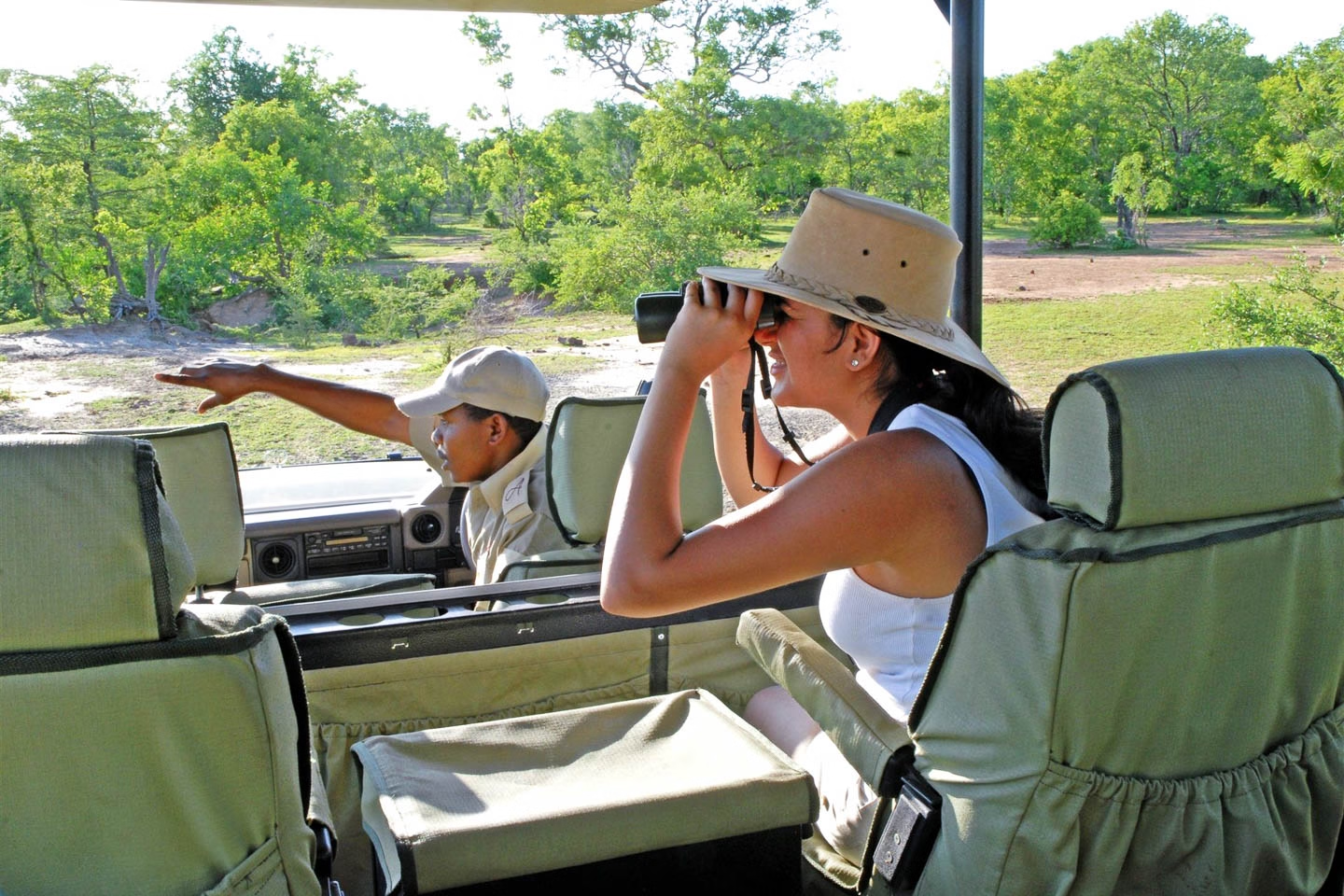
Key Traits of Great Safari Guides
- Deep Knowledge of Wildlife and Ecosystems
Top guides study animal behavior, tracking, birdlife, vegetation, and weather patterns. They understand how predators hunt, how elephants communicate, and how nature works together. - Sharp Observation and Tracking Skills
A great guide notices tiny details: broken branches, distant calls, or fresh prints in the dust. These signs lead guests to wildlife others would miss. - Storytelling That Inspires
Facts alone don’t create connection. Great guides explain nature using local stories, cultural references, and historical context. They paint vivid pictures, not just recite names. - Strong Communication Skills
Excellent guides speak clearly and adapt to different guests. They simplify complex topics and know when to speak—or stay quiet. Listening to guests’ interests helps shape the best possible experience. - Safety Awareness and First Aid Training
Top guides prepare for emergencies. They understand animal behavior, read danger signs, and keep guests safe on foot or in vehicles. Most also hold first aid and wilderness survival certifications. - Passion and Respect for Nature
Love for wildlife drives the best guides. They care about conservation and teach travelers to respect the environment and local communities. - Humility and Patience
Not every day brings dramatic sightings. Great guides remain calm, patient, and committed to making each outing meaningful—whether lions roar or birds sing quietly in the trees.
Why Safari Guides Matter So Much
They Make or Break the Safari
Even in a rich wildlife area, a poor guide can ruin the experience. A good guide elevates it. Visitors remember how they felt, what they learned, and the moments they shared with their guide.
They Act as Translators of the Wild
Animals don’t speak our language—but guides do. They explain behaviors, spot camouflage, and offer insights that guests would never notice alone.
They Create Safe, Ethical Encounters
Guides keep safaris ethical. They avoid stressing animals, maintain safe distances, and respect protected zones. Discourage loud noise, littering, or feeding animals.
They Support Local Economies
Most safari guides come from nearby communities. Their work supports families, preserves traditional knowledge, and builds pride in conservation. Hiring local guides ensures direct benefits to the region.
They Inspire Conservation
Guests often leave safaris with a deeper love for nature. A passionate guide turns visitors into ambassadors—people who donate, spread awareness, or even return to volunteer.
How to Identify a Great Safari Guide Before You Book
- Look for Certifications: In countries like South Africa and Kenya, top guides earn certifications from FGASA or KPSGA. Uganda and Rwanda also have government-licensed guide associations.
- Read Reviews: Look for consistent praise about a guide’s knowledge, kindness, and skill.
- Ask Tour Operators: Request experienced guides, especially for walking safaris or family trips.
- Watch Their Track Record: Many seasoned guides lead specialized tours—photography, birding, cultural trips.
Plan Your Safari with the Right Guide
A luxury lodge means little without a skilled guide. Even a budget safari can shine when led by someone passionate and sharp. Choose carefully. Great guides don’t just point at animals—they reveal the heartbeat of the wild.