Re-Establishing a Wildlife Eden in Africa: Gorongosa National Park, Mozambique
Once shattered by war, Gorongosa National Park now stands as one of Africa’s greatest conservation success stories. Nestled at the southern end of the Great African Rift Valley, this park in central Mozambique is a living symbol of restoration—of both wildlife and hope. Gorongosa’s journey from devastation to revival shows how nature, science, and local communities can work together to rebuild paradise.
A Lost Paradise Reborn
In the 1960s, Gorongosa ranked among Africa’s premier safari destinations. It hosted vast herds of elephants, buffalo, zebras, and lions. But decades of civil war from 1977 to 1992 devastated the ecosystem. Wildlife populations collapsed. Infrastructure crumbled. Poaching took hold. By the early 2000s, Gorongosa was nearly empty.
Then, restoration began.
The Gorongosa Restoration Project
In 2004, the Mozambican government partnered with American philanthropist Greg Carr to launch a bold conservation effort. The Gorongosa Restoration Project aimed to revive the park’s ecosystem, rebuild infrastructure, and uplift nearby communities.
With science at its core, the project focused on:
- Reintroducing lost species like wild dogs and hippos
- Protecting habitats through anti-poaching patrols and ecological research
- Hiring and training local staff, from rangers to scientists
- Creating alternative livelihoods to reduce dependence on wildlife exploitation
Today, Gorongosa’s wildlife is back—and thriving.
Wildlife Returns to the Landscape
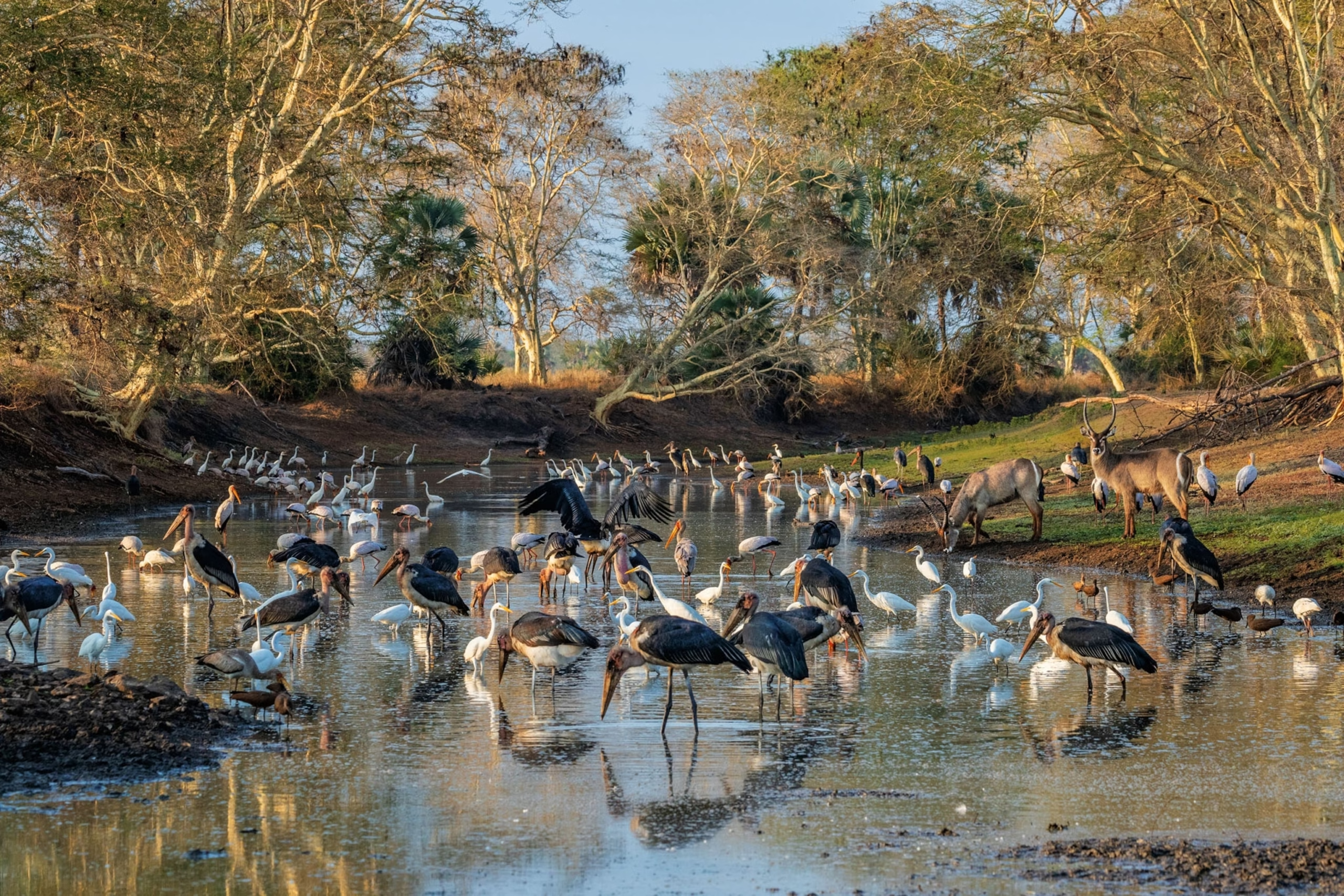
Animal numbers have rebounded dramatically. Buffalo, once fewer than 100, now number over 5,000. Elephants, though still cautious, are returning in family groups. Lions, warthogs, antelopes, and even leopards now roam freely.
The park also boasts rich birdlife and is a hotspot for endemic species like the Green-headed Oriole and Mount Gorongosa pygmy chameleon.
In 2018, wild dogs—locally extinct for over 25 years—were reintroduced. Their successful return signaled a healthy, functioning ecosystem.
A Model of Inclusive Conservation
Gorongosa’s success lies not just in its wildlife but in its deep investment in local communities. Over 200,000 people live in the buffer zone. The park supports them with:
- Healthcare clinics and mobile medical teams
- Education programs, including a girls’ science initiative
- Employment in the park and in eco-tourism ventures
- Sustainable farming projects, like shade-grown coffee from Mount Gorongosa
By giving communities a stake in conservation, Gorongosa proves that people and wildlife can thrive together.
Visiting Gorongosa – A Safari with Purpose
Gorongosa isn’t a typical big-five safari park—but that’s part of its magic. It offers raw, authentic nature, fewer crowds, and meaningful engagement.
Game drives reveal large herds, diverse birds, and dramatic landscapes. Guided hikes to Mount Gorongosa uncover waterfalls, forests, and rare species. You can also meet scientists at the E.O. Wilson Biodiversity Lab, making it one of Africa’s most intellectually engaging safari destinations.
Accommodations range from comfortable eco-lodges to rustic bush camps. Every stay supports conservation and community work.
A Blueprint for Africa’s Future
Gorongosa shows the world what is possible when science, funding, and community unite. It transforms tragedy into triumph—not just for Mozambique, but as a model for conservation across Africa.
As climate change and human pressures grow, Gorongosa stands tall. It reminds us that restoring nature is not only doable—it’s powerful, healing, and urgently needed.
Plan Your Visit
Travelers seeking more than a photo opportunity will find something deeper in Gorongosa. Here, safaris go beyond animals. You connect with nature, history, and the human spirit of renewal.