
Combining Gorilla Trekking with Safari: East Africa Itinerary Tips
East Africa is one of the few places on Earth where you can track mountain gorillas one day and spot lions the next. Combining gorilla trekking with a classic savannah safari gives you the best of both worlds — wild jungle and open plains.
This travel experience is unique, intense, and deeply rewarding. But it requires smart planning. The gorillas live in high-altitude forests on the borders of Uganda, Rwanda, and Congo. Safaris, on the other hand, are best done in places like the Serengeti, Masai Mara, or Uganda’s Queen Elizabeth National Park.
If you’re dreaming of this perfect combination, here’s how to plan your East Africa itinerary.
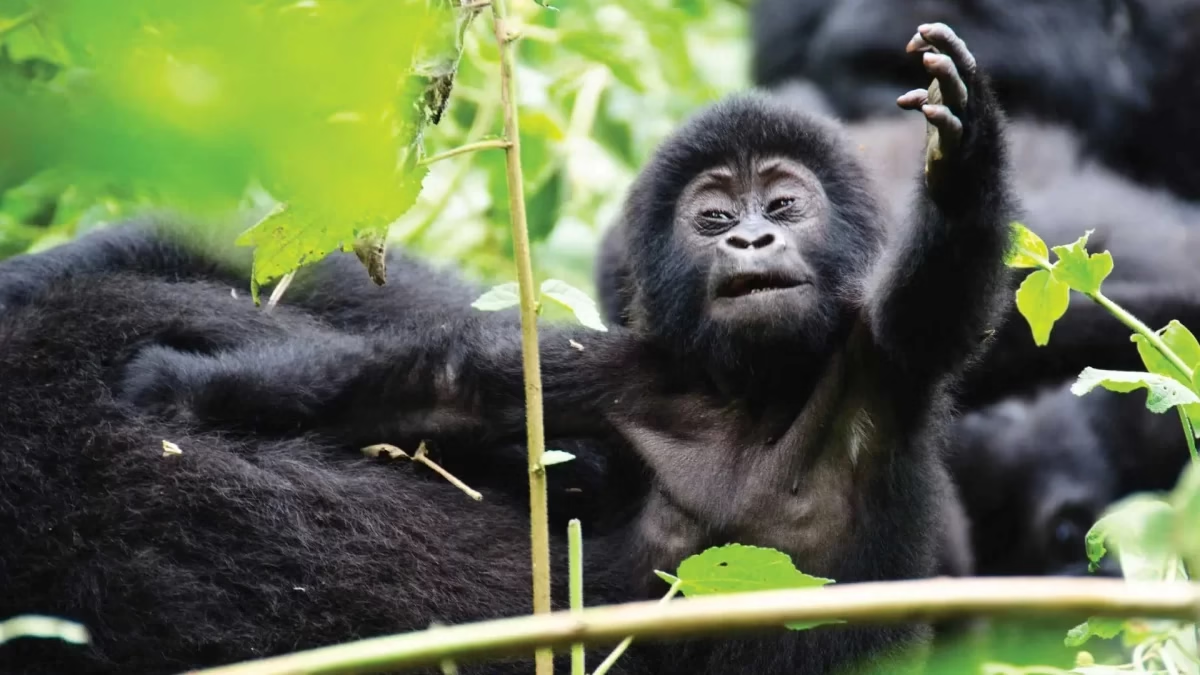
Start with the Gorillas
Gorilla trekking is a once-in-a-lifetime experience. It’s also the most regulated part of your journey. Only a limited number of permits are available each day, and they must be booked in advance.
Uganda offers two main trekking locations: Bwindi Impenetrable National Park and Mgahinga Gorilla National Park. Rwanda offers quick access to Volcanoes National Park, just 2.5 hours from Kigali. Congo is the most adventurous option, with treks in Virunga National Park.
Start your itinerary here because permits often dictate your travel dates. Also, gorilla trekking can be physically demanding. Doing it early ensures you’re still fresh and energized.
Add a Safari for Contrast
After the dense jungle, nothing beats the open savannah. Safaris give you time to relax, watch wildlife from the comfort of a vehicle, and enjoy classic African landscapes.
If you trek in Uganda, consider a safari in:
- Queen Elizabeth National Park – tree-climbing lions, boat cruises, and crater lakes.
- Murchison Falls National Park – elephants, giraffes, and a dramatic waterfall on the Nile.
- Kidepo Valley National Park – remote, wild, and less crowded.
If you trek in Rwanda, cross into Tanzania or Kenya for the Serengeti or Masai Mara. These parks offer epic wildebeest migrations, big cats, and luxury camps.
Ideal Itinerary Structure
Here’s a sample 10–14-day itinerary for combining gorilla trekking with safari:
Days 1–3: Arrival and transfer to the gorilla trekking region (Kigali to Volcanoes or Entebbe to Bwindi).
Day 4: Gorilla trekking day.
Day 5–6: Optional second trek or transfer to safari region.
Days 7–10: Safari in your chosen park(s).
Days 11–12: Cultural visit or nature hikes (Batwa communities, Lake Bunyonyi, or Ziwa Rhino Sanctuary).
Day 13–14: Return travel and departure.
Adjust the flow depending on where you start. Rwanda itineraries tend to be shorter due to easier access. Uganda itineraries offer more variety and wildlife but require longer transfers.
Travel Tips for a Smooth Experience
- Book permits early – Especially during peak season (June–September and December–February).
- Use a trusted tour operator – They handle logistics, transfers, permits, and guides.
- Pack for both climates – Mountain forests are cool and wet; savannahs are dry and hot.
- Be prepared for bumpy roads – Some regions, especially in Uganda, have rough terrain. 4×4 vehicles are essential.
- Fly if you can – Uganda offers domestic flights to Bwindi and safari parks to save travel time.
Border Crossings and Visas
If you’re crossing between Uganda, Rwanda, and Kenya, consider getting the East Africa Tourist Visa. It allows multiple entries between the three countries on a single visa. It’s affordable and simplifies movement across borders.
Make sure your passport is valid for at least six months and check vaccination requirements. Yellow fever proof is required for most East African countries.
When to Go
The best time for both safari and gorilla trekking is during the dry seasons:
- June to September – cooler, less rain, great for gorilla trekking and the wildebeest migration.
- December to February – also dry and ideal for game viewing.
However, Uganda’s parks remain open year-round, and off-season months offer lower prices and fewer crowds.
Plan Your Safari
East Africa offers a travel story like no other — face-to-face with gorillas, followed by lion sightings on golden plains. Combining these two experiences creates the ultimate African adventure.
Whether you choose Uganda for its diversity and value, or Rwanda for its ease and luxury, plan ahead. Secure your permits, arrange reliable transport, and work with experienced operators. Your dream itinerary is just a few steps away.
Let your journey begin with the gaze of a gorilla and end with the roar of a lion — a perfect balance of wild intimacy and untamed grandeur.