The Challenges of Gorilla Trekking During the Rainy Season
Gorilla trekking rainy season. Gorilla trekking in Uganda or Rwanda is a once-in-a-lifetime adventure. But the experience changes dramatically depending on the time of year — especially during the rainy season.
The rainy months in Uganda and Rwanda typically fall between March to May and October to November. These periods bring lush greenery, dramatic mist, and fewer tourists. But they also bring a unique set of challenges that every traveler should prepare for.
-
Muddy and Slippery Trails
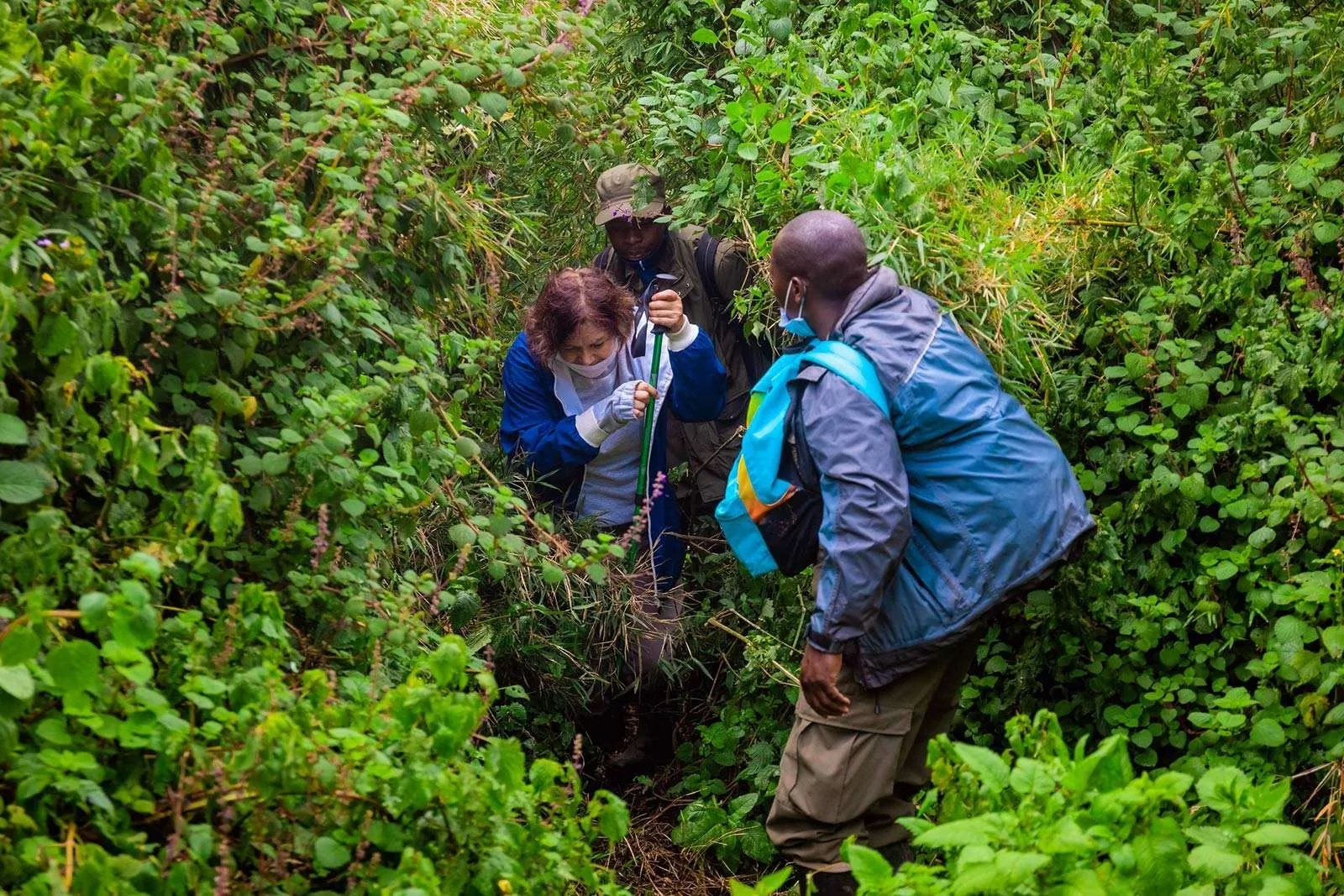
The biggest challenge of gorilla trekking during the rainy season is the condition of the trails. Rain transforms forest paths into slippery, muddy routes. Trekkers often have to navigate steep slopes and thick undergrowth.
Even short treks can become physically demanding. Waterproof hiking boots with strong grip are essential. Porters and walking sticks are not optional luxuries — they become lifesavers.
-
Longer and More Difficult Treks
Rain affects gorilla movement. During wet seasons, gorillas move deeper into the forest to find shelter and food. This often means longer treks. What could be a 1-hour hike in dry months may stretch into 4 or 5 hours during heavy rains.
This adds to the physical strain. Travelers need good stamina and mental readiness. Trekking in the rain is not just about walking — it’s about persistence.
-
Equipment Protection
Rainfall in these regions can be heavy and unpredictable. Protecting gear like cameras, phones, and documents becomes a priority.
Visitors are advised to bring waterproof bags, dry sacks, and rain jackets. Even with protection, photographing gorillas in the rain can be tricky. Low light, fog, and wet lenses make photography more difficult, especially for amateur photographers.
-
Cold and Damp Conditions
Though tropical, the gorilla trekking areas — Bwindi, Mgahinga, and Volcanoes National Park — are in mountainous regions. During the rainy season, temperatures drop, especially in the early morning or late afternoon.
It gets cold, wet, and uncomfortable. Wearing moisture-wicking inner layers, rainproof outerwear, and packing an extra set of clothes is important for comfort and safety.
-
Insects and Forest Conditions
Rainy seasons bring more mosquitoes, ants, and forest insects. While gorilla parks are at higher altitudes with fewer malaria cases, it’s still wise to use insect repellent and wear long-sleeved clothing.
The forest becomes denser. Paths are often overgrown. This makes visibility lower and walking more complex. Rangers sometimes have to cut through brush to keep the group on track.
-
Road Access Challenges
Getting to the parks is also harder in the rainy season. Many roads in rural Uganda and Rwanda are unpaved. Rain turns them into muddy tracks, often causing delays or vehicle breakdowns.
4×4 vehicles become essential. Travel times are longer. It’s smart to plan buffer time and work with experienced local tour operators who know how to navigate these challenges.
-
Unpredictable Trekking Experience
Because of the rain, gorilla sightings are not guaranteed. While success rates are still high, the experience may feel rushed or uncomfortable. Visitors may need to stand in the rain, fog, or thick mist during their precious one hour with the gorillas.
But for some, this adds to the wild, raw atmosphere of the rainforest. Just don’t expect clear skies and ideal photos.
Plan Your Safari
Gorilla trekking during the rainy season is not impossible—in fact, it’s still rewarding for those prepared. The forests are greener, the permit prices may be lower, and the crowds are fewer.
But it’s not for everyone. If you’re an adventurer at heart and don’t mind the mud, discomfort, and unpredictability, the rainy season offers a wilder side of gorilla trekking. Just come prepared, travel with experts, and manage your expectations. Sometimes, the toughest trails lead to the most unforgettable moments.