Gorilla Trekking Difficulty – How Difficult is Gorilla Trekking?
Gorilla trekking difficulty. Trekking gorillas is a once-in-a-lifetime adventure. But many travelers wonder: how difficult is it? The short answer—it depends. Trekking through the dense forests of Uganda, Rwanda, or the Democratic Republic of Congo can challenge your fitness, but it’s also incredibly rewarding.
Factors That Affect Gorilla Trekking Difficulty
Several factors influence how hard a gorilla trek will be. These include the terrain, altitude, weather, and your personal fitness level.
Terrain
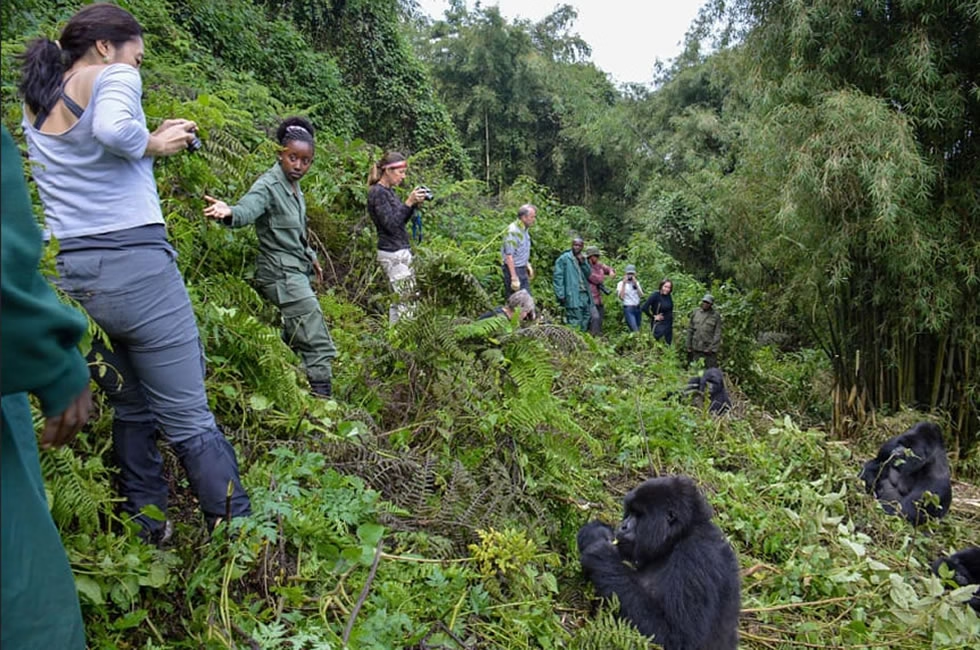
Gorillas live in mountainous, forested regions. Trails are steep, uneven, and often muddy. In Bwindi Impenetrable Forest, you may climb ridges, descend valleys, or walk through thick vegetation. In Volcanoes National Park, Rwanda, trails often pass through bamboo forests and volcanic slopes.
Some treks take only 30 minutes, while others last several hours. Rangers adjust the trekking group assignments based on age, fitness, and the known location of gorilla families.
Altitude
Most gorilla trekking areas sit at 1,200 to 3,000 meters (4,000 to 10,000 feet) above sea level. The thinner air at high elevations can make walking more tiring, especially if you’re not used to altitude. Take time to acclimatize if possible, and stay hydrated.
Weather Conditions
The forest is wet and unpredictable. Rain can fall at any time, even in the dry season. Slippery trails and muddy slopes increase the physical challenge. Waterproof boots, a walking stick, and gaiters can help manage the conditions.
Your Fitness Level
You don’t need to be an athlete, but a moderate level of fitness helps. If you can hike for 2–6 hours with breaks, you can enjoy gorilla trekking. Older people and travelers with physical limitations can request shorter treks. Park authorities usually accommodate such requests when assigning gorilla groups.
How to Prepare for the Trek
Start walking or hiking regularly before your trip. Focus on leg strength, balance, and stamina. Carry a small backpack with water, snacks, gloves, and a rain jacket. Hire a local porter—they not only help with your gear but also offer support on the trail.
Trekking can get tough, but the moment you meet the gorillas, the effort fades away. You get one hour to observe them up close—watching them feed, play, and interact.
Is Gorilla Trekking Worth the Challenge?
Yes. Gorilla trekking is demanding, but it is manageable for most travelers. With basic fitness, the right gear, and mental readiness, you can handle it. Rangers support you throughout the trek and take safety seriously.
The reward—a magical encounter with one of Earth’s rarest animals—is worth every step.