
Gorilla Mating—Courtship, Reproduction and Breeding
Gorillas are among the most captivating primates on earth, known for their strength, intelligence, and complex family structures. Beyond their powerful presence lies a fascinating reproductive behavior that reflects deep emotional and social intelligence. Understanding gorilla mating, courtship, and breeding gives us a glimpse into their intimate world one that is essential for conservation and for appreciating how these great apes sustain their species in the wild.
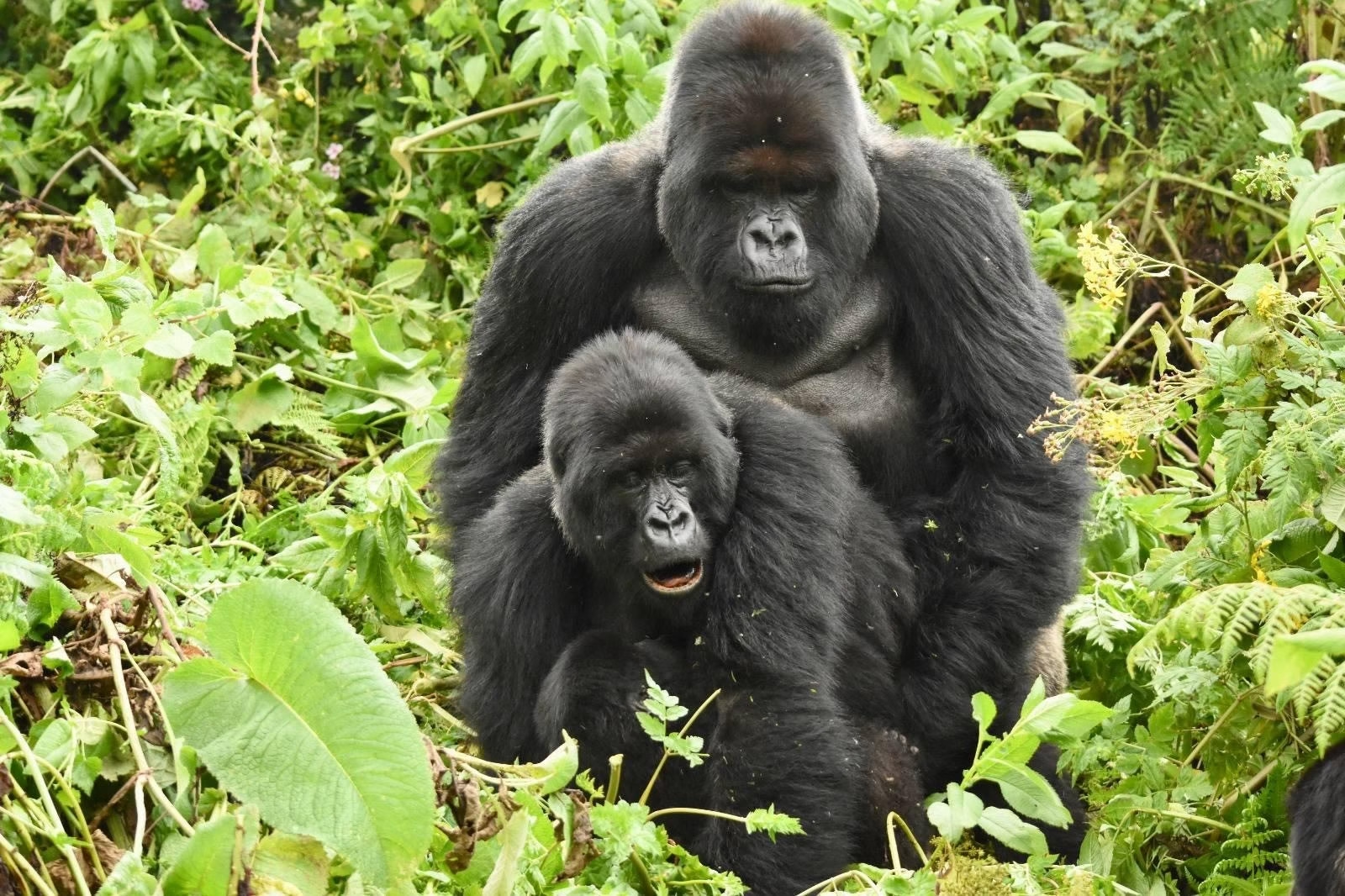
The Courtship Process
Courtship among gorillas is more subtle and emotional than one might expect. Unlike many other animals, gorillas do not rely solely on dominance or aggression to attract mates. Instead, communication through gestures, facial expressions, and sounds plays an important role. Females often initiate mating by maintaining eye contact, approaching the silverback, or using gentle touches to signal readiness.
The silverback, who leads the family group, usually mates with several females, but he does so in a structured and controlled way. His relationship with the females is based on trust and protection rather than constant competition. When a female shows interest, the silverback responds calmly, often positioning himself near her or displaying confidence through soft vocalizations. This quiet form of communication strengthens the bond within the troop and ensures peaceful coexistence.
Reproduction and Mating Behavior
Female gorillas reach sexual maturity between eight and ten years of age, while males mature later, around twelve to fifteen years. However, males only begin mating after establishing dominance and becoming silverbacks. The mating process itself is short and discreet, often taking place away from the rest of the group.
Gorillas do not have a specific breeding season, meaning mating can occur throughout the year. However, environmental factors such as food availability and group stability can influence reproductive success. After mating, females experience a gestation period of about eight and a half months, similar to that of humans. The result of this process is the birth of a single infant, though twins occasionally occur in rare cases.
Pregnancy and Birth
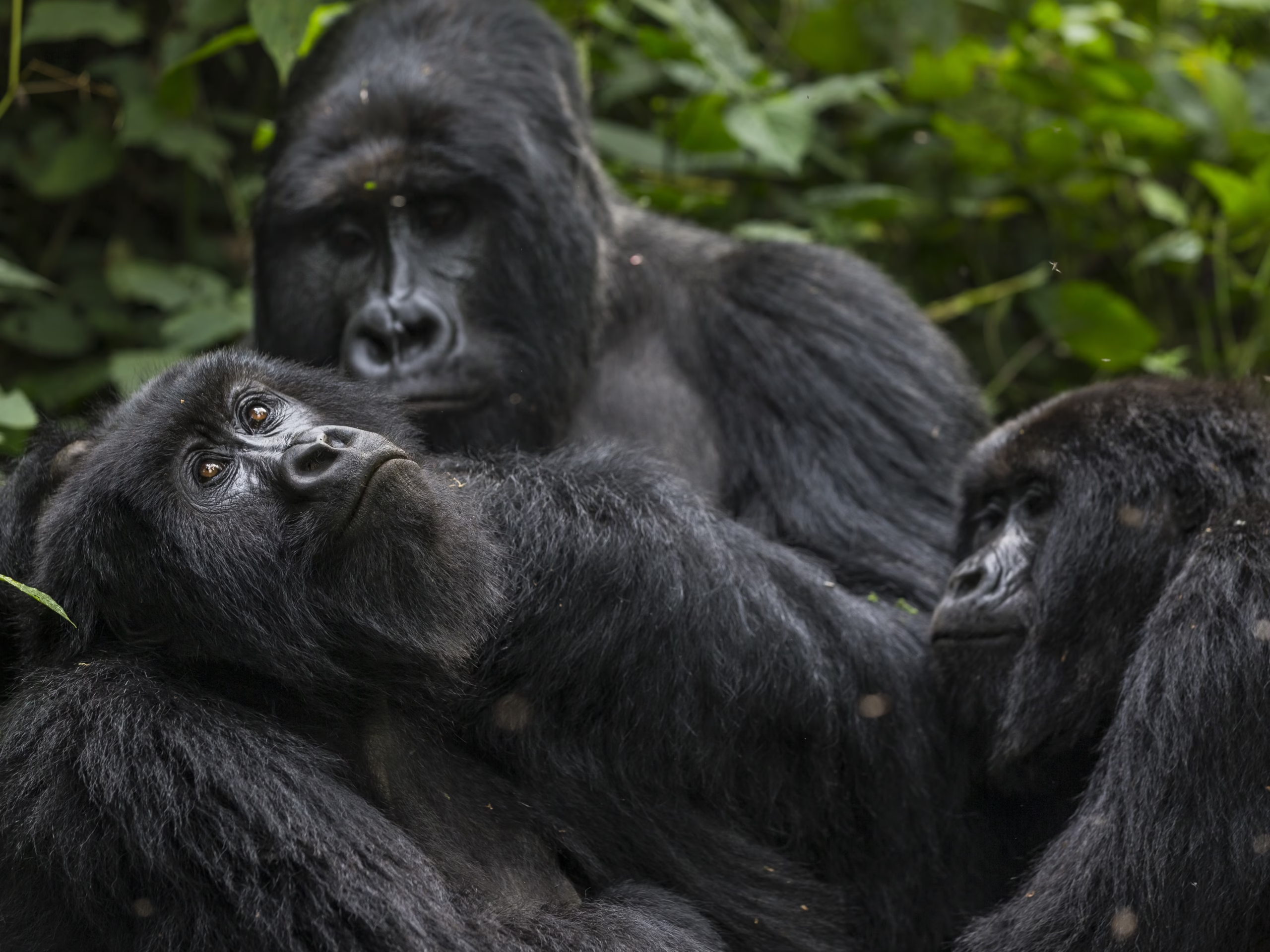
Pregnancy in gorillas is a delicate period during which the mother becomes less active and seeks more protection from the silverback. The mother prepares a quiet, comfortable area for giving birth, often surrounded by her group for safety. The newborn weighs about two kilograms and is completely dependent on its mother for warmth, feeding, and movement.
A mother gorilla carries her baby on her chest for the first few months, allowing the infant to cling to her fur. As the baby grows, it begins to ride on her back and explore the surrounding environment under her watchful eyes. Breastfeeding continues for about three to four years until the young one can find and eat soft vegetation on its own. The long parental care period helps strengthen emotional bonds and ensure survival in the dense forests of Central and East Africa.
The Role of the Silverback in Breeding
The dominant silverback plays a crucial role in maintaining order and ensuring the survival of his offspring. He provides protection from predators and rival males who might attempt to take over the group. The silverback also mediates conflicts within the troop and shows remarkable care toward infants, often allowing them to play around him.
While he mates with multiple females, the silverback ensures that relationships within the group remain stable. Female gorillas stay loyal to him as long as he provides safety and stability. When a new silverback takes over, he may sometimes challenge the existing young ones, but most dominant males protect their troop’s infants as a sign of leadership and care.
Breeding Cycles and Population Sustainability
Female gorillas typically give birth every four to six years due to their extended nursing and parental care. This slow reproductive rate is one reason why gorilla populations are so vulnerable to threats like poaching, habitat loss, and disease. Even small population declines take many years to recover naturally.
Conservation efforts in Uganda, Rwanda, and the Democratic Republic of Congo have been essential in stabilizing gorilla populations. Strict anti-poaching laws, community engagement, and controlled ecotourism have helped ensure that gorillas continue to reproduce safely in their natural habitats.
Conclusion
The reproductive life of gorillas reveals much about their intelligence, tenderness, and strong family bonds. Their mating and courtship behaviors are not simply acts of survival but reflections of trust, communication, and emotional depth. Observing gorillas in their natural environment is a powerful reminder of how closely connected we are to these gentle giants.
If you dream of witnessing gorilla families in their natural habitats—watching mothers care for their infants or seeing the majestic silverback guard his troop Gecko Safaris Africa is here to make it happen. Our expertly guided gorilla trekking tours in Uganda and Rwanda give travelers the chance to experience these remarkable creatures responsibly and up close.
Book your gorilla trekking adventure with us at www.visitrwandagorilla.com and embark on a journey that connects you deeply with nature’s most intelligent primates.