
Ewaffe Cultural Village Uganda – Authentic Cultural Experience Near Kampala
Ewaffe Cultural Village Uganda delivers one of the most engaging cultural experiences near Kampala. Located in Mukono District, this community-driven initiative recreates traditional Ugandan homestead life through architecture, food preparation, storytelling, music, and daily rural practices. The name “Ewaffe” means “our home” in Luganda, and that meaning shapes the entire experience. Visitors do not watch culture from a distance. They step into it, touch it, cook it, dance it, and understand it.
Many travelers visit Uganda for gorilla trekking, chimpanzee tracking, and Big Five safaris. Few take time to explore the traditions that shape the lives of the people who live around those national parks. Ewaffe Cultural Village fills that gap. It introduces you to Uganda’s social systems, family structures, agricultural heritage, and oral traditions in a way that feels natural and educational.
If you want more than wildlife sightings, this cultural experience adds depth and meaning to your Uganda itinerary.
Location and Accessibility
Ewaffe Cultural Village sits about 40 to 50 minutes from Kampala and roughly one hour from Entebbe International Airport, depending on traffic. This short distance makes it ideal for arrival-day or departure-day activities. Many travelers include it before heading to Bwindi Impenetrable National Park, Kibale Forest, or Queen Elizabeth National Park.
The road access remains reliable throughout the year. Safari operators, including Gecko Safaris Africa, organize private transfers with professional guides who introduce the experience before you arrive. Travelers who prefer self-drive arrangements can also reach the village without difficulty.
Its proximity to the capital allows you to combine city exploration with authentic rural culture in a single day.
Traditional Homestead Experience
Ewaffe Cultural Village recreates a functioning rural household using indigenous building techniques and local materials. You walk through grass-thatched huts, granaries, cooking spaces, and livestock enclosures arranged according to traditional clan structures. Every structure carries meaning. The layout reflects family hierarchy, gender roles, and community values that have guided Ugandan society for generations.
Guides explain how families constructed homes using mud, wattle, banana fiber, and thatch. These materials regulate temperature naturally and demonstrate sustainability long before modern eco-tourism discussions began. The architecture does not exist for display. It represents a lifestyle that many Ugandans still practice today.
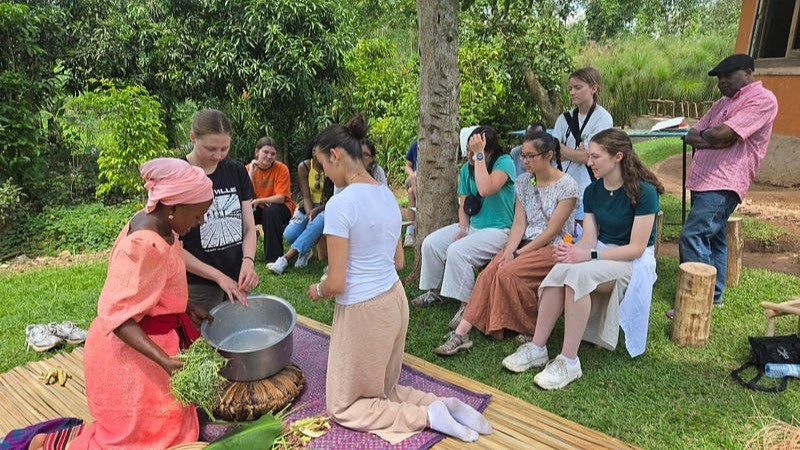
You also participate in daily tasks. You pound millet using wooden mortars, peel matooke, grind groundnuts on stone slabs, and roast coffee beans over firewood. These activities connect you directly to rural food systems. They show how cooperation and shared labor sustain households and strengthen social bonds.
The experience feels practical and grounded. You leave with a clear understanding of how rural families live, work, and organize their communities.
Traditional Food and Culinary Heritage
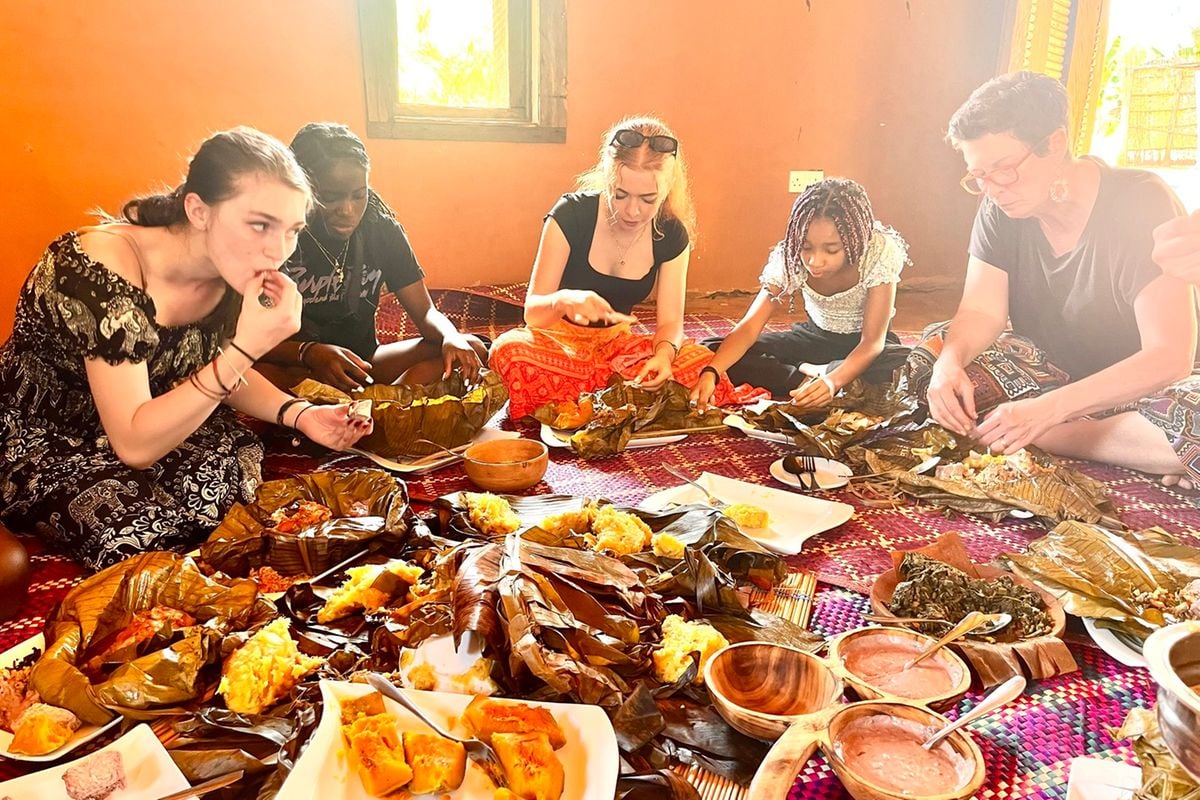
Food anchors Ugandan identity. At Ewaffe Cultural Village, cooking takes center stage as both nourishment and cultural expression. You watch ingredients move from harvest to preparation using traditional tools and open-fire cooking methods.
Matooke, sweet potatoes, cassava, beans, and groundnut sauce form the foundation of most meals. Guides explain why each crop matters economically and socially. They describe how agricultural cycles shape family routines and seasonal celebrations.
You join the preparation process rather than observe from a distance. You peel green bananas, stir sauces, and prepare local vegetables. The communal nature of cooking becomes clear. Food preparation encourages conversation, cooperation, and shared responsibility.
The village also demonstrates traditional coffee roasting. Fresh beans roast slowly over charcoal before guides grind them manually. You taste coffee prepared the traditional way and understand its role in both household consumption and Uganda’s export economy.
Through food, you connect directly to the rhythm of rural life.
Traditional Music and Dance
Music defines celebration, identity, and communication across Uganda’s diverse cultures. At Ewaffe Cultural Village, performers present authentic dances rooted in tribal traditions from different regions of the country.
Drums dominate the rhythm. Skilled drummers demonstrate how specific beats signal weddings, harvest celebrations, royal ceremonies, or community gatherings. You learn that rhythm carries meaning. It communicates emotion and collective identity.
Performers wear traditional attire that reflects clan and regional identity. Each dance tells a story about history, courtship, strength, or unity. The movements feel deliberate and symbolic rather than decorative.
Guests join the performance. You learn simple steps and basic drumming patterns. Participation breaks the barrier between visitor and performer. It transforms the session into a shared cultural exchange.
The music energizes the space and leaves a lasting impression.
Storytelling and Oral Traditions
Storytelling shapes African history and moral education. Elders and guides at Ewaffe Cultural Village share folktales passed down through generations. These stories explain clan origins, animal symbolism, leadership values, and social expectations.
You hear proverbs that emphasize respect, patience, courage, and cooperation. Guides unpack their meanings and show how they still influence modern life in Uganda. The storytelling session does not feel theatrical. It feels personal and reflective.
The village also introduces the structure of Uganda’s clan systems. You learn how clans determine identity, marriage rules, and leadership roles. This knowledge helps you understand community dynamics in both rural and urban settings.
Through oral tradition, you gain insight into the values that hold society together.
Community Impact and Responsible Tourism
Ewaffe Cultural Village operates as a community-based tourism initiative. Local guides, performers, artisans, and farmers benefit directly from visitor contributions. Tourism revenue supports livelihoods while preserving indigenous knowledge.
The project trains young people in cultural arts, music, and storytelling. It encourages pride in heritage rather than abandonment of tradition. By participating in this experience, you contribute to cultural preservation and economic empowerment.
Responsible tourism in Uganda extends beyond wildlife conservation. It includes support for communities who live alongside protected areas and safeguard cultural heritage. Ewaffe Cultural Village demonstrates how tourism can strengthen rather than erode tradition.
Why Include Ewaffe Cultural Village in Your Uganda Safari
Gorilla trekking in Bwindi, chimpanzee tracking in Kibale, and game drives in Queen Elizabeth National Park showcase Uganda’s wildlife richness. Cultural experiences complete the journey. They provide context to the landscapes and communities you encounter during your safari.
After trekking mountain gorillas, many travelers seek deeper understanding of rural life in Uganda. Visiting Ewaffe Cultural Village bridges that gap. It reveals the traditions, agriculture, and social systems that shape communities living near conservation areas.
Combining wildlife and culture creates a balanced itinerary. You witness Uganda’s biodiversity and understand its human heritage in the same journey.
Best Time to Visit
You can visit Ewaffe Cultural Village throughout the year. Activities continue in both dry and green seasons. The dry months from June to September and December to February offer easier road travel and sunny conditions. The rainy seasons from March to May and October to November bring lush surroundings and fewer visitors.
Since many demonstrations occur within sheltered spaces, rainfall rarely disrupts the experience. Timing your visit often depends on your broader Uganda safari schedule.
Plan Your Visit with Gecko Safaris Africa
Gecko Safaris Africa integrates Ewaffe Cultural Village into customized Uganda itineraries that combine wildlife, culture, and comfortable accommodations. Whether you plan a short Kampala extension or a multi-day gorilla trekking safari, adding this cultural experience enriches your journey.
Our team organizes professional transfers, knowledgeable guides, and seamless coordination with national park visits. We design itineraries that balance adventure with cultural immersion while maintaining responsible tourism standards.
Uganda offers extraordinary wildlife encounters. It also offers living traditions that deserve attention. Including Ewaffe Cultural Village in your safari ensures you experience both.