
Day Forest National Park: Djibouti’s Hidden Green Jewel
Amid Djibouti’s arid landscapes, Day Forest National Park rises like a hidden green miracle. Nestled in the Goda Mountains, this protected highland forest is the only true forest ecosystem in the country. Cool air, juniper trees, and wildlife create a striking contrast to the surrounding deserts, making this park one of the most surprising and rewarding destinations in East Africa.
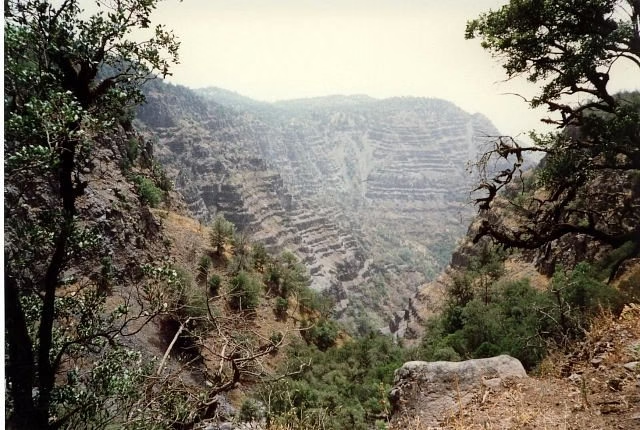
The Lush Heart of Djibouti
Set at an altitude of around 1,500 meters, the park enjoys a cooler, wetter climate. This microclimate allows rare plant species like juniper trees, wild olive, acacias, and fragrant herbs to flourish. The greenery provides an essential habitat for both resident and migratory wildlife. It’s a peaceful sanctuary that feels worlds away from Djibouti’s heat and dry plains.
Hiking in the Goda Mountains
Day Forest is a dream for hikers. Trails wind through rocky slopes, terraced hills, and thick patches of trees. The higher you go, the wider the views—offering stunning panoramas of the Gulf of Tadjoura, Lake Assal, and the surrounding volcanic plateaus. The terrain challenges and rewards in equal measure.
Local guides from the Afar and Issa communities often accompany hikers, sharing knowledge about the land, its healing plants, and cultural history. Whether you’re a seasoned trekker or a casual walker, this forest offers a range of routes to match your pace.
Birdwatching and Wildlife Encounters
Birdlife thrives in this lush environment. Species like the Djibouti francolin, a critically endangered bird found nowhere else on earth, draw birders from around the world. You’ll also spot sunbirds, bulbuls, and Egyptian vultures. The quiet trails and natural water sources attract mammals such as gazelles, warthogs, and possibly even hyenas after dark.
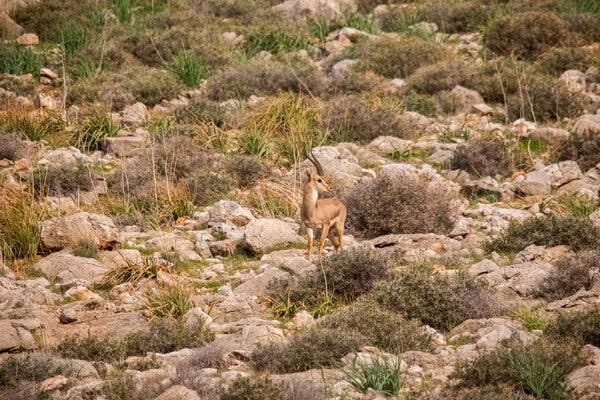
The forest hums with life. Butterflies flit across trails. Lizards dart between stones. Every step reveals nature’s persistence in this unlikely oasis.
Afar Culture and Local Villages
The communities living around Day Forest are mostly Afar pastoralists, known for their rich traditions and resilience in tough environments. Visiting nearby villages offers a deeper connection to the land. You’ll learn about traditional homesteads, oral storytelling, herding customs, and how people coexist with the fragile forest ecosystem.
Local hospitality often includes tea, stories, and songs under the shade of trees. It’s an enriching part of the Day Forest experience.
Camping and Eco-Tourism Potential
Rustic campsites sit near the forest edge, allowing travelers to experience sunrise in the mountains or stargaze under clear night skies. There’s growing interest in eco-tourism, with community-run lodges and trekking tours helping support conservation and local incomes.
The park’s remoteness protects it—but also limits infrastructure. Visitors should travel with guides, prepare for simple conditions, and embrace the wild beauty.
How to Access Day Forest National Park
Most visitors start their journey from Tadjoura or Djibouti City, with a 4×4 vehicle recommended for the steep, rough roads. The drive up into the Goda Mountains offers scenic views, and you’ll likely pass herds of goats, camels, and traditional Afar settlements.
Dry season, from October to March, offers the best weather for trekking and wildlife viewing.
Why Day Forest Matters
In a region dominated by salt flats and volcanic formations, Day Forest stands as a symbol of resilience. It holds cultural meaning for locals, ecological importance for wildlife, and quiet adventure for travelers. Every step under its trees reveals a different side of Djibouti—one of life, shade, and deep-rooted harmony between nature and people.
Plan Your Visit with Us
At VisitRwandaGorilla.com, we specialize in East African adventures beyond the ordinary. From Ethiopia’s Simien Mountains to Djibouti’s Day Forest and Lake Assal, we tailor cross-border trips for curious explorers.
👉 Contact us today to include Day Forest in your Djibouti itinerary.