
Cultural Tours in Tanzania—Experiences and Heritage
Tanzania is a country rich in both natural beauty and cultural diversity. With over 120 ethnic groups, travelers can explore traditions, rituals, and lifestyles that have been preserved for generations. From the Maasai warriors of the savannah to Swahili traders along the coast, cultural tours offer a deep insight into Tanzania’s heritage while complementing wildlife and adventure tourism.
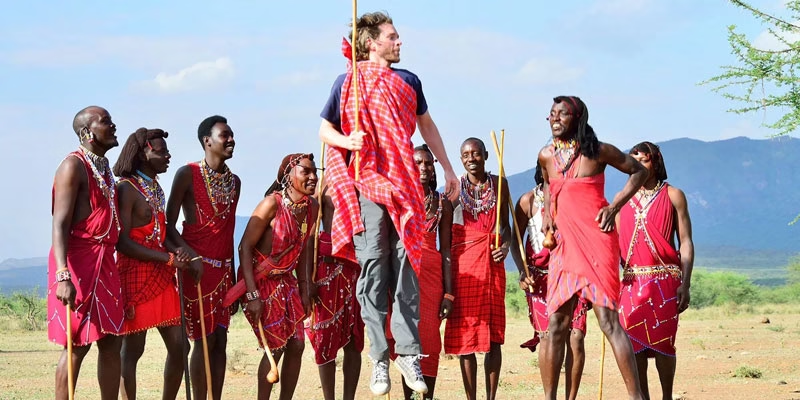
Maasai Village Visits
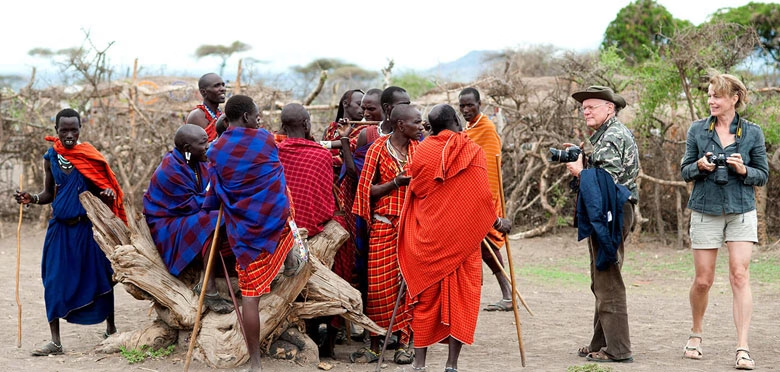
Maasai villages near Serengeti and Ngorongoro Crater allow travelers to witness the vibrant lifestyle of this iconic group. Visitors can observe traditional dances, learn about beadwork and attire, and participate in daily activities like herding cattle or building homes. These visits provide a close-up understanding of Maasai customs, hospitality, and resilience in the savannah.
Hadzabe and Datoga group
Around Lake Eyasi, the Hadzabe and Datoga communities offer a unique glimpse into hunter-gatherer and pastoral lifestyles. The Hadzabe continue to hunt and gather using ancestral techniques, while the Datoga showcase traditional blacksmithing and metalwork. Touring these group provides insight into sustainable living practices and the cultural heritage of Tanzania’s northern regions.
Swahili Culture in Zanzibar
Zanzibar is steeped in Swahili culture, blending African, Arab, and colonial influences. Cultural tours here include exploring Stone Town’s winding streets and historic architecture, visiting spice farms to see cloves and vanilla, and learning about the island’s trade history. These experiences offer travelers a mix of history, culture, and sensory delights unique to coastal Tanzania.
Chaga and Pare people of Kilimanjaro
The Chaga and Pare people live around the slopes of Mount Kilimanjaro, maintaining agricultural and communal traditions. Visitors can explore coffee farms and participate in village walks to see traditional cultivation methods, understand local social structures, and experience daily life. These tours provide a meaningful connection to Tanzania’s highland communities.
Local Markets and Culinary Experiences
Tanzania’s markets are vibrant spaces where culture comes alive. Travelers can taste local dishes such as Ugali, Nyama Choma, and Pilau while observing traditional craft-making and textile weaving. Market visits offer a hands-on understanding of daily life, commerce, and culinary traditions across the country.
Traditional Music and Dance
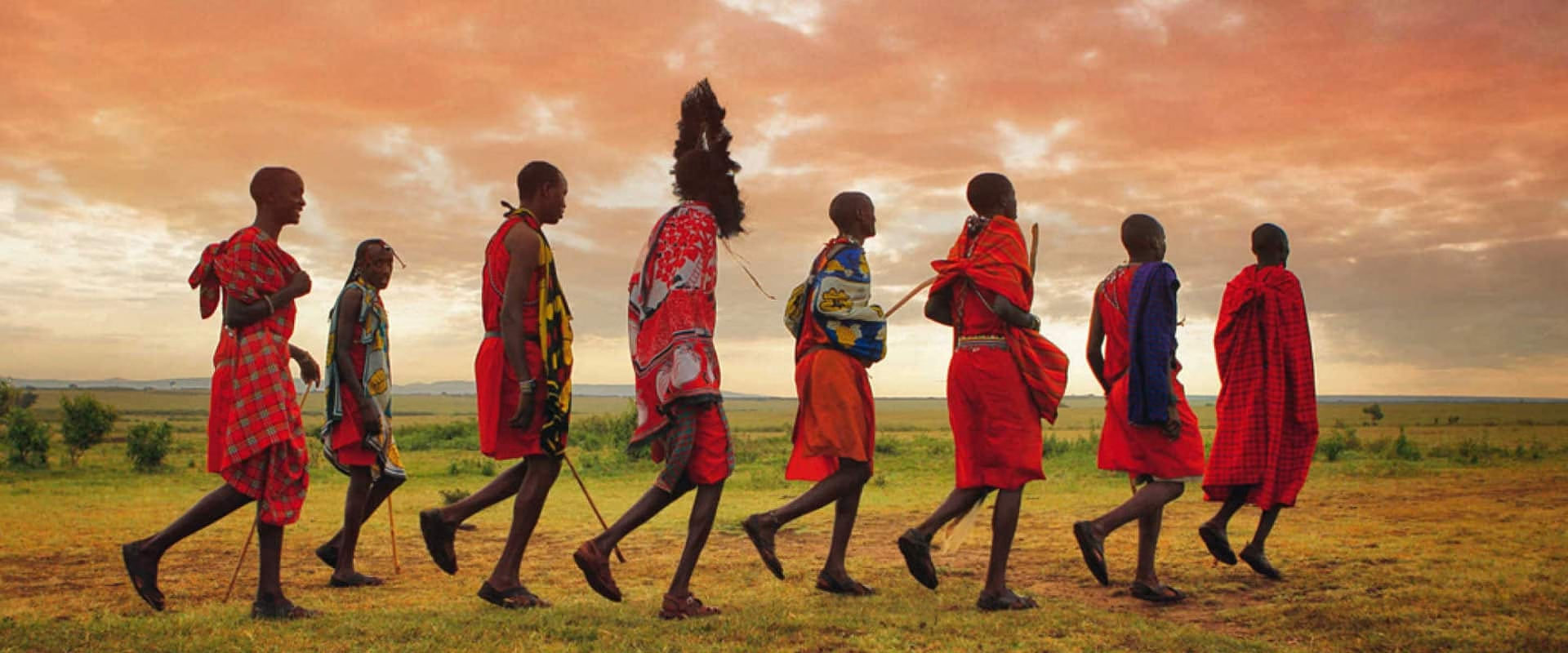
Traditional performances are central to cultural tours, often including Maasai jumping dances, Ngoma drumming, and local storytelling. These music and dance sessions preserve history, convey moral lessons, and provide travelers with an immersive experience of Tanzania’s diverse artistic heritage.
Tips for Cultural Tours
When visiting villages or sacred sites, travelers should dress modestly and respectfully, ask permission before taking photographs, and hire local guides to gain authentic insights. Combining cultural tours with safaris or beach trips maximizes the experience and supports community livelihoods.
Best Time for Cultural Tours
Cultural tours can be enjoyed year-round, but the dry seasons from June to September and December to February are ideal for visiting remote villages. Festivals and ceremonies during these months offer even more immersive experiences.
Conclusion
Tanzania’s cultural tours go beyond sightseeing—they allow travelers to connect with communities, traditions, and heritage that define the nation. From Maasai warriors to Swahili traders and highland farmers, these experiences enrich any travel itinerary and provide a meaningful understanding of Tanzania’s people.