
Cultural Attractions in Rwanda
Cultural attractions Rwanda. Rwanda is not only known for its gorillas and stunning landscapes but also for its vibrant culture and rich heritage. Cultural tourism allows visitors to connect with Rwanda’s history, traditions, and daily life. From museums that preserve the past to traditional villages and live performances, the country offers a range of experiences that immerse travelers in its heritage.
Kigali Genocide Memorial
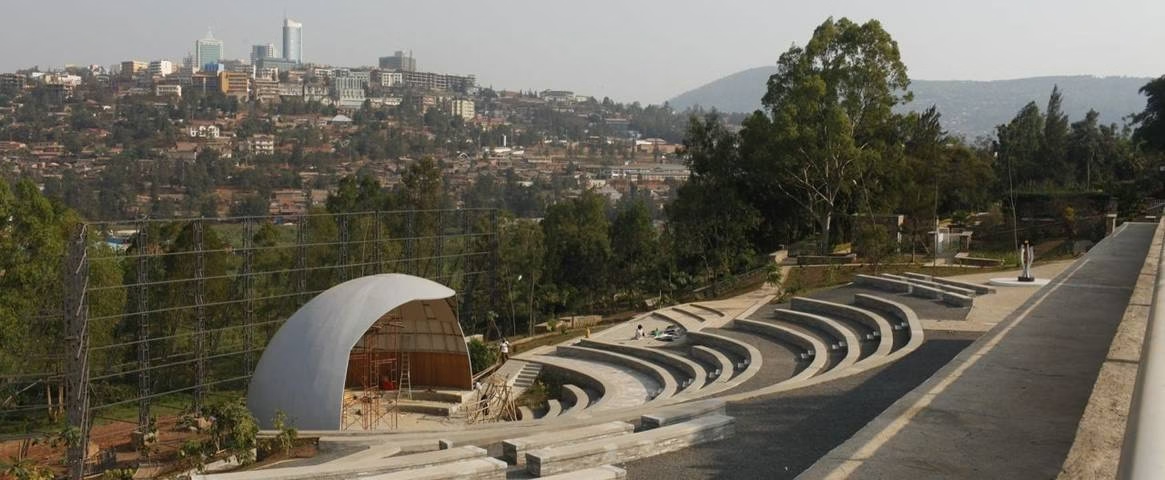
The Kigali Genocide Memorial is Rwanda’s most important historical site. It commemorates the victims of the 1994 genocide against the Tutsi and educates visitors about the events leading up to it. The memorial combines museum exhibits, personal stories, and preserved mass graves to create a powerful, reflective experience. Guided tours help visitors understand Rwanda’s journey of reconciliation and peacebuilding, making it a deeply moving cultural experience.
Nyanza Royal Palace and Museum
Located in Nyanza, the former royal capital, the Rwanda Art Museum and Royal Palace showcases the history of the Rwandan monarchy. Visitors can explore the reconstructed traditional palace of the last king, King Mutara III Rudahigwa, and learn about royal traditions, clothing, and governance. The museum also features art exhibits and historical artifacts that highlight Rwanda’s rich pre-colonial heritage.
Ethnographic and Cultural Villages
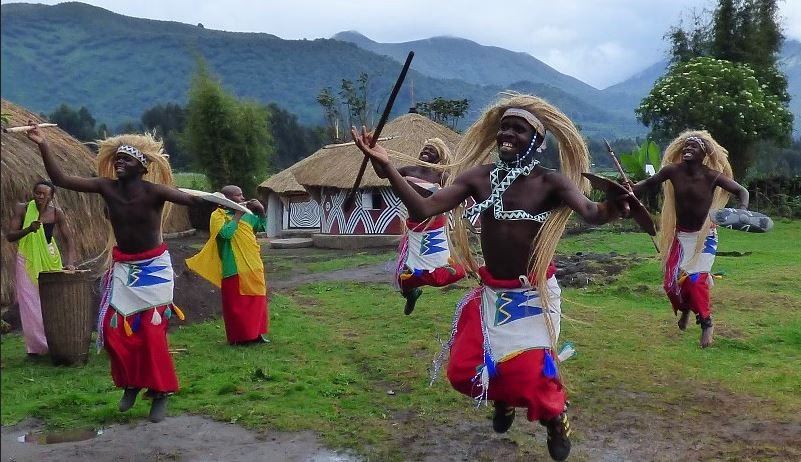
Rwanda’s cultural villages, such as Iby’iwacu Cultural Village near Volcanoes National Park, offer immersive experiences in traditional life. Visitors can participate in cooking demonstrations, music and dance performances, and craft-making sessions. These villages are run in collaboration with local communities, ensuring authentic interaction while supporting sustainable tourism. Tourists leave with a deeper understanding of Rwandan customs, daily life, and community values.
Traditional Music and Dance
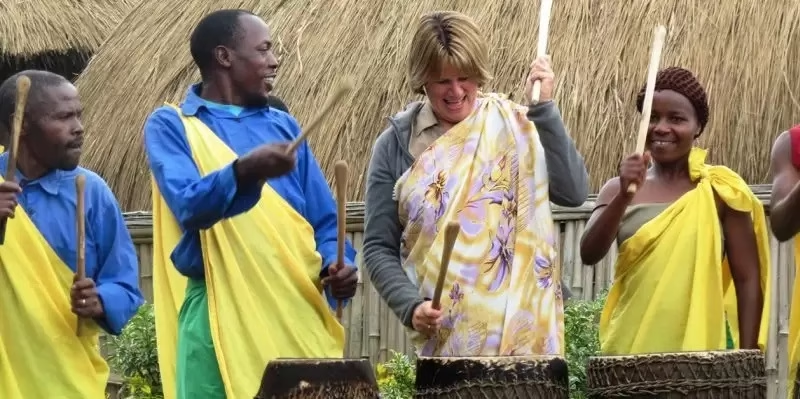
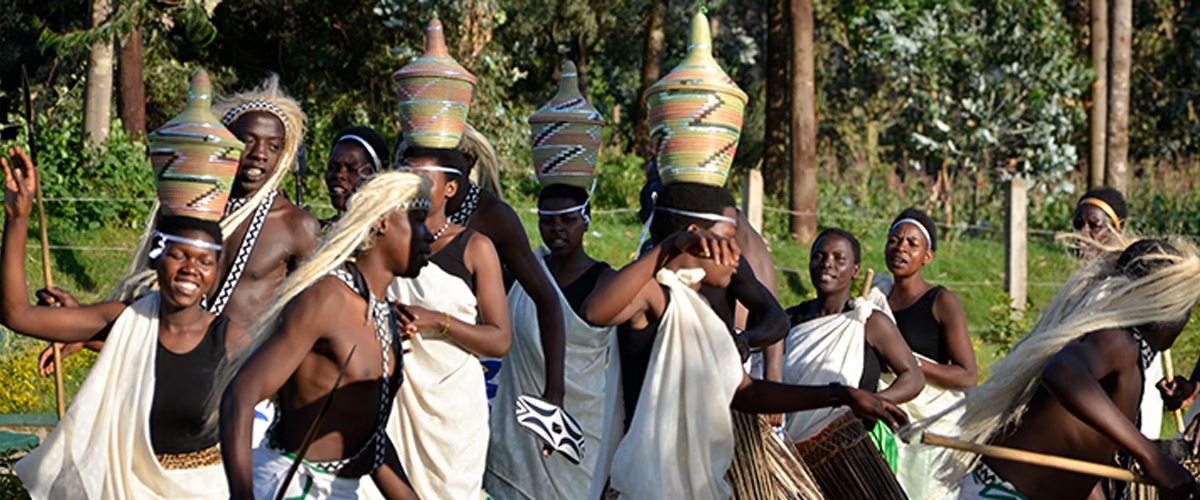
Music and dance are central to Rwandan culture. Visitors can attend performances featuring intore dancers, known for their graceful movements and colorful costumes. Traditional drums, called ingoma, provide rhythm and energy during cultural shows. Many hotels, cultural centres, and villages host regular performances, allowing tourists to experience Rwanda’s expressive storytelling through song and dance.
Local Crafts and Markets
Rwanda’s craft markets are vibrant hubs for traditional arts. Visitors can purchase woven baskets, pottery, paintings, and jewelry, often made by local artisans using natural materials. Markets in Kigali, Nyanza, and near tourist sites allow travelers to support local communities while bringing home authentic souvenirs. Artisans are often happy to demonstrate techniques, adding an educational dimension to shopping.
Community-Based Experiences
Rwanda encourages community-based tourism, which gives visitors hands-on interaction with local life. Travelers can stay in homestays, participate in farming or cooking activities, and attend storytelling sessions led by elders. These experiences foster cultural exchange, provide income for local families, and allow tourists to experience Rwanda beyond museums and performance stages.
Visiting Tips for Cultural Tourism
- Respect local customs and dress modestly when visiting villages and cultural centres.
- Take guided tours where available to gain context and accurate information.
- Ask permission before photographing people in traditional communities.
- Support local artisans and community projects by purchasing directly from them.
- Allocate at least half a day for major cultural sites like the Kigali Genocide Memorial or royal palaces to fully absorb the experience.
Conclusion
Rwanda’s cultural attractions offer travelers a rich and immersive journey into the country’s heritage. From poignant memorials and royal history to music, dance, and hands-on village experiences, cultural tourism in Rwanda provides insight into its people, traditions, and history. Whether visiting museums, attending performances, or engaging with communities, cultural exploration complements Rwanda’s natural wonders for a truly holistic travel experience.