
Cheetah vs Leopard: Understanding the Differences
Cheetah vs Leopard. At a quick glance, cheetahs and leopards may appear similar—both are big cats with spotted coats and a stealthy presence on the African savannah. However, these two predators are remarkably different in appearance, behavior, habitat, and hunting technique. Whether you’re preparing for a safari or simply want to understand Africa’s most iconic cats better, this guide breaks down the differences between cheetahs and leopards.
Appearance: Spot the Difference
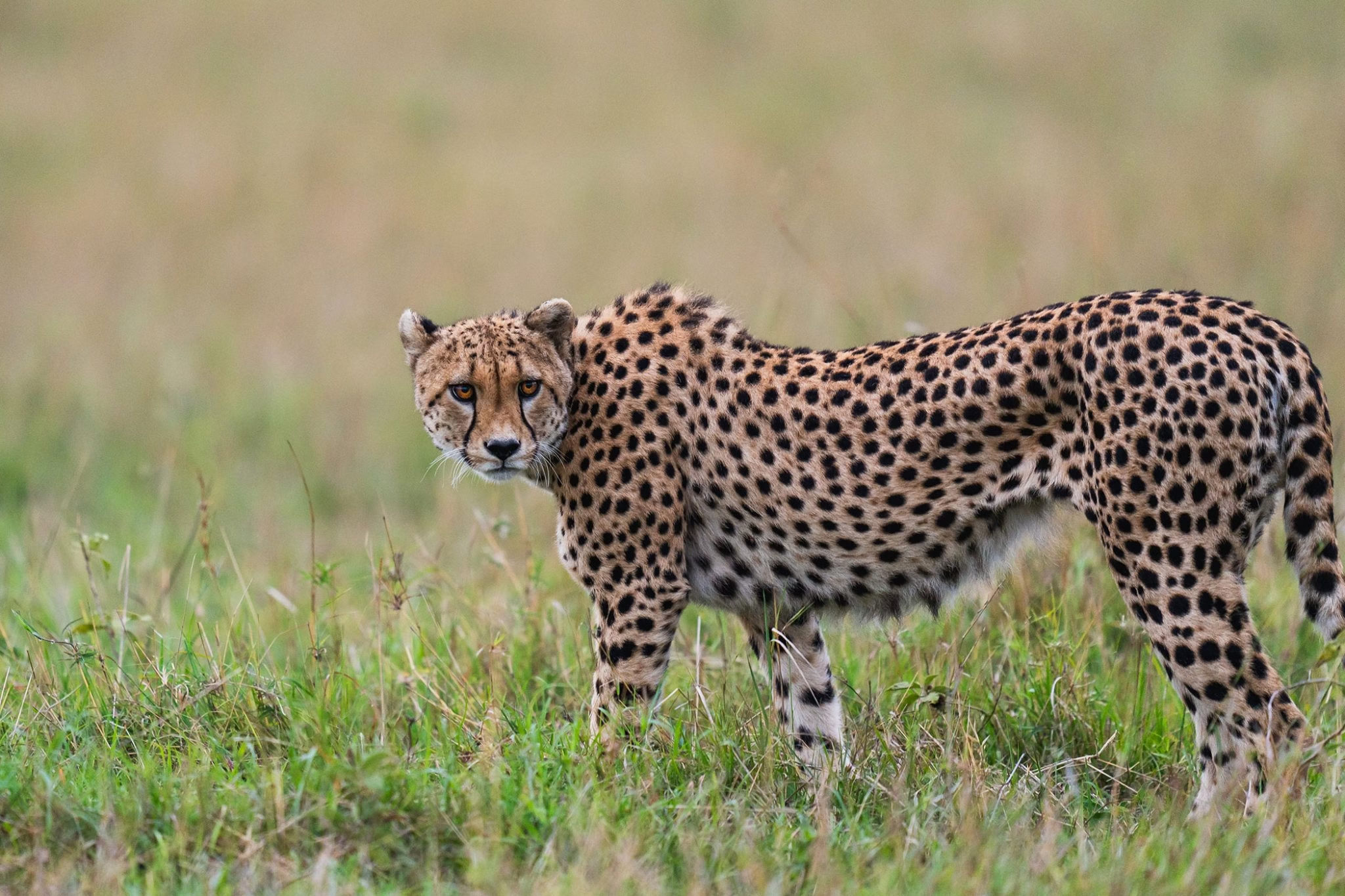
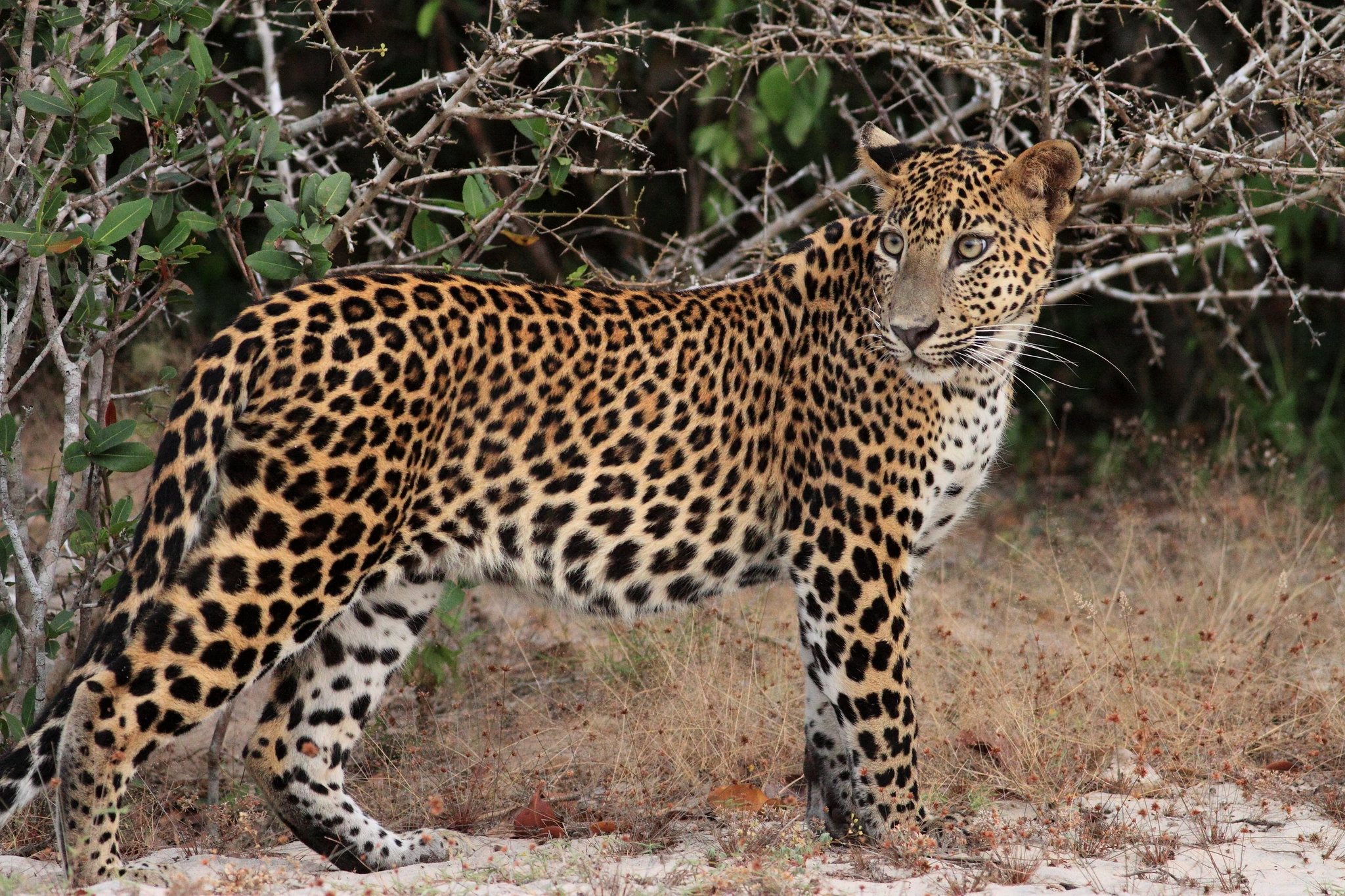
- Cheetah: Cheetahs have slender, aerodynamic bodies built for speed. Their coats feature solid black round spots. The most distinctive facial feature is the pair of black “tear marks” running from the eyes to the mouth—these help reduce glare during high-speed chases.
- Leopard: Leopards are more muscular and stocky. Their coats have rosette-shaped spots (clusters of black spots forming a circle) on golden-yellow fur. They lack tear marks and have a broader head and stronger build.
Speed and Hunting Strategy
- Cheetah: The fastest land animal, cheetahs can sprint up to 112 km/h (70 mph) in short bursts. They rely on speed and sight, often hunting during the day in open grasslands. Cheetahs sprint down prey like impala and gazelles with precision timing.
- Leopard: Leopards are stealth predators. They stalk their prey and rely on a powerful pounce or ambush, often at night. Leopards are climbers—they drag kills into trees to protect them from scavengers.
Habitat and Range
- Cheetah: Prefer open plains and savannahs where they can chase prey at full speed. You’ll commonly find cheetahs in protected areas in Namibia, Botswana, Kenya, and Tanzania.
- Leopard: Highly adaptable, leopards thrive in savannahs, forests, mountains, and even urban edges. Their range is broader, and they are found across most of sub-Saharan Africa and parts of Asia.
Behavior and Social Structure
- Cheetah: Typically solitary, especially females. Males may form small coalitions, usually with their brothers. Cheetahs avoid confrontation and abandon kills if threatened by larger predators.
- Leopard: Also solitary, but far more aggressive and territorial. Leopards confidently defend their range and can fight to keep intruders away. They are silent, elusive, and incredibly powerful for their size.
Vocalization
- Cheetah: Do not roar. They produce high-pitched chirps, purrs, growls, and hisses. Chirping is especially used by mothers to communicate with cubs.
- Leopard: Can roar, though their call is more of a rasping cough. They also grunt, hiss, and growl with a deeper and more intimidating tone than cheetahs.
Conservation Status
- Cheetah (Vulnerable): With fewer than 7,000 individuals left in the wild, cheetahs face threats from habitat loss, human-wildlife conflict, and inbreeding due to isolated populations.
- Leopard (Vulnerable, some subspecies Endangered): Leopards are more numerous than cheetahs but face poaching for their skins and body parts, along with habitat fragmentation and retaliatory killings.
Plan Your Safari to See Cheetahs and Leopards
Seeing a cheetah sprint or a leopard resting in a tree are highlights of any African safari. Here’s where to look:
- Cheetah Hotspots:
- Serengeti National Park (Tanzania): Open plains ideal for cheetah chases.
- Masai Mara (Kenya): Offers high chances to witness cheetah hunts.
- Central Kalahari (Botswana): Fewer tourists, more wildlife interactions.
- Leopard Hotspots:
- Sabi Sands (South Africa): Best leopard sightings on the continent.
- Luangwa Valley (Zambia): Night drives reveal leopard activity.
- Lake Nakuru and Samburu (Kenya): Great for photography of tree-climbing leopards.
To increase your chances of seeing both cats, choose parks that offer both grasslands and riverine forest. Book guided safaris with experienced trackers who know the cats’ territories and movement patterns.
Final Thought
While both cheetahs and leopards are apex predators with beautiful coats and killer instincts, they thrive through completely different strategies. Cheetahs rely on unmatched speed and agility, while leopards succeed with stealth, strength, and adaptability. Knowing their differences enhances your appreciation—and makes your wildlife encounters more meaningful.