
Causes of Wildlife Loss in Bwindi Impenetrable National Park
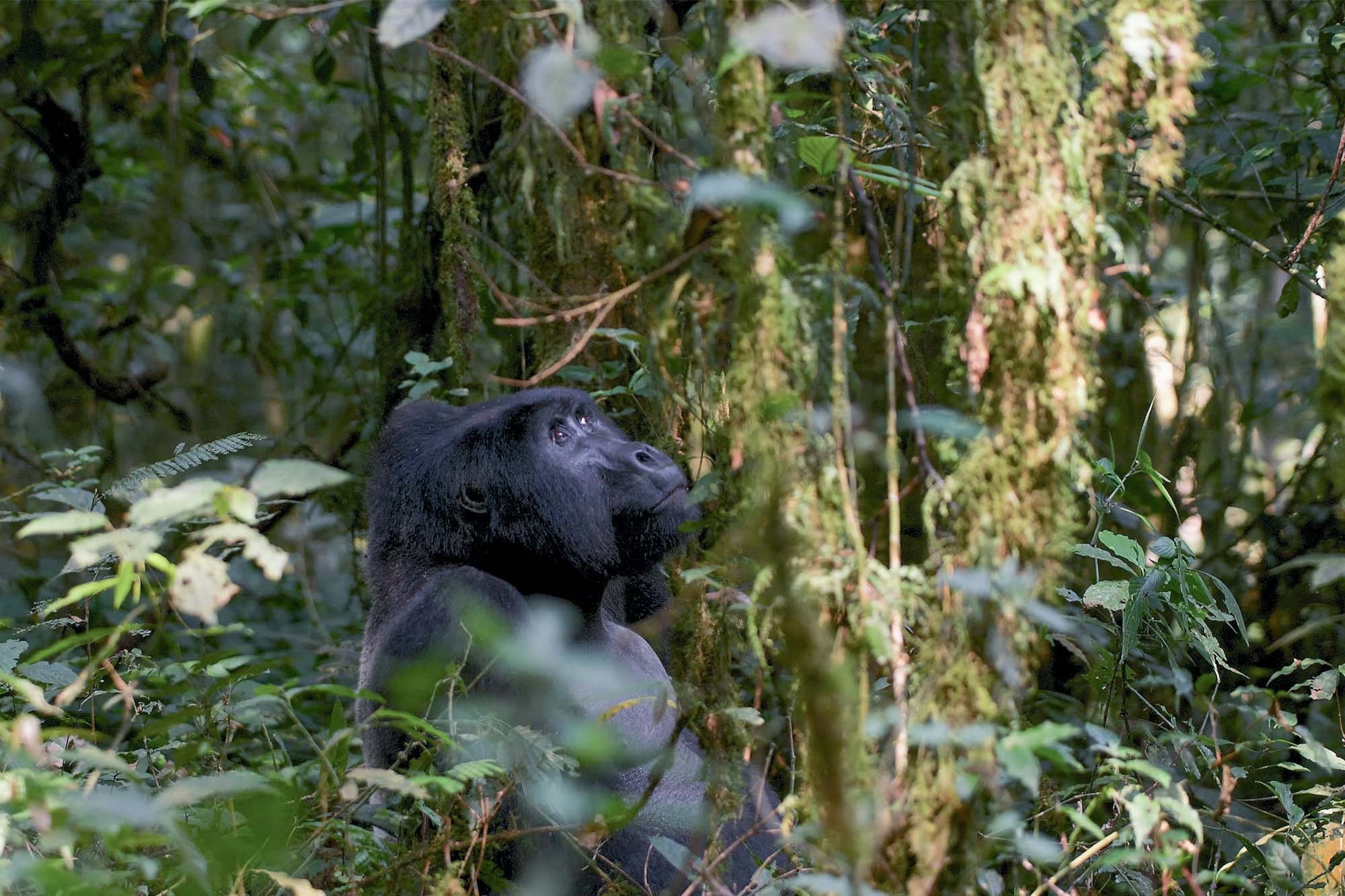
Wildlife loss in Bwindi. Bwindi Impenetrable National Park holds some of Africa’s richest biodiversity. It shelters mountain gorillas, forest elephants, and hundreds of bird species. Despite its protected status, the park faces serious threats. These threats continue to reduce wildlife populations.
Habitat Loss and Encroachment
People living around Bwindi rely on land for survival. They grow crops, cut firewood, and graze animals. As the population grows, people move closer to the forest. Some clear land for farming. Others build homes or gather materials inside the park.
These actions reduce forest cover. Animals lose feeding grounds and shelter. Some species move deeper into the park. Others vanish from the area.
Poaching and Illegal Hunting
Hunters target bush pigs, duikers, and small mammals for meat. Some use snares and traps. These traps sometimes injure or kill gorillas. Others hunt with dogs or fires.
Poaching reduces prey populations. It disrupts predator feeding patterns. Fire destroys large sections of forest. Even low-level hunting causes long-term damage.
Human-Wildlife Conflict
Wild animals often leave the forest and enter farms. Elephants destroy crops. Baboons raid gardens. Farmers react with anger.
Some chase animals with fire or noise. Others use poison or set traps. These actions harm wildlife. They also create fear and hate between communities and park officials.
Disease Transmission from Humans
Tourism brings people close to gorillas and chimpanzees. These primates can catch human diseases. Flu, coughs, and other viruses spread quickly among apes.
Sick tourists or guides pose a threat. Even one infected person can start an outbreak. Illnesses kill gorillas. Trekking rules like mask-wearing and distancing help reduce the risk.
Deforestation and Forest Use
Many locals depend on forest resources. They cut trees for firewood. Others collect herbs, fruits, and poles.
Frequent collection changes the forest structure. Trees disappear. Underbrush becomes thin. Animals lose places to hide, rest, and nest. The forest becomes less suitable for wildlife.
Weak Law Enforcement
Park rangers face many challenges. Some lack proper tools and transport. Others cover large areas with few resources.
This makes it hard to stop illegal activities. Poachers and encroachers take advantage. They act freely in remote zones. Without strong patrols, wildlife faces greater risk.
Protecting Bwindi’s Wildlife
Bwindi still offers hope. Gorilla tourism brings funds for protection. Community programs give locals a reason to protect the forest. Conservation groups train rangers and support research.
Every visitor plays a part. Tourists must follow rules. Local leaders must support protection efforts. Communities must see wildlife as a source of pride, not conflict.
Wildlife loss in Bwindi affects all of Uganda. Saving the park protects nature, culture, and future generations.