
Bukurungu Trail.
The Bukurungu Trail leads you deep into the untouched corners of the Rwenzori Mountains. Opened in 2018 through a partnership between the Uganda Wildlife Authority and WWF, it remains one of Uganda’s least-traveled but most rewarding trekking routes. The trail cuts across remote valleys, glacial lakes, alpine ridges, and lush forests—untouched by crowds.
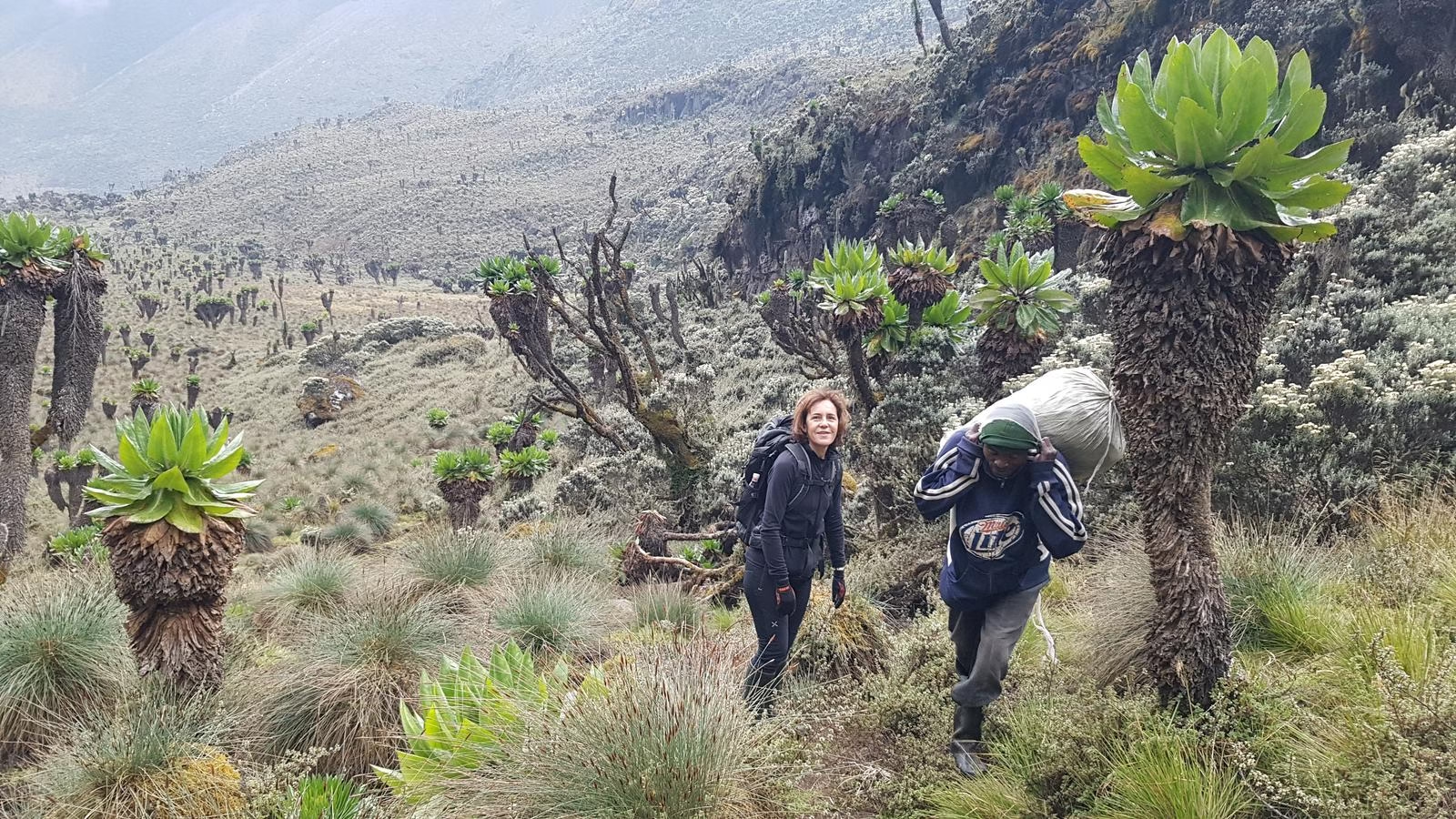
Where the Trail Begins
The trek starts at Kasanzi Park Gate in Omukorukumi, a remote entrance to the north of Rwenzori Mountains National Park. From here, hikers journey through high-altitude ecosystems, ending at Mihunga Gate near Nyakalengijo.
Expect 7 to 10 days of pure wilderness.
What Makes It Unique
Diverse Altitudes and Ecosystems
The trail climbs through five vegetation zones:
- Tropical montane forest
- Bamboo forest
- Heather and mossy zones
- Alpine meadows
- Moorlands and glacial terrain
Alpine Lakes and Campsites
Trekkers camp near pristine lakes, including
- Lake Bukurungu
- Lake Mughuli
- Lake Bujuku
- Lake Irene
Each lake mirrors jagged peaks and open skies. Campsites remain basic but peaceful—ideal for wilderness lovers.
Rare Wildlife and Birds
The forest hums with life. Spot colobus monkeys, blue monkeys, or signs of chimpanzees. Birders may catch sight of the Rwenzori turaco, handsome francolins, and colorful sunbirds.
Cultural Heritage
The trail traverses Bakonzo land. Along the way, guides share stories tied to sacred peaks and ancestral worship. This mountain range is not just a landscape—it holds spiritual weight for the locals.
Sample 8-Day Itinerary
Day 1: Kasanzi Gate → Rwigho Camp (through dense forest)
Day 2: Rwigho → Kambeho Camp (enter bamboo zone, 3,700m)
Day 3: Kambeho → Mughuli Camp (views of Lake Mughuli)
Day 4: Mughuli → Bukurungu East Camp (camp near Lake Bukurungu)
Day 5: Bukurungu → Bujuku Camp (alpine bogs and moorland)
Day 6: Explore Bujuku Valley or summit nearby peaks
Day 7: Descend to Bigo Camp
Day 8: Exit through Mihunga Gate via Nyabitaba
Itineraries can expand or shorten depending on your goals. Those with technical skills can connect to the Central Circuit and attempt Margherita Peak (5,109m).
When to Go
The best time to hike the Bukurungu Trail falls within the dry seasons:
- June to August
- December to February
During these months, trails remain passable and skies often clear for better views.
What to Pack
You need to come prepared. Bring:
- Waterproof boots and warm gear
- Sleeping bag and tent
- Rain jacket and gaiters
- Purification tablets or a filtration system
- High-energy snacks
- Trekking poles
Guides and porters carry group gear, but each hiker must carry personal essentials.
Permits and Booking
Book your trek through the Uganda Wildlife Authority (UWA) or a licensed tour operator. A guide and porter are required. Park fees and trail permits apply.
Kasese town acts as your base. From there, operators drive trekkers to Kasanzi Gate (about 2 hours).
Combine with Other Experiences
Before or after your trek, add these nearby highlights:
- Kibale Forest: Go chimpanzee tracking
- Queen Elizabeth National Park: Enjoy game drives and boat safaris
- Semuliki National Park: Visit hot springs and spot rare bird species
- Kinyampanika Trail: Take a short hike near Fort Portal
- Kazingo Trail: Explore panoramic viewpoints and cultural trails
Plan Your Safari or Trek
The Bukurungu Trail is not for the faint-hearted. It’s wild, remote, and physically demanding. But for those who seek solitude, dramatic scenery, and rich biodiversity, it offers one of East Africa’s most rewarding trekking experiences.
Whether you are a seasoned mountaineer or a curious explorer, this trail will test you—and reward you—with landscapes few others have seen.
Let Uganda’s untouched side change your perspective.