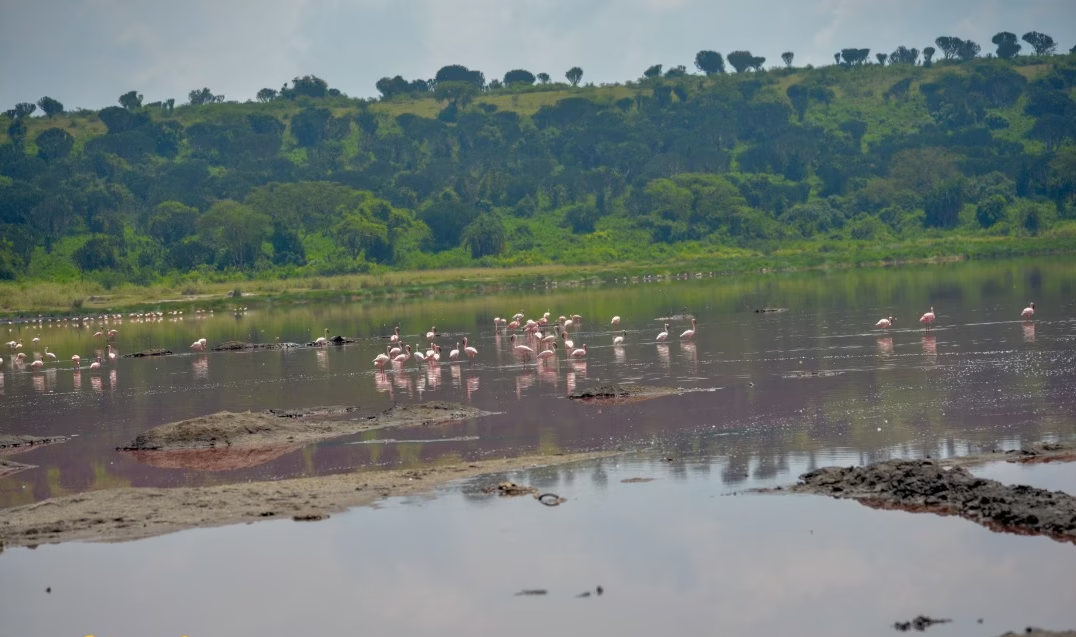

Where to see flamingos in Uganda
Where to See Flamingos in Uganda: A Birdwatcher’s Guide
Where to see flamingos in Uganda. Uganda is famous for gorillas, chimpanzees, and the mighty Nile. But few know it’s also home to elegant flamingos, especially the Lesser Flamingo. These bright pink birds are usually linked to Kenya’s Lake Nakuru or Tanzania’s Lake Natron. Yet, Uganda’s western crater lakes quietly host flocks of these birds during specific months.
If you are a birdwatcher or a traveler seeking rare wildlife, here’s where to find flamingos in Uganda—and when to go.
Why Flamingos Come to Uganda
Flamingos love saline and alkaline lakes. These waters are rich in algae and small crustaceans—perfect flamingo food. In Uganda, several crater lakes and salt pans offer these conditions. Most flamingos seen here are Lesser Flamingos, known for their bright pink feathers and black-tipped beaks.
They migrate from larger flamingo breeding sites like Lake Natron and Lake Nakuru, especially during Uganda’s dry season.
-
Lake Munyanyange – Uganda’s Flamingo Hotspot
Located northeast of Katwe town in Queen Elizabeth National Park, Lake Munyanyange is the most reliable place to see flamingos in Uganda. It’s a shallow crater lake with high salinity, making it perfect for thousands of Lesser Flamingos.
From October to April, flamingos arrive in large numbers. You can often see flocks wading through the still waters, feeding and preening.
Tip: Visit early morning for the best light and fewer disturbances.
-
Lake Katwe – Salt, Scenery, and Flamingos
Also within Queen Elizabeth National Park, Lake Katwe is better known for its salt mining. But between the salt pans and shallow edges, you’ll spot Lesser Flamingos from time to time, especially in the drier months.
Here, you can enjoy both a cultural salt mine tour and a quick look at the birdlife. It’s a great two-in-one stop for travelers.
-
Lake Bunyampaka – Scenic Birding in Kasenyi Plains
This smaller lake lies within the Kasenyi sector of Queen Elizabeth. Though not as famous as Munyanyange, it occasionally attracts flamingos, especially when water levels drop.
What makes Lake Bunyampaka unique is its setting—you can spot flamingos with Uganda kob and buffalo in the background.
-
Lake Bagusa and Lake Nshenyi – Remote Crater Lakes
In the Rubirizi District, both Lake Bagusa and Lake Nshenyi are lesser-known but ideal for travelers seeking off-the-beaten-path birding. These lakes are quiet, surrounded by forested hills, and attract flamingos during seasonal migrations.
Pack binoculars and prepare for a peaceful visit.
-
Lake Nyamunuka – Near Kabatoro Gate
Close to the Kabatoro entrance gate of Queen Elizabeth National Park, Lake Nyamunuka is an inland salt lake that sometimes hosts flamingos. It’s also known for scenic views and other waders like stilts and plovers.
You can pair this visit with a drive through the park’s northern tracks.
-
Lake Maseche – Hidden Flamingo Viewpoint
On the edge of the Kamwenge District, Lake Maseche is another saline crater lake where Lesser Flamingos have been observed. Though sightings are less predictable, it’s still worth a visit if you’re exploring the crater region of western Uganda.
Best Time to See Flamingos in Uganda
The optimal time to see flamingos is from October to April. This is Uganda’s dry season, when:
- Water levels are low
- Salinity rises
- Food sources concentrate
- Flamingos migrate south from Kenya and Tanzania
Avoid May to August, when rains raise water levels and reduce visibility.
Tips for Birdwatching Flamingos in Uganda
- Use binoculars or a zoom lens—flamingos often stay far from shore
- Be quiet and patient—flamingos are shy and fly away if startled
- Hire a birding guide—local experts know where the birds are best spotted
- Combine your visit with a safari—Queen Elizabeth National Park offers lions, elephants, and hippos nearby
More Birds to See Nearby
Uganda is a birding haven with over 1,000 species. While searching for flamingos, you may also see:
- African Fish Eagles
- Grey Crowned Cranes
- Shoebills (in nearby wetlands)
- Bee-eaters, Kingfishers, and Weavers
Bring your checklist—flamingos are just the beginning.
Final Thoughts
Flamingos may not be the first thing that comes to mind when you think of Uganda, but their seasonal presence adds another layer to the country’s incredible biodiversity. From salty crater lakes to peaceful birdwatching spots, western Uganda delivers a unique flamingo experience away from the crowds of East Africa’s bigger parks.