
Visit Rwanda Gorilla > Blog > gorillas > Gorilla trekking > What is the most aggressive type of gorilla?
- Gecko Safaris
- No Comments
What is the most aggressive type of gorilla?
What is the most aggressive type of gorilla?
Gorillas are often perceived as peaceful, gentle giants, but like any wild animal, they can exhibit aggression, particularly when threatened or protecting their group. Among the different species of gorillas, there are distinct behavioral patterns that can be seen in their level of aggression, with some being more territorial or dominant than others.
The Most Aggressive Gorilla Species
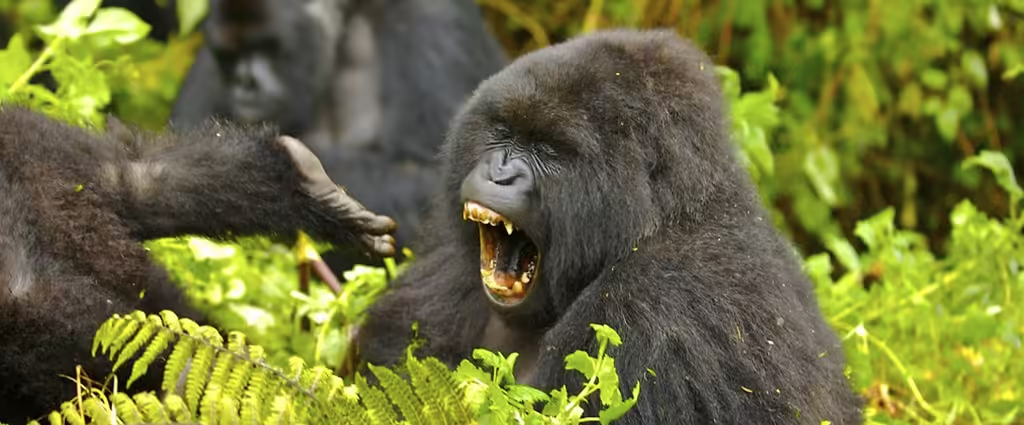
When it comes to gorilla aggression, the mountain gorilla (Gorilla beringei beringei) is often regarded as the most aggressive in certain circumstances. While mountain gorillas are generally peaceful, they tend to display heightened aggression when it comes to protecting their territory or during interactions with rival males. Adult male gorillas, especially silverbacks, exhibit territorial behavior and will defend their group from threats, including predators and rival males.
However, it’s important to note that gorillas, in general, are not inherently violent. Their aggression is often a defensive response, triggered by stress, fear, or a need to assert dominance within the group. Mountain gorillas, due to their natural environment in the dense forests of the Virunga Mountains, face more competition from other groups, making them appear more aggressive compared to other subspecies.
Silverback Gorillas: The Most Powerful and Protective
Silverbacks are the dominant males in a gorilla troop and are the most likely to display aggressive behaviors. These males are responsible for leading the group and protecting the females and young ones from potential threats. A silverback’s aggression can be seen during displays such as pounding the chest, roaring, or charging at an intruder to ward them off. The silverback’s role is critical in maintaining the troop’s cohesion and safety, so their aggression is often linked to their protective instincts.
Gorillas in East Africa: Key Locations
Gorillas are found in the wild across central and east Africa, with specific subspecies inhabiting different regions. East Africa is home to two main types of gorillas, and knowing their locations can provide insight into where to see these majestic creatures in their natural habitat.
- Mountain Gorillas (Gorilla beringei beringei)
Mountain gorillas are the most famous and the most at risk of extinction. They live in the forests of the Virunga Mountains, which straddle the borders of Uganda, Rwanda, and the Democratic Republic of the Congo (DRC). - The mountain gorillas’ habitat is steep and often shrouded in mist, providing a unique and mystical experience for those who venture into the area to see them.
- Uganda: Bwindi Impenetrable Forest and Mgahinga Gorilla National Park.
- Rwanda: Volcanoes National Park.
- Democratic Republic of Congo: Virunga National Park.
- Eastern Lowland Gorillas (Gorilla beringei graueri)
These gorillas are found in the lowland forests of eastern DRC, specifically in Kahuzi-Biega National Park. They are slightly less aggressive compared to mountain gorillas, but still exhibit strong protective instincts within their group. - Western Lowland Gorillas (Gorilla gorilla gorilla)
Though not found in East Africa, the western lowland gorilla is worth mentioning as it is the most widespread subspecies. They reside in the rainforests of central and western Africa, including Gabon, Cameroon, and the Republic of Congo.
Conservation and Gorilla Protection Efforts
Gorillas, including the more aggressive mountain gorillas, are critically endangered due to habitat loss, poaching, and disease.
Conservation efforts in East Africa, such as those led by organizations like the Gorilla Doctors and Virunga Foundation, are crucial to protecting these gentle giants and preserving their habitats.
Eco-tourism is also playing an important role in protecting gorillas. By visiting gorilla trekking sites in Rwanda, Uganda, and the DRC, tourists contribute to funding conservation efforts while enjoying the rare and life-changing experience of seeing gorillas in their natural habitat.