
Western Lowland Gorillas: Facts, Habitat & Conservation Efforts
Western Lowland Gorillas: Facts, Habitat & Conservation Efforts
Western Lowland gorillas stand as one of the most intelligent and remarkable primates on Earth. These great apes inhabit the dense forests of Central Africa, displaying complex behaviors and strong social bonds. Unfortunately, habitat destruction and poaching threaten their survival. Understanding their way of life and conservation needs is crucial.
Physical Characteristics
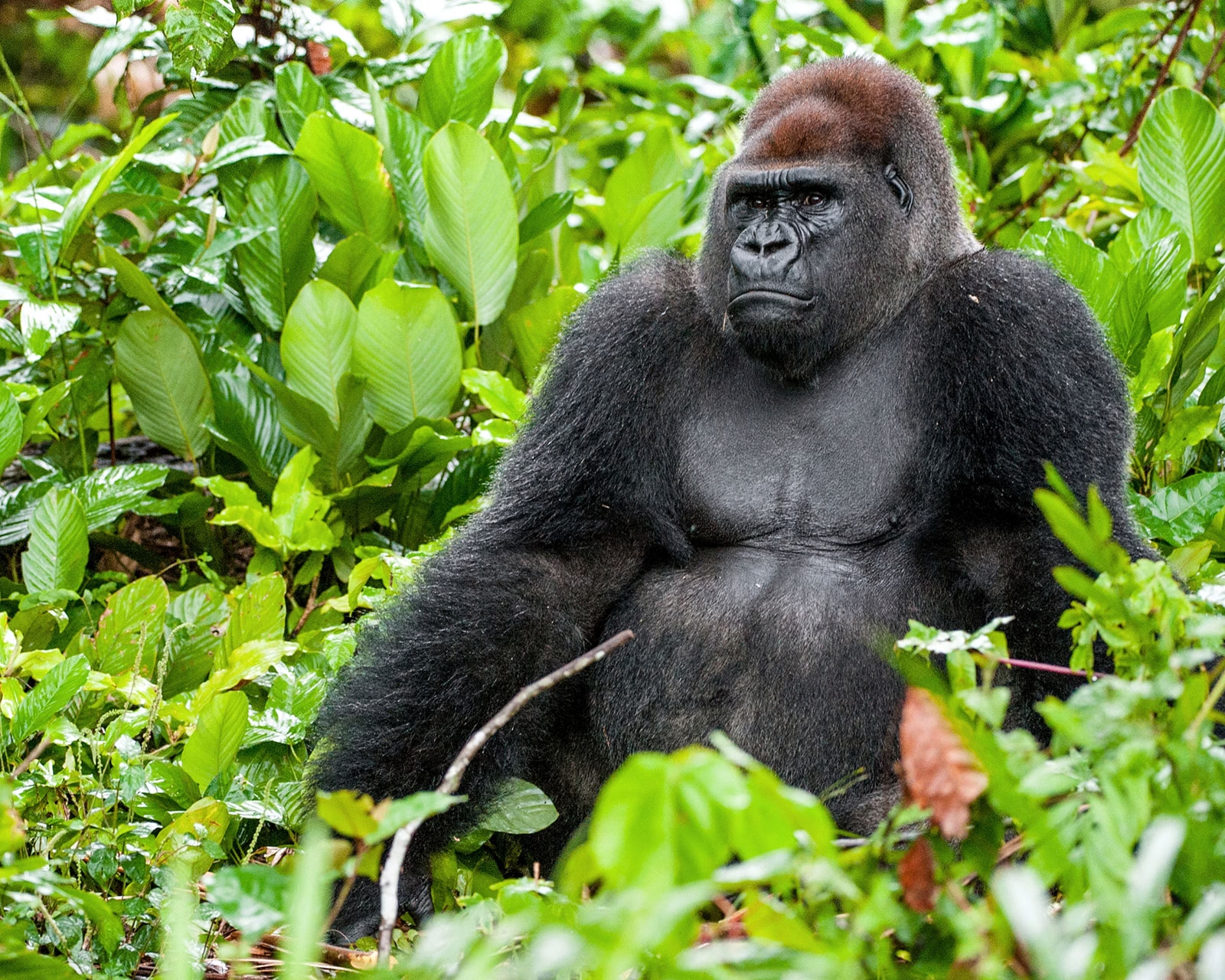
Western Lowland Gorillas (Gorilla gorilla gorilla) differ from other gorilla species in size, fur color, and facial features. Males weigh up to 400 pounds, while females are much smaller, averaging 200 pounds. Their fur appears brownish-gray with a distinct reddish tinge on the crown. Males develop silver hair on their backs, earning them the title of “silverbacks.”
Habitat and Distribution
These gorillas thrive in the rainforests of Central Africa, primarily in Gabon, the Republic of Congo, Cameroon, and Equatorial Guinea. Unlike mountain gorillas, they inhabit lowland tropical forests, swampy areas, and dense jungles. Their adaptability helps them survive in varying environments, but deforestation reduces their habitat.
Diet and Feeding Habits
Western lowland gorillas follow an herbivorous diet. They consume fruits, leaves, stems, and bark, occasionally supplementing with insects. Their diet changes based on seasonal availability. These gorillas spend hours foraging, using their strong hands to break apart dense vegetation.
Social Structure and Behavior
Living in tight-knit groups called troops, these gorillas exhibit complex social interactions. Each troop consists of a dominant silverback, multiple females, and their offspring. The silverback protects the group, leads in food searches, and resolves conflicts. Grooming plays a key role in strengthening bonds within the troop.
Gorillas communicate through vocalizations, facial expressions, and body movements. They use deep grunts, barks, and chest-beating displays to express emotions and warnings.
Threats to Survival
Despite their adaptability, Western Lowland gorillas face severe threats:
- Habitat Destruction: Logging, agriculture, and urban expansion reduce forested areas.
- Poaching: Illegal hunting for bushmeat and the other pet trade harms populations.
- Disease: Ebola outbreaks and other illnesses significantly impact gorilla numbers.
- Climate Change: Changes in rainfall and temperature affect food availability.
Conservation Efforts
Multiple organizations work tirelessly to protect these gorillas. Conservation strategies include:
- Protected Reserves: National parks and sanctuaries offer safe environments.
- Anti-poaching laws: governments enforce stricter regulations to curb illegal hunting.
- Research and Monitoring: Scientists track gorilla movements and health.
- Community Involvement: Local communities participate in eco-tourism and conservation programs.
How You Can Help
Supporting conservation efforts can make a difference. Here are ways to contribute:
- Donate to Wildlife Organizations: Groups like WWF and the Dian Fossey Gorilla Fund rely on public support.
- Support Sustainable Products: Choose brands that promote responsible sourcing.
- Raise Awareness: Educate others about gorilla conservation and the threats they face.
Plan your safari today.
Western lowland gorillas play a vital role in maintaining forest ecosystems. Their survival depends on conservation efforts and global awareness. By understanding their challenges and taking action, we can ensure future generations witness these majestic creatures in the wild.