

Top 10 Facts About Elephants
Top 10 Facts About Elephants
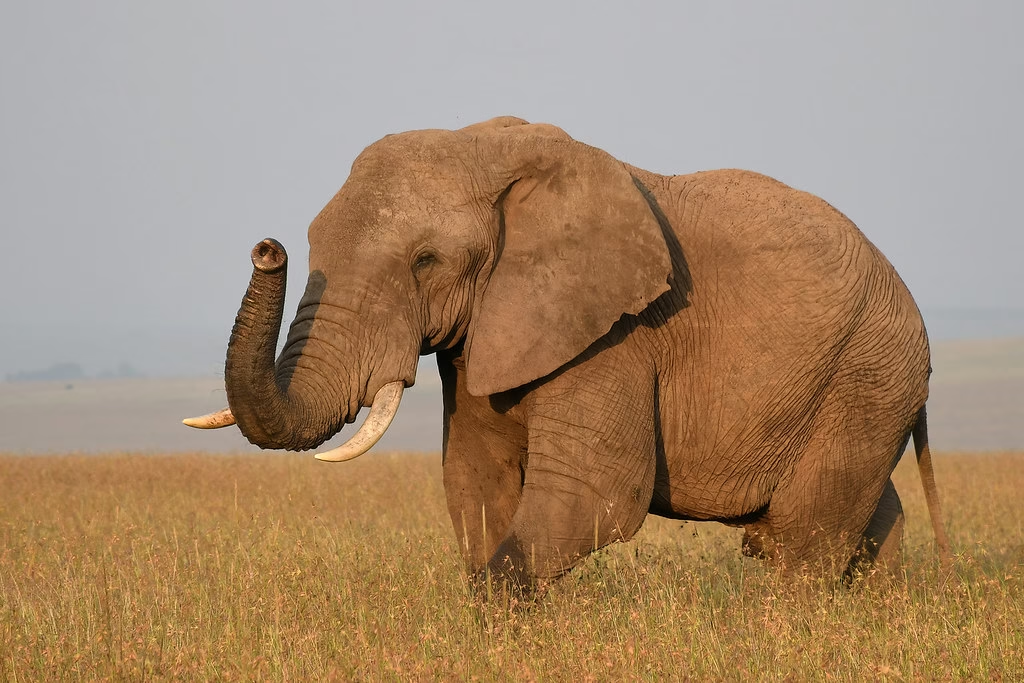
Facts about elephants. Elephants capture the imagination of every wildlife lover. These gentle giants rule the African savannas and Asian forests. With powerful trunks, deep emotions, and strong social bonds, elephants amaze scientists and travelers alike. Here are ten facts that reveal why elephants are so extraordinary.
-
Elephants Never Forget
Elephants have incredible memory. Matriarchs can remember water sources and migration paths from decades earlier. They also recognize individual elephants and humans after long periods apart.
-
They Live in Matriarchal Societies
A female leads every elephant herd. The matriarch makes decisions and protects her family. Herds consist of mothers, sisters, aunts, and calves. Adult males usually leave the herd when they mature.
-
Their Trunk Has Over 40,000 Muscles
An elephant’s trunk is a powerful multi-tool. It helps with breathing, smelling, trumpeting, drinking, feeding, and lifting objects. It’s sensitive enough to pluck a single blade of grass and strong enough to uproot trees.
-
Elephants Grieve Their Dead
Elephants display mourning behavior. They touch and inspect the bones of deceased elephants. Some stand vigil or return to the site days or weeks later.
-
They Communicate with Infrasound
Elephants produce deep, rumbling sounds below human hearing range. These infrasound messages can travel several kilometers. They help coordinate movement, mating, and warnings.
-
They Are Excellent Swimmers
Despite their size, elephants swim well. They use their trunks like snorkels and can float for hours. Swimming cools them and allows travel between islands and riverbanks.
-
Elephants Need to Eat Constantly
An adult elephant eats up to 300 pounds (136 kg) of food per day. Their diet includes grass, bark, fruits, and leaves. Because they digest only 40% of what they eat, they spend most of their day feeding.
-
Their Skin Is Tough Yet Sensitive
Elephant skin is about 2.5 cm thick but full of nerve endings. They can feel a fly land or detect the movement of ants. They cover themselves in mud or dust to protect against sunburn and parasites.
-
Baby Elephants Suck Their Trunks
Much like human babies suck their thumbs, elephant calves suck their trunks. It comforts them and helps develop trunk coordination.
-
They Face Serious Threats
Despite their power and intelligence, elephants remain vulnerable. Poaching, habitat loss, and human-wildlife conflict threaten their survival. Conservation efforts now focus on anti-poaching patrols, habitat protection, and community education.
Plan Your Safari Today
Elephants embody strength, emotion, and wisdom. Seeing them in the wild leaves a lasting impact. Book a responsible safari and witness their majesty up close—while supporting efforts to protect them for future generations.
Start planning your elephant safari today with expert guidance and ethical travel options.