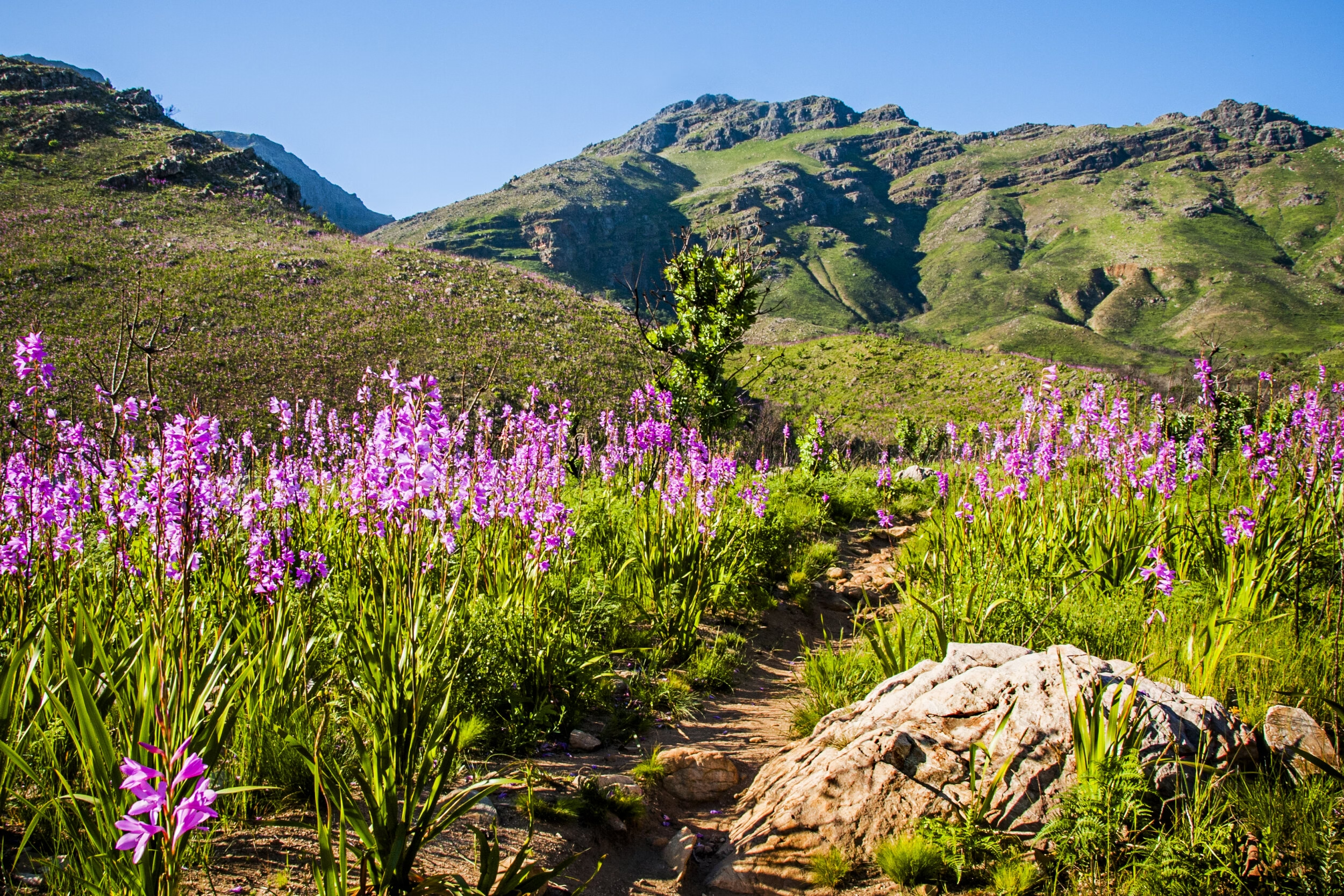

The Floral Magic of South Africa
The Floral Magic of South Africa—A Blooming Natural Wonder
South Africa wildflowers. South Africa is known for wildlife and wine, but its floral beauty is just as magical. Nowhere else on earth does plant life explode with such variety, color, and character. From fynbos-covered mountains to desert blooms, South Africa’s flora is bold, delicate, and deeply rooted in the soul of the land.
This floral magic transforms the landscape—season after season—into a living tapestry of rare, endemic, and enchanting plant species.
A Global Biodiversity Hotspot
South Africa is home to one of the world’s six floral kingdoms—the Cape Floral Kingdom—and the only one contained within a single country. Despite its small size, it houses over 9,000 plant species, 70% of which are found nowhere else.
The crown jewel of this biodiversity is the fynbos biome. You’ll find proteas, ericas, restios, and geophytes stretching across the mountains and valleys of the Western Cape. The fynbos is not only unique but also essential, supporting diverse insect and bird life, including the stunning Cape Sugarbird and Orange-breasted Sunbird.
Where to Experience the Bloom
-
Kirstenbosch National Botanical Garden – Cape Town
At the foot of Table Mountain, Kirstenbosch offers curated floral beauty in a natural setting. Walk among proteas, cycads, and tree ferns. It’s one of the best places to understand South Africa’s floral diversity year-round.
-
West Coast National Park – Western Cape
Every August and September, this park bursts into color. Fields of daisies, vygies, and other wildflowers carpet the plains in the spring bloom, drawing thousands of visitors.
-
Namaqualand – Northern Cape
This semi-desert region transforms into a sea of flowers after winter rains. Over 3,500 plant species bloom in waves of orange, pink, yellow, and purple. The contrast against red earth and blue skies is unforgettable.
-
Cederberg Mountains – Western Cape
Known for rugged beauty and ancient rock art, Cederberg also hosts rare wildflowers. Spring reveals pockets of delicate blooms tucked between rocky outcrops and sandstone cliffs.
-
Baviaanskloof & Eastern Cape Biomes
Here, fynbos blends into thicket and forest, creating a mosaic of plant life. Succulents, flowering shrubs, and aloes thrive here, some adapted to arid, mountainous conditions.
Why South Africa’s Flowers Matter
These blooms are more than pretty faces. They support pollinators, stabilize soil, and form the base of intricate food webs. Many plants here are ancient survivors, adapted to fire, drought, and nutrient-poor soils.
Botanists and conservationists consider South Africa’s floral biodiversity one of the most important on Earth. Protecting it is crucial—not just for locals, but for global ecological health.
When to Visit for Floral Splendor
- August to September – Spring bloom in the Western and Northern Cape
- Year-round – Kirstenbosch and high-altitude regions offer seasonal variations
- Late Winter (June to August) – Pre-bloom landscapes start to awaken
- October to December – Some fynbos species flower later in the year
Rainfall patterns influence bloom intensity. In good years, the displays are spectacular.
Sustainable Floral Travel
If you visit South Africa for its flora, support eco-conscious lodges, local guides, and conservation programs. Avoid picking flowers or walking off marked paths. Choose destinations involved in native habitat restoration.
Every visit should protect what makes this landscape so magical.
Plan Your Botanical Safari
Whether you’re a botanist, photographer, hiker, or romantic dreamer, South Africa’s floral wonders offer something special. From Table Mountain to the Namaqualand desert, the flowers tell a story of resilience, beauty, and life.