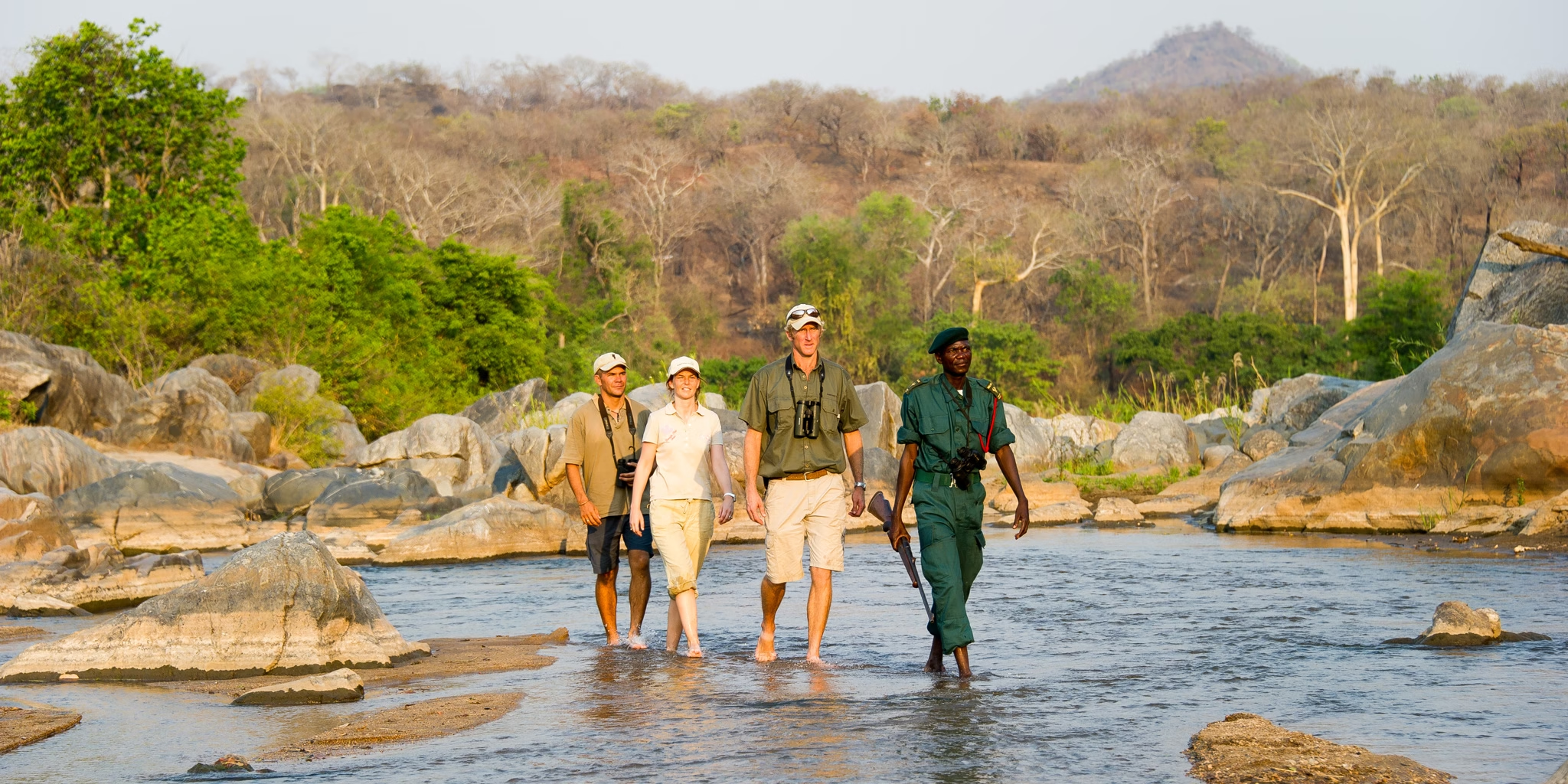

The Best Walking Safaris in Africa for 2025
The Best Walking Safaris in Africa for 2025
Walking safaris in Africa offer an unparalleled experience of connecting with nature and wildlife in their most raw form. Whether you’re tracing animal tracks, watching birds flit through the trees, or listening to the sounds of the bush, walking safaris immerse you in the landscape in a way that traditional game drives simply can’t. For 2025, these are some of the best walking safaris in Africa, where adventure, education, and awe-inspiring wildlife encounters await.
South Luangwa National Park, Zambia
South Luangwa National Park is one of the most famous destinations for walking safaris. The park is known for its incredible diversity of wildlife and natural beauty. The guide-led walks here allow you to explore the park’s dense forests, rivers, and plains, with a chance to spot elephants, giraffes, zebras, and various antelope species. South Luangwa is also home to the “walking safari” tradition, and walking with expert guides brings you closer to the land, teaching you about animal tracks, plants, and the intricate ecosystem of the area.
Highlights:
- Excellent wildlife viewing on foot, including close encounters with elephants and lions
- Over 60 species of mammals and 400 species of birds
- Guided walks with knowledgeable local experts
- A quieter, more intimate safari experience
Kruger National Park, South Africa
Kruger National Park is one of Africa’s largest game reserves and offers walking safaris for those who want a more intimate experience with the wild. Walking safaris are conducted in the park’s private reserves, such as Sabi Sands and Timbavati, where guests can walk in areas not accessible by vehicles. You’ll get the chance to explore the bush in-depth, learning how to identify animal tracks, find hidden wildlife, and experience the environment in a completely different way.
Highlights:
- Explore the Big Five country on foot
- Access to private, off-road areas for unique experiences
- Expert rangers and trackers to guide you
- Great opportunities for birdwatching and spotting smaller wildlife
Masai Mara, Kenya

The Masai Mara is synonymous with the Great Migration, but it’s also a fantastic destination for walking safaris. You’ll wander the plains of the Mara with local Maasai guides, learning about the Maasai culture and the flora and fauna of the region. With the possibility of seeing lions, cheetahs, and buffalo up close, the walk will bring you face-to-face with some of the world’s most iconic wildlife. The experience is enhanced by the natural beauty of the Mara, which stretches as far as the eye can see.
Highlights:
- Walk through the world-famous Mara plains
- See the Big Five and witness thrilling predator-prey interactions
- Walk with Maasai guides, gaining insight into their rich culture and land
- Unmatched views of the African landscape
Hwange National Park, Zimbabwe
Hwange is Zimbabwe’s largest national park and one of the best places to do a walking safari. Known for its large elephant herds, Hwange offers walks through open plains, along riverbeds, and in the woodlands. During these walks, you’ll come across diverse wildlife, from impalas and kudu to the endangered wild dog. Hwange’s remote location and incredible wildlife make it an excellent choice for those seeking an immersive walking safari experience.
Highlights:
- A great location to see large herds of elephants
- Explore diverse habitats like grasslands and forests
- Opportunity to see rare species such as the African wild dog
- Walking safaris led by expert guides who share their knowledge of the area’s wildlife
Botswana’s Okavango Delta

The Okavango Delta is a unique ecosystem that consists of wetlands, grasslands, and forested islands, making it a dream destination for walking safaris. Exploring this UNESCO World Heritage site on foot is a magical experience, as you navigate its channels, floodplains, and islands, encountering both large and small wildlife. You’ll spot hippos in the waterways, elephants on the islands, and a variety of bird species. Walking in the Okavango’s pristine wilderness offers both excitement and tranquility.
Highlights:
- One of the most unique safari destinations in the world
- Explore pristine wetlands and islands by foot
- Opportunities to see large mammals like elephants and buffalo
- Birdwatching in one of the most biodiverse regions in Africa
Selous game reserve, Tanzania
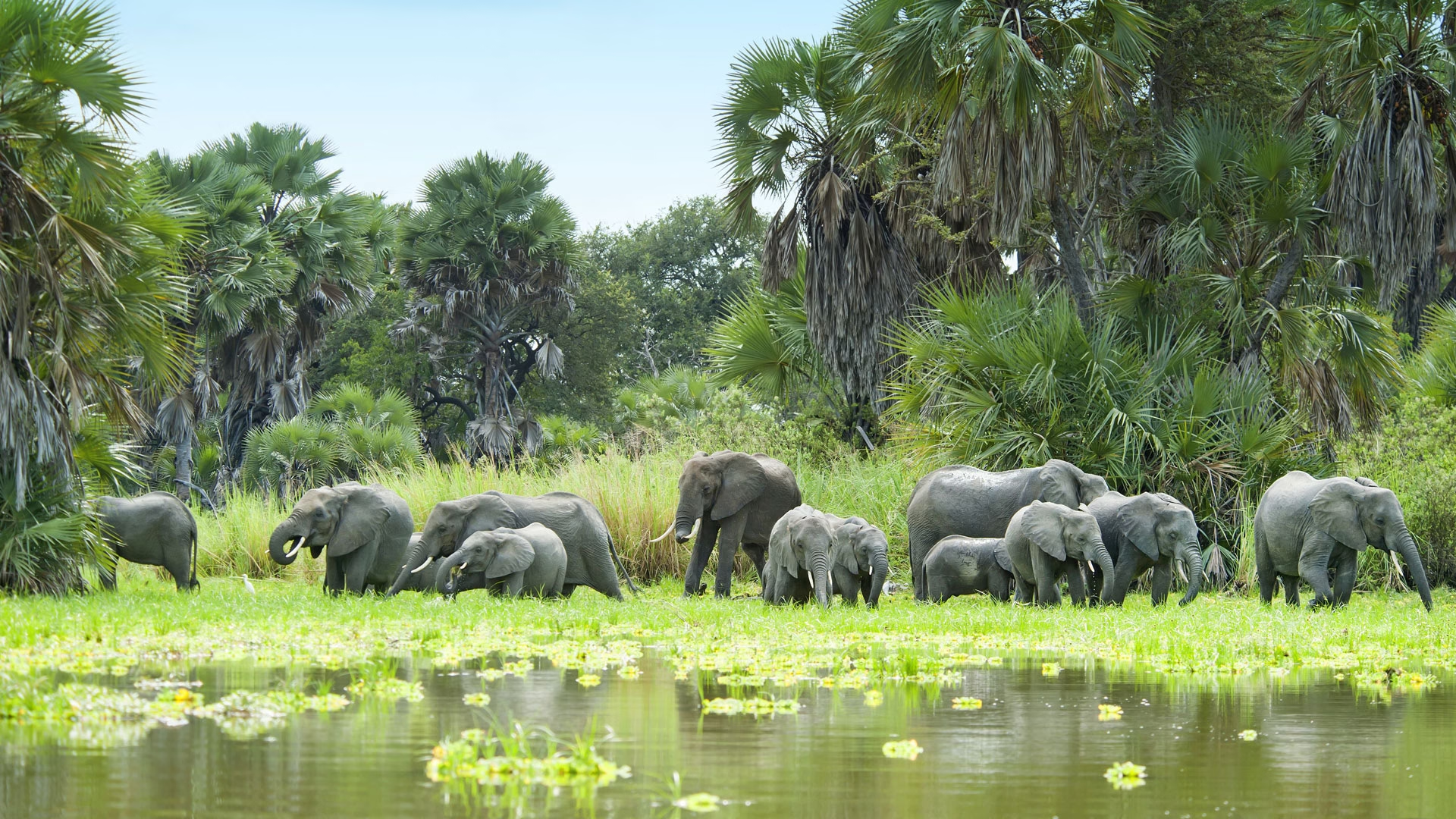
Selous is one of Tanzania’s largest and least-developed game reserves, making it a prime destination for walking safaris. The reserve is home to a vast array of wildlife, including lions, crocodiles, wild dogs, and a wide variety of antelopes. The walks here take you through diverse landscapes, including rivers, open savannas, and dense bush. Walking in Selous gives you the opportunity to experience the wild in its purest form.
Highlights:
- A vast reserve that offers a variety of walking routes
- Home to the rare African wild dog and large herds of elephants
- A mix of water and land-based safaris, including walking and boat safaris
- Tranquil, untouched wilderness for a more intimate experience
Ngorongoro Crater, Tanzania
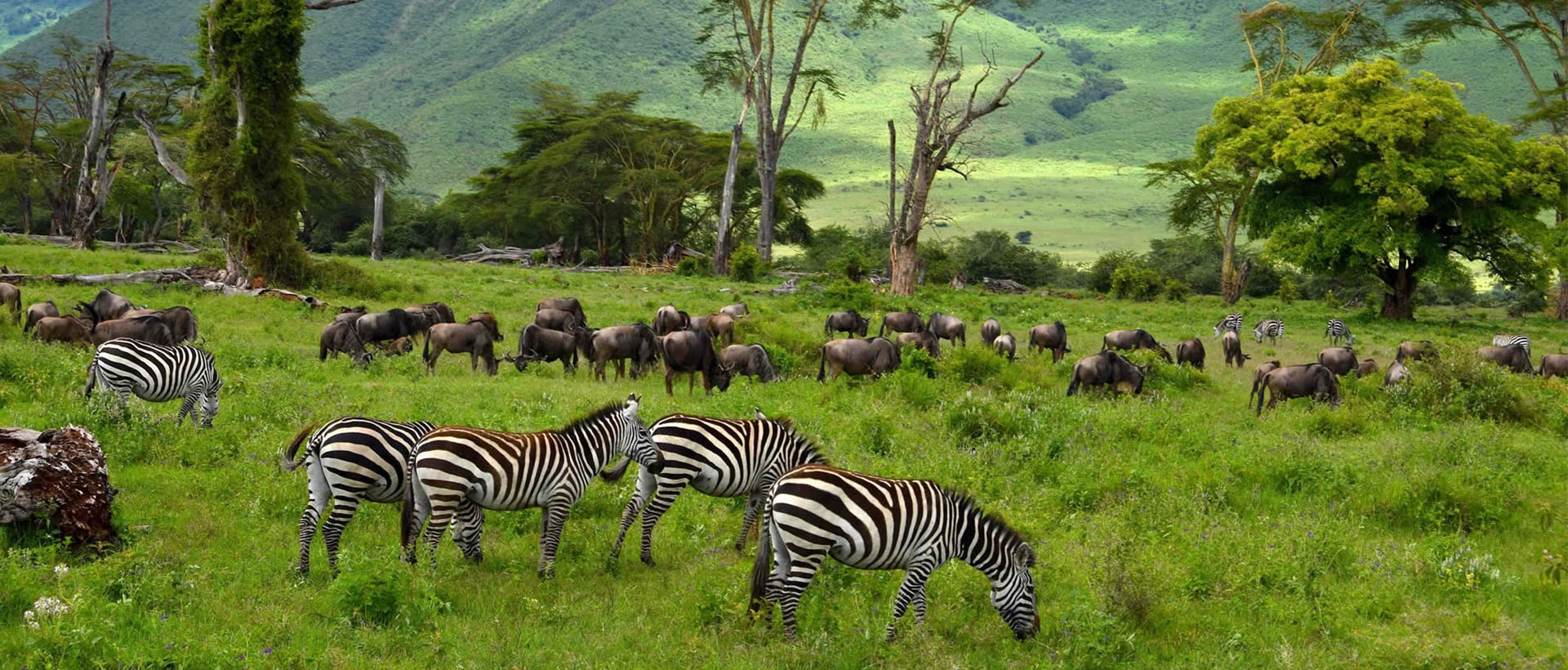
The Ngorongoro Crater is one of Africa’s most famous natural wonders and offers a unique walking safari experience. The crater is teeming with wildlife, and walking through this stunning area allows you to experience the landscape and wildlife in a different way. The volcanic caldera is home to the Big Five, and you’ll often spot herds of wildebeest, zebras, and buffalo. The walks are usually led by armed guides for safety, allowing you to explore this incredible UNESCO World Heritage Site on foot.
Highlights:
- Walk in the world’s largest inactive volcanic caldera
- Spot the Big Five, including rare black rhinos
- A chance to walk in one of Africa’s most famous wildlife regions
- Scenic views over the crater floor
Chobe National Park, Botswana
Chobe National Park is renowned for its elephant populations and diverse landscapes, from floodplains to savannah. Walking safaris in Chobe allow you to explore these areas intimately while learning about the park’s ecology. The park’s extensive game population, including elephants, lions, and leopards, makes it an excellent destination for walking safaris. Exploring on foot lets you connect with the environment and its inhabitants in a way that vehicle safaris can’t provide.
Highlights:
- Known for the largest elephant population in Africa
- A range of ecosystems, including riverine and woodland areas
- Great wildlife encounters, from predators to herbivores
- Intimate, educational walking safaris with expert guides
Rwenzori Mountains, Uganda
The Rwenzori Mountains, known as the “Mountains of the Moon,” offer one of the most unique walking safari experiences in Africa. This trek combines the challenge of mountain hiking with the opportunity to see wildlife in a high-altitude environment. The park is home to diverse species of birds, primates, and unique plant life. A walking safari here offers breathtaking views and an entirely different perspective of Africa’s wild landscapes.
Highlights:
- Trek through high-altitude rainforests, bamboo, and alpine meadows
- Encounter mountain gorillas, primates, and unique bird species
- Experience the adventure of hiking in the Rwenzori Mountains
- Stunning views and diverse wildlife in an off-the-beaten-path destination
Laikipia Plateau, Kenya
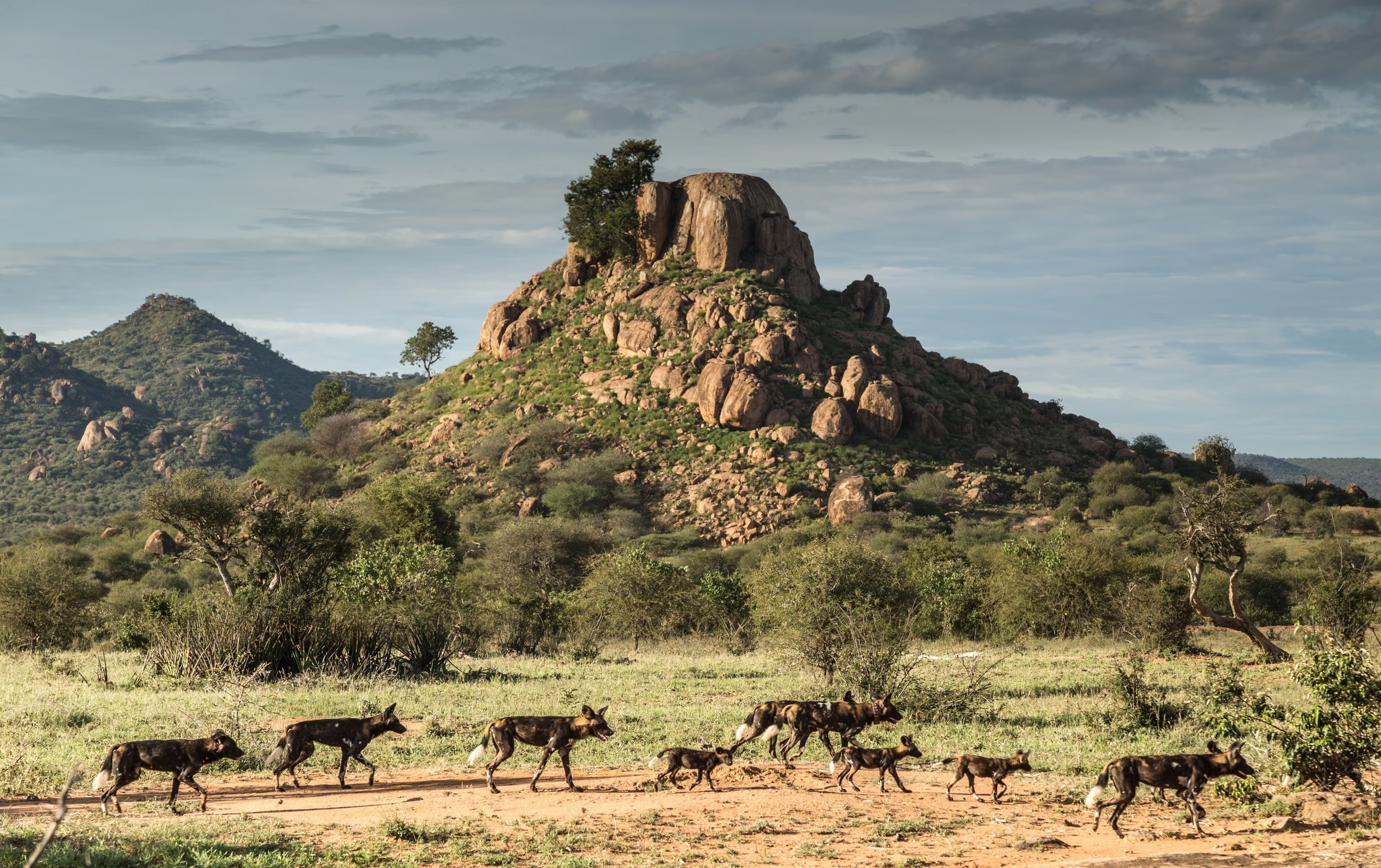
The Laikipia Plateau offers some of the most exclusive walking safari experiences in Kenya. This area is a haven for endangered species, including wild dogs and Grevy’s zebra. The landscape is diverse, ranging from open savannah to forested areas. Walking here provides a deep connection with the wildlife and a chance to track some of Africa’s most elusive animals. The area’s conservation efforts make it an ideal location for eco-conscious travelers.
Highlights:
- Exclusive walking safaris on private reserves
- Home to rare species like the Grevy’s zebra and African wild dog
- Varied landscapes, from open plains to forested hills
- Exceptional conservation efforts with a focus on sustainability
Plan Your Tour
Walking safaris offer a deeper connection with the African wilderness, where each step is a chance to discover the intricate details of the ecosystem. Whether you choose to explore the lush wetlands of the Okavango Delta, the rugged terrain of the Rwenzori Mountains, or the vast plains of the Serengeti, each destination provides a unique and thrilling experience. Book your walking safari for 2025 and immerse yourself in Africa’s captivating landscapes and wildlife like never before.