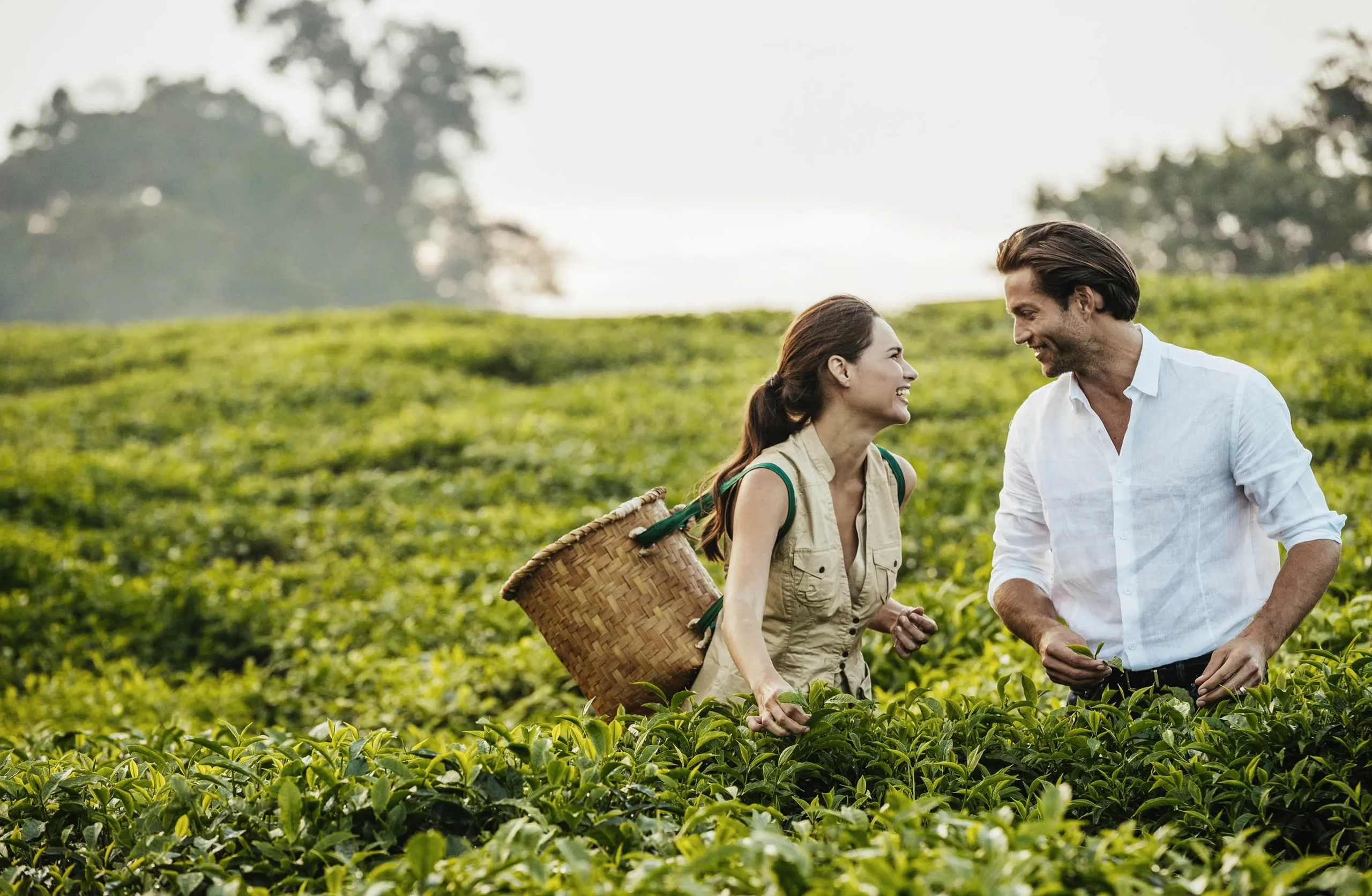

Tea Plantations to Boost Tourism in Rwanda
Tea Plantations to Boost Tourism in Rwanda
Tea tourism Rwanda. Rwanda is known as the “Land of a Thousand Hills,” and many of those hills are covered in lush, green tea plantations. While tea has long been a key export, it’s now becoming a major part of Rwanda’s tourism strategy. From guided plantation tours to immersive cultural experiences, tea is helping to attract visitors and diversify rural economies.
Why Tea Matters in Rwanda
Tea is Rwanda’s second-largest export after coffee. The country’s high-altitude, volcanic soil and cool climate create ideal conditions for growing premium-quality tea. Plantations are spread across scenic regions like Nyungwe, Gisovu, Kitabi, Gisakura, and Rutsiro.
These areas lie near national parks, lakes, and mountains, making them ideal for tourists looking to combine nature with cultural experiences.
How Tea Plantations Are Attracting Tourists
Rwanda has developed tea tourism circuits in partnership with cooperatives and private estates. These include:
- Guided walks through tea fields
- Factory tours showing how tea is processed
- Tea tasting sessions with local brews
- Cultural performances, home stays, and traditional meals with tea workers
One popular location is Gisakura Tea Estate, located near Nyungwe Forest National Park. Visitors hike through the plantation, pick tea leaves, visit the factory, and enjoy tea tasting with a view of the forest canopy.
Linking Tea and Nature-Based Tourism
Tea plantations sit next to major natural attractions. For example:
- Gisovu and Kitabi tea estates are near the Uwinka visitor center in Nyungwe.
- Rutsiro Tea Estate lies along Lake Kivu, ideal for scenic drives and boat rides.
This positioning allows tourists to combine wildlife treks, forest canopy walks, and chimpanzee tracking with tea experiences in the same trip.
Tour operators now offer packages that blend tea tours with park visits, offering more value and variety for travelers.
Empowering Local Communities
Tea tourism supports community-based tourism. Local people earn income as guides, dancers, chefs, and hosts. Women’s cooperatives manage craft shops and cultural centers at tea estates. Some offer overnight stays with tea-farming families.
These experiences help preserve Rwandan traditions and reduce rural poverty. Tourists gain authentic insight into daily life, while communities gain financial benefits and cultural pride.
Rwanda’s Vision for Agro-Tourism
The Rwanda Development Board promotes agro-tourism as a new frontier. It helps reduce pressure on parks while creating income in rural areas. By turning tea into a tourism asset, Rwanda strengthens its brand and offers visitors a more rounded experience.
Government and private sector support are growing. Investments in infrastructure, signage, and guide training are helping make tea tours more professional and accessible.
Sip Rwanda’s Story, One Cup at a Time
Tea plantations in Rwanda are more than beautiful landscapes—they tell stories of resilience, community, and connection to nature. As more travelers seek meaningful experiences, Rwanda’s tea hills offer serenity, culture, and flavor all in one.
From the misty slopes of Nyungwe to the shores of Lake Kivu, Rwanda invites you to walk the fields, taste the harvest, and meet the people behind the brew.