

Best and Worst Time to Visit Rwanda
Best and Worst Time to Visit Rwanda
Rwanda safari calendar. Rwanda—known as the “Land of a Thousand Hills”—offers an unforgettable mix of mountain gorilla trekking, primate safaris, scenic landscapes, and cultural depth. But with its tropical highland climate and two distinct rainy seasons, choosing when to visit is key to enjoying Rwanda at its best.
Whether you’re trekking in Volcanoes National Park, spotting chimps in Nyungwe Forest, or relaxing by Lake Kivu, this month-by-month breakdown will help you plan the perfect journey—or avoid the worst travel times.
Best Time to Visit Rwanda
Rwanda is a year-round destination, but the dry seasons offer the most comfortable and rewarding experiences—especially for gorilla trekking and park-based travel.
Main Dry Season: June to September
This is the peak travel period in Rwanda.
Why It’s the Best:
- Dry forest trails: Perfect for gorilla trekking in Volcanoes National Park and chimpanzee tracking in Nyungwe
- Clear skies and cooler temperatures: Excellent for photography and mountain hikes
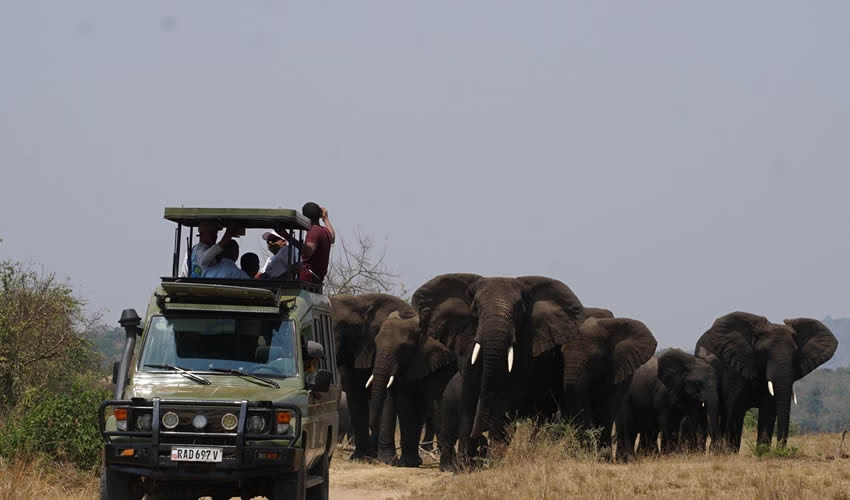
- Wildlife viewing in Akagera National Park is at its best, as animals gather around water sources
- Low malaria risk due to drier conditions
Travel Tips:
- Book gorilla permits 3–6 months in advance—they sell out fast in this season
- Accommodations and lodges may charge high-season rates
- Bring layers—mornings are chilly, especially in the Virunga Mountains
Short Dry Season: Mid-December to Early February
A second, shorter dry spell offers another excellent window for travelers.
Benefits:
- Gorilla trekking remains accessible and comfortable
- Nyungwe trails are less muddy, improving chimp sightings
- Warm, sunny weather is ideal for Lake Kivu holidays and city tours in Kigali
Travel Tips:
- Holiday peak pricing applies from Dec 15 to Jan 5
- Best value found in mid-January to early February
Worst Time to Visit Rwanda
While Rwanda is lush and green most of the year, its two rainy seasons can complicate travel—especially for gorilla trekking and forest-based activities.
Long Rainy Season: March to May
This is the least ideal period to visit Rwanda, particularly for nature-based travel.
Why to Avoid:
- Heavy rainfalls make forest trails muddy and slippery
- Gorilla and chimp tracking become more strenuous and less enjoyable
- Road access to parks like Nyungwe and Volcanoes can be delayed due to washouts
- Cloud cover hinders photography and volcano views
- Greater risk of malaria and insects
Exceptions:
- Budget travelers may benefit from discounted rates and lodge specials
- The countryside is vibrantly green, making it scenic (though wet)
Short Rains: Mid-October to Mid-December
Though less intense than the long rains, this period still presents challenges.
Considerations:
- Afternoon rain showers can interrupt treks or game drives
- Trails in Volcanoes and Nyungwe may become slippery again
- Visibility in the mountains may drop due to mist and haze
Upside:
- Lower crowds and some mid-season discounts
- Good for photographers seeking moody, misty shots of the Virunga landscape
Month-by-Month Breakdown: Rwanda
| Month | Gorilla Trekking | Chimp Tracking (Nyungwe) | Akagera Wildlife Viewing | Weather Conditions | Travel Verdict |
| January | Good, slightly humid | Good | Fair to good | Warm, dry to light rain | ✅ Good |
| February | Great trekking | Best for chimp sightings | Fair | Dry, warm | ✅ Excellent |
| March | Trails become slippery | Poor visibility | Reduced sightings | Start of long rains | ❌ Avoid |
| April | Wet and muddy | Difficult tracking | Wildlife dispersed | Peak rainy season | ❌ Worst month |
| May | Still rainy but improving | Conditions slowly recover | Wildlife starts to return | Transition month | ⚠️ Not ideal |
| June | Excellent | Very good | Animals near rivers | Cool, dry | ✅ Best time |
| July | Peak gorilla trekking | Good | Excellent game viewing | Dry and clear | ✅ Peak season |
| August | Great across all parks | Chimp sightings drop slightly | Still great | Dry, warming slightly | ✅ Ideal |
| September | Still dry, fewer crowds | Good again | Excellent | Dry season ending | ✅ Still great |
| October | Rains begin mid-month | Hit-or-miss | Wildlife disperses slowly | Start of short rains | ⚠️ Mixed |
| November | Slippery trails return | Tough tracking conditions | Less predictable game drives | Wet and humid | ❌ Avoid |
| December | Early month better | Mid–late month rains possible | Moderate | Short rains fade mid-month | ⚠️ Early good, late risky |
Best Time for Gorilla Trekking in Rwanda
| Gorilla Trek Location | Best Months | Notes |
| Volcanoes National Park | June–Sept, Dec–Feb | Drier trails, better visibility, higher permit demand |
- Trekking is open year-round, but slippery slopes, mist, and leeches are common during March–May and November
- During dry months, treks are shorter, more comfortable, and better for photos
Other Seasonal Highlights
| Activity | Best Season | Why |
| Chimpanzee tracking (Nyungwe) | Feb, June–Sept | Higher fruit availability = better sightings |
| Canopy walk (Nyungwe) | June–August | Clear skies, lower mist |
| Lake Kivu visits | Jan–Feb, July–Sept | Warm, sunny, fewer bugs |
| Kigali cultural tours | Year-round | Weather has minimal impact |
| Akagera boat safaris | July–Sept | Good wildlife concentration along Lake Ihema |
Price and Crowd Trends
| Travel Season | Months | Prices & Availability |
| High Season | June–September, Dec–Feb | Most expensive, limited availability |
| Low Season | March–May, November | Best discounts, but poor weather |
| Shoulder Season | October, early December | Moderate prices, mixed conditions |
When to Visit Rwanda?
| If you want… | Go in… |
| Gorilla trekking with dry trails | June–September or December–February |
| Best time for chimp tracking | February or July–August |
| Top conditions in all national parks | July and August |
| Low prices and fewer crowds | May or November (weather risks apply) |
| Misty photography and lush green landscapes | April or October (expect some rain) |
Best Overall Months:
July–August – Peak trekking and wildlife viewing
February – Dry season and great primate activity
Early December – Good weather before holiday surge
Worst Months:
❌ April – Wettest, trails muddy
❌ November – Slippery trails, less wildlife visibility