
Rumanyika Karagwe National Park
Rumanyika Karagwe National Park: Tanzania’s Hidden Wildlife Jewel
Rumanyika Karagwe National Park is one of Tanzania’s newest and most promising safari destinations. Located in the northwestern corner of the country, this park offers stunning landscapes, rich wildlife, and a deep cultural heritage. For travelers seeking an off-the-beaten-path adventure, Rumanyika Karagwe delivers a genuine wilderness experience with fewer crowds.
History and Name Origin
The park is named after King Rumanyika I Orugundu, a powerful 19th-century ruler who united and expanded the Karagwe Kingdom. “Karagwe” refers to the ancient kingdom and modern district in which the park lies. This name honors both the region’s cultural history and its natural environment, reflecting the close relationship between people and land in this part of Tanzania.
Location and Landscape
Spanning approximately 247 square kilometers, Rumanyika Karagwe National Park features a diverse landscape of rolling grassy hills, rocky outcrops, patches of dense woodland, and seasonal rivers. The terrain varies from savannah plains to wetlands, creating rich habitats that support a wide range of animals and birds. Its location near the borders of Rwanda and Uganda adds to its significance as a cross-border wildlife corridor.
Wildlife in Rumanyika Karagwe
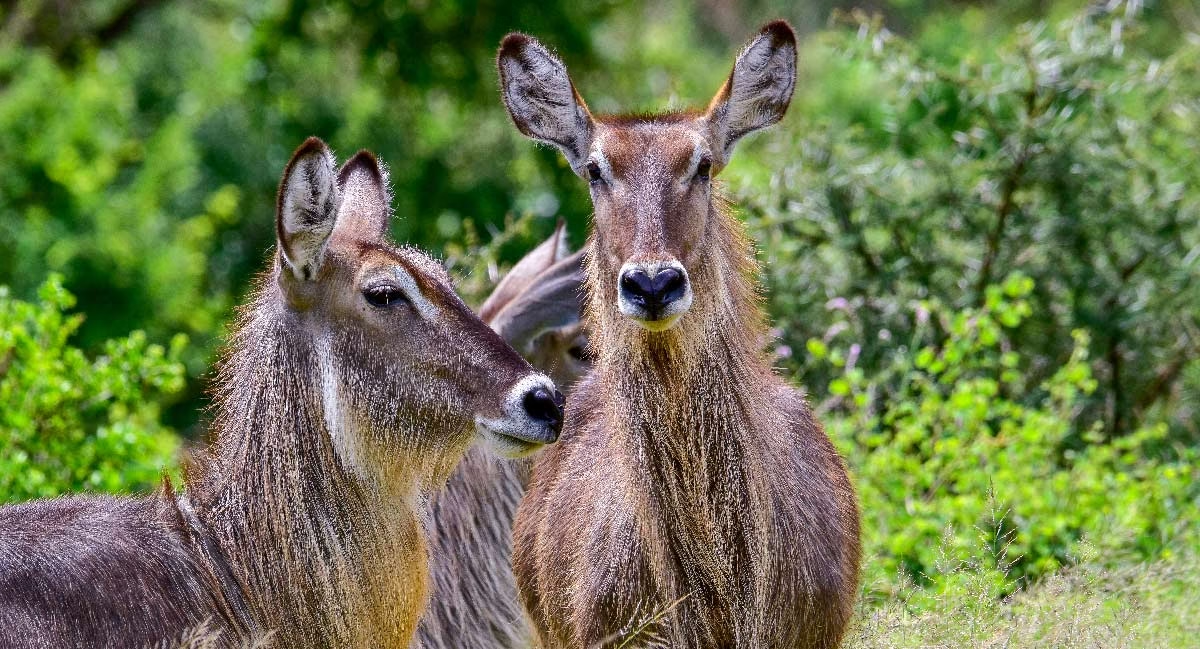
Rumanyika Karagwe hosts a variety of iconic East African species. Large mammals such as elephants and buffalo roam freely, while several antelope species including impalas, waterbucks, and bushbucks graze the plains. Baboons and vervet monkeys are common residents of the woodlands. Leopards also live in the park, though sightings remain rare due to their elusive nature. Birdwatchers can enjoy spotting over 200 bird species, including hornbills, crowned cranes, and eagles, making the park a haven for both wildlife enthusiasts and bird lovers.
Popular Activities and Experiences
Visitors to Rumanyika Karagwe National Park can enjoy several activities that showcase its natural beauty and wildlife:
- Game Drives: The best time for game drives is early morning or late afternoon when animals are most active and temperatures are cooler.
- Walking Safaris: Guided nature walks allow for closer encounters with the park’s flora, smaller animals, and birds.
- Birdwatching: With over 200 species, the park offers excellent opportunities for birding, especially at dawn and dusk.
- Cultural Visits: Nearby Karagwe communities welcome visitors interested in learning about local traditions, history, and crafts.
- Photography: The scenic hills and diverse wildlife provide fantastic photo opportunities throughout the day.
Conservation and Community Engagement
Rumanyika Karagwe National Park is a shining example of community-based conservation. Local residents collaborate with park management to protect wildlife and reduce conflicts between humans and animals. Tourism revenue supports local livelihoods, encouraging sustainable practices that benefit both people and nature. Visitors often find meaningful ways to engage with the community and contribute positively to conservation efforts.
Best Time to Visit
The dry seasons from June to October and December to February offer the best conditions for wildlife viewing and park accessibility. During these months, the weather is pleasant, and animals gather around water sources, making sightings easier. While the wet seasons bring lush vegetation and abundant birdlife, heavy rains may restrict movement on some park roads.
Plan Your Tour to Rumanyika Karagwe National Park
When planning your visit, consider booking with experienced local tour operators who understand the park’s terrain and cultural context. Rumanyika Karagwe pairs well with nearby attractions like Rubondo Island National Park and Kagera Game Reserve, allowing for a more comprehensive northern Tanzania safari. While the park’s infrastructure is still developing, this offers an authentic and rugged safari experience for adventurous travelers. Make sure to bring essentials such as water, sun protection, and sturdy footwear.
Rumanyika Karagwe National Park is a remarkable destination that offers a rare glimpse of Tanzania’s untouched wilderness and rich cultural heritage. It invites explorers to experience vibrant wildlife, breathtaking scenery, and meaningful cultural connections away from the typical tourist routes.