
How to Be a Responsible Safari Traveler
How to Be a Responsible Safari Traveler: Eco-Friendly Safari Practices
Going on a safari is one of the most unforgettable experiences in Africa. Watching wildlife in their natural habitat, listening to the sounds of the bush, and connecting with local cultures can be deeply moving. But with such privilege comes responsibility. As tourism grows, so does the pressure on natural environments and communities. The good news? You can help protect Africa’s wildlife and people by choosing eco-friendly safari practices.
Here’s how to be a responsible safari traveler and make your trip both meaningful and sustainable.
-
Choose Eco-Conscious Tour Operators
Start by booking with companies that support conservation, local communities, and responsible tourism. Look for lodges and tour operators with recognized certifications, such as EcoTourism Kenya, Fair Trade Tourism, or Travelife. These businesses often hire local staff, minimize waste, and invest in community projects.
Before booking, ask questions like:
- How do you manage waste and water use?
- Do you contribute to wildlife conservation?
- Do you hire and train local guides?
-
Respect Wildlife and Keep a Safe Distance
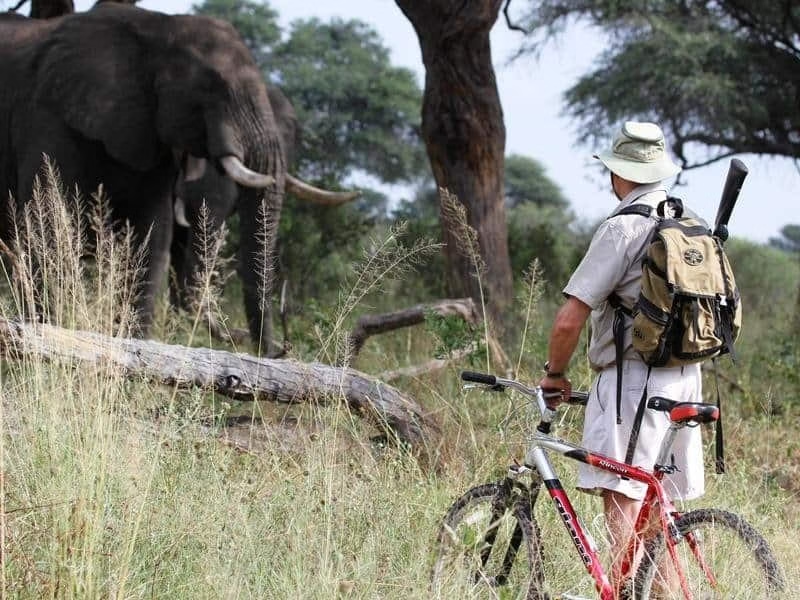
Wild animals are not pets. A responsible safari traveler respects wildlife by observing quietly and keeping a safe distance. Never feed animals or try to get too close for a photo. Avoid making loud noises, and keep your camera flash off.
Always follow your guide’s instructions. Your behavior can affect the animals’ health, safety, and behavior.
-
Stay on Designated Tracks
Off-road driving damages delicate ecosystems, especially in national parks. It crushes plants, disturbs animal tracks, and causes soil erosion. Stick to designated roads and trails—it’s not only safer but also protects habitats for future generations of travelers.
-
Pack Light and Leave No Trace
Minimize your waste by bringing reusable items like a water bottle, tote bag, and food containers. Avoid single-use plastics, which are banned in many African countries (including Rwanda, Kenya, and Tanzania). If you carry snacks, take wrappers back with you.
Dispose of waste properly. If there’s no bin, carry your rubbish until you find one.
-
Support Local Communities
Your safari dollars can go a long way when spent responsibly. Buy handmade crafts, local foods, and community-run experiences. Choose lodges or camps that employ local people and give back to nearby villages.
Learning a few words in the local language and showing respect to cultural traditions makes a big difference. It turns your trip into a cultural exchange, not just a vacation.
-
Choose Accommodations with a Low Environmental Impact
Eco-lodges and tented camps that use solar power, composting toilets, rainwater harvesting, and sustainable building materials have a smaller footprint. Many lodges now limit water use, avoid generators, and operate with wildlife corridors in mind.
Before you book, ask how your camp protects wildlife and conserves resources.
-
Be Mindful of Animal Exploitation
Avoid experiences that involve captive wildlife, such as lion cub petting, elephant riding, or posing with sedated animals. These practices often involve cruelty and do not support true conservation. Instead, seek experiences that prioritize animal welfare and ethical observation.
-
Educate Yourself Before and During Your Trip
Learn about the ecosystems and cultures you’ll encounter before you go. Once on safari, ask your guides about the animals, plants, and local conservation efforts. A responsible traveler values knowledge, understanding, and cultural sensitivity.
Plan Your Tour
Responsible travel makes your safari more rewarding. You’ll help protect endangered wildlife, support communities, and leave nature untouched for others to enjoy. By choosing eco-friendly safari practices, you become a partner in conservation—not just a visitor.
Every decision you make matters.
Plan your safari the responsible way—because true adventure should protect what it explores.