
Problems Facing Tourism in Uganda
Problems Facing Tourism in Uganda
Uganda, known for its rich wildlife, stunning landscapes, and vibrant culture, attracts travelers from all over the world. However, the tourism sector faces several challenges that hinder its growth and development. Here’s an overview of the main problems facing tourism in Uganda.
Inadequate Infrastructure
Despite Uganda’s potential as a tourist destination, its infrastructure is often inadequate, especially in remote areas. Poor road networks, inadequate transportation systems, and limited access to amenities can make traveling within the country challenging for tourists.
Road Conditions
Many of Uganda’s national parks, including those where gorilla trekking takes place, are located in remote areas with poorly maintained roads, making access difficult, particularly during the rainy season.
Limited Accommodation Options
Although there has been growth in the number of lodges and hotels, many areas still lack adequate accommodation options to cater to the increasing number of tourists.
Political Instability and Security Concerns
Uganda has a history of political instability, which sometimes affects its reputation as a tourist destination. Although the country is largely peaceful today, concerns about political tensions, civil unrest, and crime can discourage potential travelers.
Travel Advisories
Negative travel advisories from foreign governments about security risks in some parts of the country can significantly impact tourist numbers.
Local Conflicts
Regional instability in neighboring countries or within Uganda itself may also deter tourists from visiting certain areas.
Environmental Degradation
Uganda’s rich biodiversity and pristine landscapes are some of its greatest tourist attractions. However, environmental degradation poses a significant threat to the sustainability of the tourism industry.
Deforestation
Deforestation, caused by illegal logging and agricultural expansion, threatens habitats of endangered species like gorillas and chimpanzees, which are vital to Uganda’s tourism industry.
Climate Change
Climate change impacts rainfall patterns and wildlife, affecting ecosystems and tourism activities such as trekking and safaris.
Limited Marketing and Promotion
Uganda is not as well-known as other African countries like Kenya or South Africa, and its tourism potential is often under-marketed. Limited resources allocated to the promotion of Uganda’s tourism sector mean fewer international tourists are aware of the country’s diverse attractions.
Branding and Visibility
While efforts are being made, Uganda’s tourism brand still lacks the recognition and visibility that other destinations in Africa have achieved.
Limited Digital Presence
Uganda’s online presence in terms of digital marketing and tourism websites is often underdeveloped, reducing the country’s ability to reach a global audience effectively.
High Costs of Travel
For many travelers, Uganda is seen as a relatively expensive destination, particularly for those wanting to experience the country’s top attractions, such as gorilla trekking. The costs associated with permits, flights, accommodations, and transportation can be prohibitive for budget-conscious tourists.
Gorilla Permits
The cost of gorilla trekking permits in Uganda is one of the highest in the world. Although these fees contribute to conservation efforts, they can be a barrier for many tourists.
Accommodation and Transport
While options are improving, high-quality accommodation and transport to remote areas can still be expensive, further driving up the overall cost of a trip.
Health and Safety Concerns
Health and safety concerns can deter tourists from visiting Uganda. While the country has made significant strides in improving healthcare, some areas still lack proper medical facilities, and health risks such as malaria remain prevalent.
Malaria
Malaria is widespread in Uganda, especially in rural and forested areas. Travelers need to take precautions to avoid malaria transmission.
Limited Medical Facilities
While major cities like Kampala have hospitals, remote areas often lack adequate healthcare facilities, posing risks to tourists in the event of accidents or medical emergencies.
Wildlife Poaching
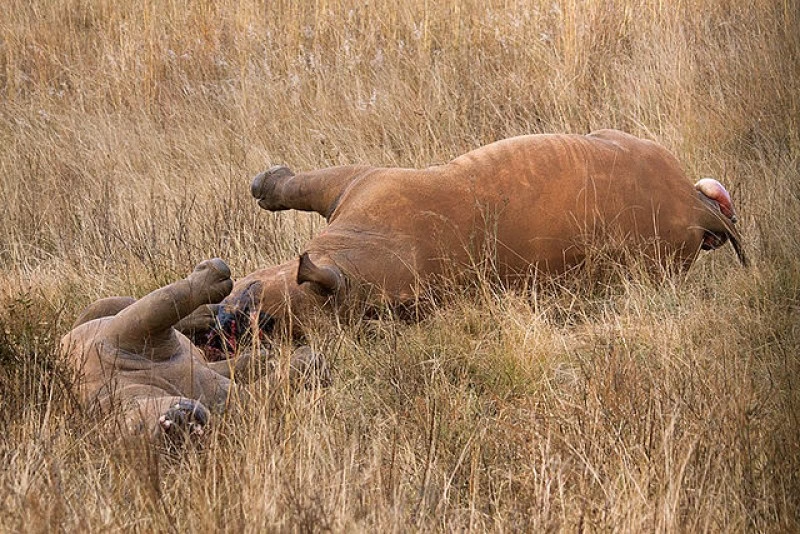
Poaching remains a significant problem in Uganda, with many of the country’s endangered species, including elephants, rhinos, and gorillas, at risk. While Uganda’s government and conservation organizations are working hard to combat poaching, the illegal wildlife trade still threatens the future of many species.
Gorilla Poaching
Despite strict regulations and protective measures, poaching still occurs in some areas, particularly in the regions surrounding national parks.
Threats to Biodiversity
Poaching disrupts ecosystems and hinders efforts to maintain Uganda’s biodiversity, which is critical to its tourism industry.
Unregulated Tourism Activities
While Uganda’s tourism sector is growing, there is a lack of regulation in some areas of the industry. Unregulated tourism activities can harm the environment and wildlife, and inexperienced operators may put tourists at risk.
Irresponsible Tourism
Activities such as illegal wildlife viewing or the exploitation of local communities can harm the reputation of Uganda’s tourism industry.
Lack of Training
A lack of professional training for guides and operators can lead to poor service quality and unsafe conditions for tourists.
Be a steward of these endangered primates
Uganda has immense potential to grow as a leading tourism destination in Africa, but several challenges stand in its way. Improving infrastructure, tackling environmental degradation, ensuring security, and promoting responsible tourism practices are key to overcoming these obstacles. By addressing these issues, Uganda can unlock its full potential and continue to be a top choice for adventure and eco-tourism enthusiasts.