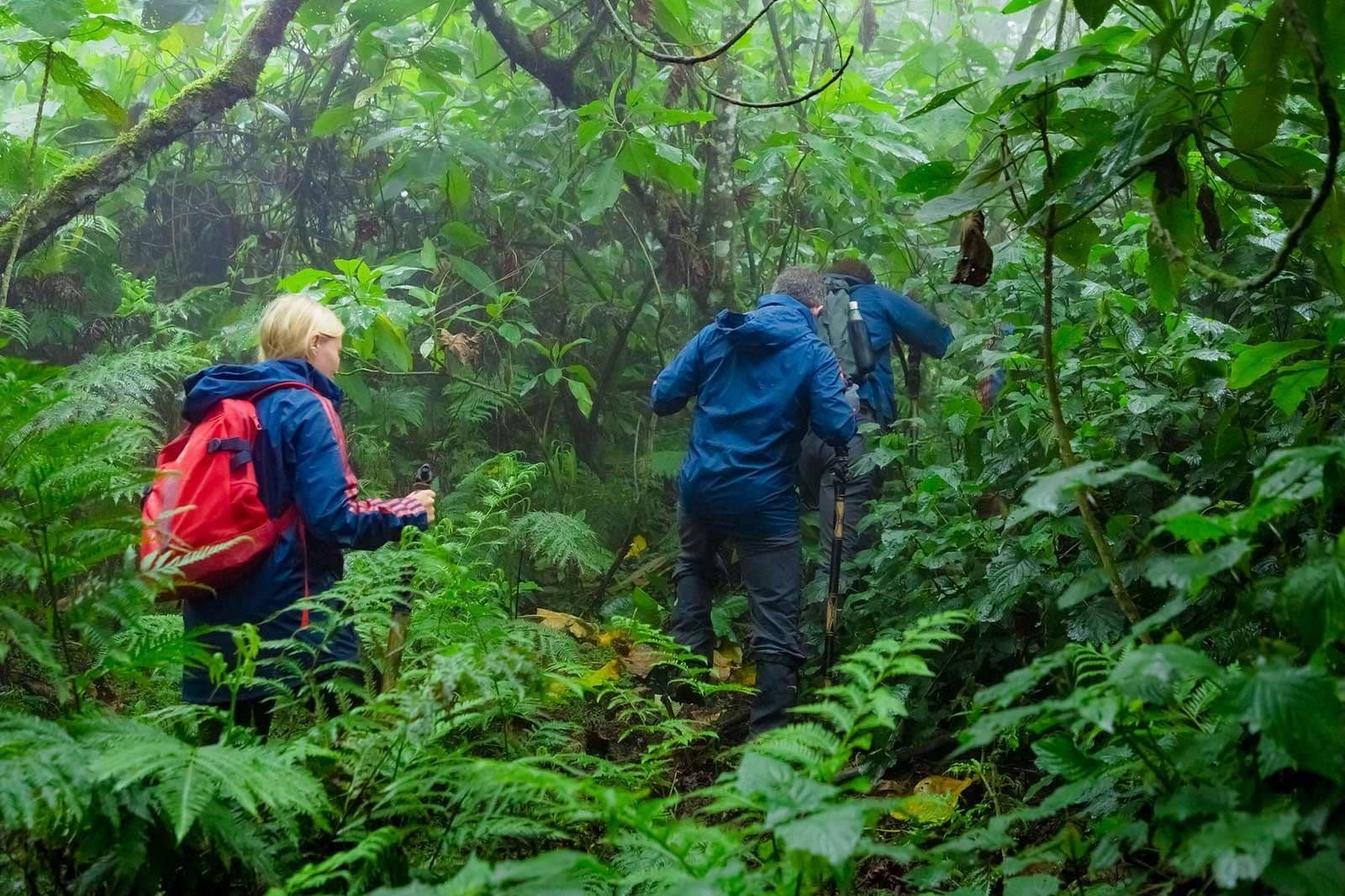

Nature Walks and Hiking in Bwindi Impenetrable National Park
Nature Walks and Hiking in Bwindi Impenetrable National Park
Bwindi Impenetrable National Park is not just famous for its gorilla trekking adventures; it also offers an incredible network of nature walks and hiking trails that unveil the park’s hidden gems. Located in southwestern Uganda, this UNESCO World Heritage Site is a biodiversity hotspot, home to ancient rainforests, rare wildlife, scenic waterfalls, and vibrant local communities.
For nature lovers, hiking through Bwindi’s dense forests offers a chance to immerse in breathtaking landscapes, spot unique flora and fauna, and experience the serenity of one of Africa’s most pristine environments.
Why Go for a Nature Walk in Bwindi?
While gorilla trekking is undoubtedly the highlight for many visitors, nature walks allow you to:
- Explore less-crowded trails with rich biodiversity.
- Discover over 350 bird species, including Albertine Rift endemics.
- Encounter other wildlife like monkeys, duikers, and colorful butterflies.
- Enjoy breathtaking views of valleys, rivers, and waterfalls.
- Experience authentic cultural encounters with local communities.
With experienced guides from the Uganda Wildlife Authority (UWA), these walks are safe, educational, and enriching.
Popular Nature Walks and Hiking Trails in Bwindi
-
Munyaga River Trail (Easy, 1–2 Hours)
Ideal for visitors with limited time, the Munyaga River Trail starts near the Buhoma visitor center. It’s an easy, scenic walk along the riverbanks, perfect for spotting:
- Primates: Black-and-white colobus monkeys, blue monkeys
- Birds: African green pigeons, sunbirds
- Waterfalls: Hidden cascades tucked within the dense foliage
The trail is also rich in plant life, with giant ferns, moss-covered trees, and vibrant wildflowers.
-
Waterfall Trail (Moderate, 3–4 Hours)
The Waterfall Trail is one of the most rewarding hikes in Bwindi. Starting from Buhoma, the trail winds through thick rainforest, crossing streams and bridges until you reach a stunning 33-meter waterfall.
Along the way, you’ll encounter:
- Colorful butterflies and unique orchids
- Bird species like the African broadbill and black bee-eaters
- Lush vegetation typical of Bwindi’s ancient forest
The sound of cascading water amidst the dense greenery creates a tranquil, almost magical atmosphere.
-
Rushura Hill Trail (Challenging, 3–4 Hours)
For panoramic views, the Rushura Hill Trail is a must. This trail climbs to one of Bwindi’s highest ridges, offering sweeping vistas of:
- The Virunga Volcanoes in Rwanda and the Democratic Republic of Congo
- Lake Edward shimmering in the distance
- The Rwenzori Mountains, often shrouded in mist
The ascent is moderately challenging, but the reward is a breathtaking 360-degree view of Uganda’s diverse landscapes.
-
Ivy River Trail (Moderate, 6–7 Hours)
The Ivy River Trail is perfect for adventurous hikers looking for a longer, immersive forest trek. This trail connects the Buhoma and Nkuringo sectors, following an old trading route once used by local communities.
Highlights include:
- Diverse ecosystems ranging from dense jungle to open clearings
- Birdwatching opportunities, with sightings of the African harrier hawk and Dusky twinspot
- Interactions with local villagers along the way
This trail can be done as a one-way hike, with transportation arranged at the endpoint, or as part of a multi-day trekking itinerary.
-
Habinyanja Trail (Moderate, 4–6 Hours)
Starting from Buhoma, the Habinyanja Trail leads to the beautiful Habinyanja Swamp, a haven for birdwatchers. The trail meanders through dense forest before opening up to the swamp area, where you can spot:
- African black ducks
- Pel’s fishing owl
- Pied kingfishers
The swamp’s tranquil waters, surrounded by lush greenery, create an ideal environment for both birdlife and peaceful reflection.
Wildlife and Birdlife Encounters
While gorillas are the main attraction in Bwindi, nature walks reveal the park’s broader biodiversity:
Primates:
- L’Hoest’s monkeys
- Red-tailed monkeys
- Vervet monkeys
Mammals:
- Forest elephants (rare sightings)
- Duikers and bushbucks
- Giant forest hogs
Birds:
- Rwenzori turaco
- African green broadbill (endemic)
- Bar-tailed trogon
- Black-billed turaco
Bwindi’s birdwatching opportunities are world-renowned, especially for those interested in Albertine Rift endemics.
Cultural Experiences Along the Trails
Many nature walks pass near or through local communities, providing opportunities to:
- Visit traditional homesteads of the Bakiga and Batwa people
- Learn about traditional farming techniques and medicinal plants
- Participate in cultural performances, including dance and drumming sessions
These encounters offer a deeper understanding of the human-nature relationship in Bwindi, highlighting the importance of community-led conservation efforts.
Best Time for Nature Walks in Bwindi
The best time for hiking in Bwindi is during the dry seasons:
- December to February
- June to August
During these months, trails are less muddy, and wildlife sightings are more frequent. However, Bwindi’s tropical rainforest climate means occasional rain showers can occur year-round.
Packing List for Nature Walks in Bwindi
- Sturdy hiking boots (waterproof recommended)
- Lightweight, long-sleeved clothing to protect against insects
- Rain jacket (even during dry seasons)
- Hat and sunglasses for sun protection
- Binoculars for birdwatching
- Reusable water bottle and energy snacks
- Walking stick (often provided by guides)
Hiring a local porter can enhance your experience by easing the load and providing insights about the forest.
Permits and Guides
Nature walks in Bwindi are regulated by the Uganda Wildlife Authority (UWA). While you don’t need a special permit like for gorilla trekking, walks must be guided by UWA rangers for safety and conservation purposes.
You can book nature walks:
- Directly at the Buhoma Visitor Center
- Through your lodge or tour operator
Nature walks and hiking in Bwindi Impenetrable National Park offer more than just a stroll through the forest—they’re an intimate journey into one of the world’s most biologically rich and culturally vibrant regions. Whether you’re chasing waterfalls, spotting rare birds, or connecting with local communities, every trail in Bwindi reveals a new story.
So, after your gorilla trekking adventure, lace up your boots again and explore the forest’s hidden wonders. Nature in Bwindi is always calling