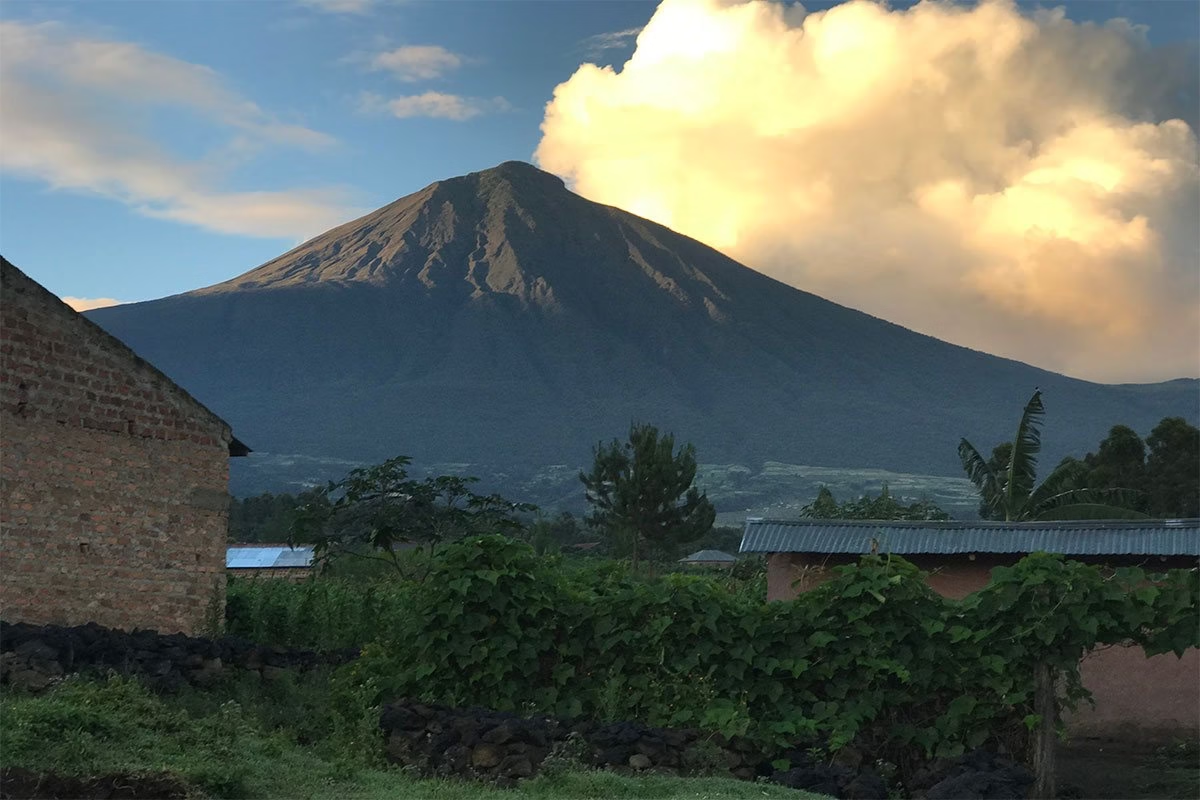

Mount Muhabura
Climbing Mount Muhabura: Rwanda’s Towering Volcano Trek
Mount Muhabura hike. Mount Muhabura, also known as Mount Muhavura, stands as a towering sentinel at 4,127 meters above sea level. It’s the third-highest peak in the Virunga range and straddles the border between Rwanda and Uganda. Its perfectly conical shape and summit crater lake make it a striking feature on the horizon. The name “Muhabura,” meaning “The Guide” in Kinyarwanda, reflects its role as a natural beacon for travelers across the region.
This hike offers one of the most physically demanding but scenically rewarding trekking experiences in East Africa. It attracts hikers seeking more than just a trail—a challenge, a panorama, and a raw connection to nature.
The Mount Muhabura Hiking Experience
The hike to the summit of Mount Muhabura is a steep, full-day trek that tests endurance and determination. The trail begins at around 2,500 meters and steadily rises to 4,127 meters over rugged volcanic slopes. Most hikers complete the round trip in 7 to 9 hours, though this depends on weather, fitness, and trail conditions.
The journey begins with a ranger briefing at Volcanoes National Park headquarters in Kinigi. After a short drive to the base, the trail cuts through bamboo forests and transitions into Hagenia woodland, followed by alpine vegetation. The higher you climb, the more dramatic the landscape becomes.
As you ascend, you’ll feel the air grow thinner and the terrain more challenging. But each meter rewards you with sweeping views of Rwanda’s Twin Lakes—Burera and Ruhondo—and, from the summit, a glimpse of Lake Bunyonyi in Uganda. A small crater lake crowns the summit, surrounded by volcanic scree and alpine grasses.
Wildlife and Ecology
Mount Muhabura is rich in biodiversity. Along the trail, golden monkeys dart through the lower forests. Rare birds, including sunbirds and turacos, move between branches. Occasionally, hikers report distant sightings of mountain gorillas, although such encounters are rare and brief.
The mountain’s ecological zones change with elevation. Bamboo and hagenia dominate the lower slopes, while higher up, lobelias and giant groundsels replace the trees. This diversity makes the trek not only physically demanding but biologically fascinating.
Hiking Permits and Entry Fees
Hikers must obtain a permit to climb Mount Muhabura. The cost varies based on nationality and residency:
For Rwanda (Volcanoes National Park):
- Foreign non-residents pay $100
- Foreign residents pay $75
- East African citizens pay $60
- Rwandan citizens pay RWF 5,000
For Uganda (Mgahinga Gorilla National Park):
- Foreign non-residents pay $80
- Foreign residents pay $70
- East African citizens pay UGX 50,000
Permits can be booked through the Rwanda Development Board or Uganda Wildlife Authority, or arranged by registered tour operators. All treks are led by armed rangers and certified guides for safety and interpretation.
Best Time to Hike Mount Muhabura
The dry seasons offer the best conditions for this demanding hike. Plan your trek between June and September or December to February. During these months, trails remain firmer, skies tend to be clearer, and summit views are more rewarding.
Rains from March to May and again from October to November can turn the trail muddy and steep sections slippery, increasing difficulty and reducing visibility.
What to Bring on Your Hike
Mount Muhabura’s high elevation and unpredictable weather require proper preparation. Dress in layers and carry waterproof gear. Gloves and long sleeves protect against stinging nettles and cold winds at high altitude.
Bring a daypack with at least 2 liters of water, high-energy snacks, and a packed lunch. A walking stick helps with balance on steep or loose ground. Sturdy hiking boots are essential. Most rangers provide one stick per person at the trailhead, but feel free to bring your own.
If you’re not used to high altitudes, take it slow and consider acclimatization hikes the day before. The air gets thinner above 3,000 meters, and altitude sickness can affect even experienced hikers.
Reaching Mount Muhabura
From Kigali, the drive to Kinigi takes about 2.5 to 3 hours. Most trekkers stay overnight in nearby Musanze or Kinigi to start the hike early the next morning. From the park headquarters, a short 40-minute drive leads to the trailhead near the border.
If you choose the Uganda side, travel to Kisoro town, then drive to Mgahinga Gorilla National Park, where the trail also begins with a ranger briefing.
Where to Stay
Rwanda offers excellent lodging options near the trailhead:
- Mountain Gorilla View Lodge and Sabyinyo Silverback Lodge provide comfortable accommodations and great food.
- Hotel Muhabura is a simpler and budget-friendly option in Musanze town.
- On the Uganda side, consider Mount Gahinga Lodge or Traveler’s Rest Hotel in Kisoro.
Booking in advance is recommended, especially in peak seasons.
Plan Your Mount Muhabura Adventure
If you are looking for a rewarding challenge that delivers dramatic views, raw landscapes, and unforgettable memories, then the Mount Muhabura hike is the right trek. It’s more strenuous than Mount Bisoke but shorter than Karisimbi’s two-day climb—making it perfect for serious hikers who want to conquer a volcano in a day.
Pair it with gorilla trekking or cultural tours in the area, and your Rwandan adventure becomes even more fulfilling.