

Lion Tracking in Uganda’s Queen Elizabeth National Park
Lion Tracking in Uganda’s Queen Elizabeth National Park
Uganda is famous for its mountain gorillas, but one of its most thrilling and lesser-known safari experiences lies in the savannah plains of Queen Elizabeth National Park—lion tracking. Unlike a standard game drive, lion tracking offers travelers a chance to go behind the scenes with researchers, helping monitor some of Africa’s most iconic predators.
If you’re seeking an immersive, educational, and unforgettable wildlife encounter, this activity offers something unique that few safari destinations can match.
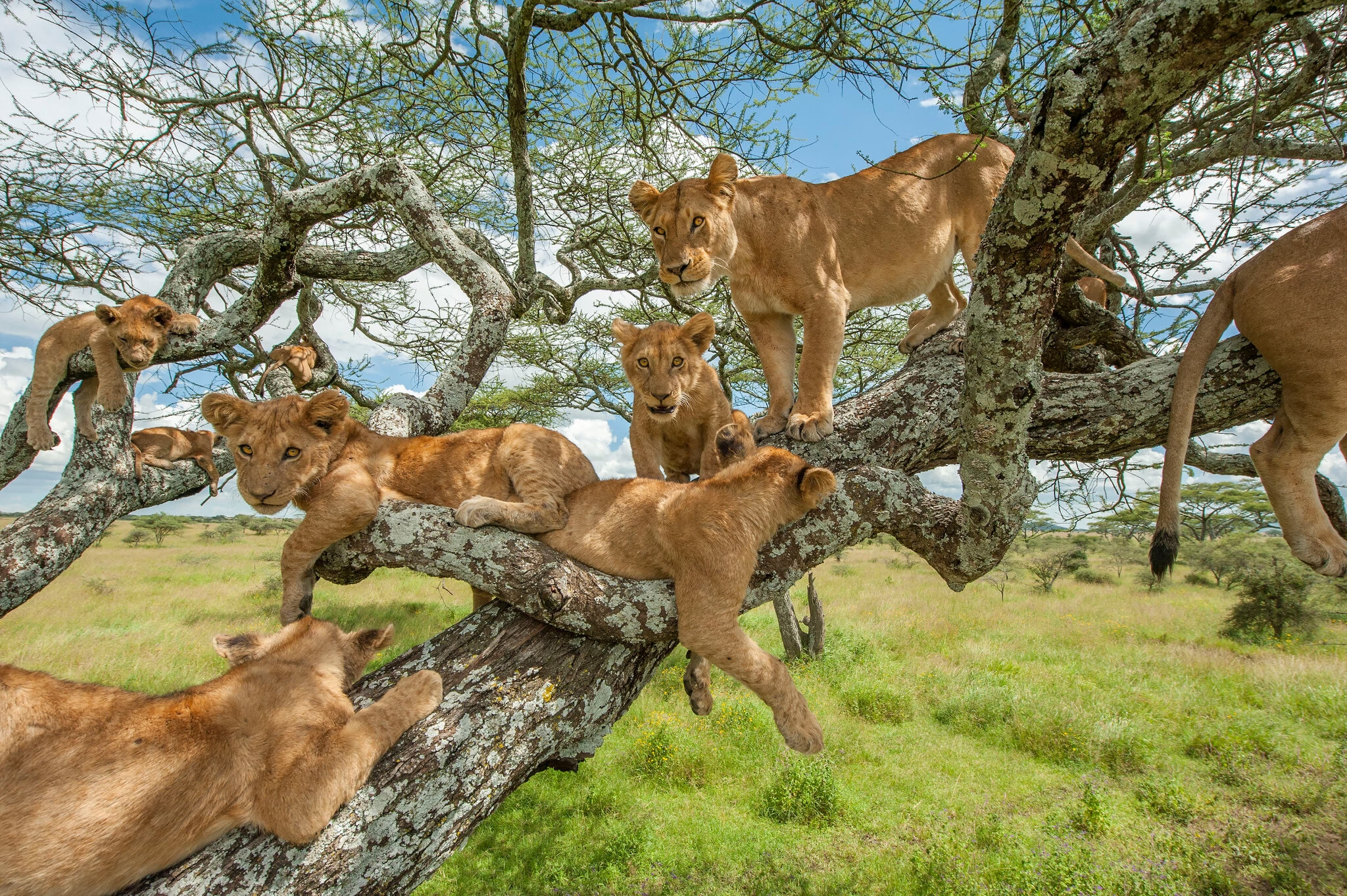
What is Lion Tracking?
Lion tracking is a specialized activity conducted in partnership with the Uganda Carnivore Program (UCP). It allows a small group of guests to join wildlife researchers and park rangers as they monitor and locate lions using radio telemetry.
Some lions in Queen Elizabeth National Park are fitted with GPS collars that emit signals. Researchers use these signals to find the lions and gather data on their behavior, movements, social structure, and territory. As a visitor, you get to ride along and participate in this real-time research, offering both up-close lion encounters and insights into their conservation.
Where Does It Take Place?
The lion tracking experience happens in the Kasenyi Plains, located in the northern section of Queen Elizabeth National Park. This part of the park is an open savannah ecosystem dominated by Uganda kobs, which attract predators like lions, leopards, and hyenas.
The wide landscapes, clear visibility, and high prey density make it the perfect spot for tracking and observing lions in action.
What to Expect During the Experience
Lion tracking usually takes place early in the morning or late in the afternoon when lions are more active. The activity lasts between 2 to 3 hours.
After a short briefing at the park headquarters, you head into the field in a 4×4 vehicle, accompanied by researchers. Using telemetry equipment, you’ll follow the signal toward lion prides that have been collared for monitoring.
Once the lions are located, you’ll have time to observe them from a safe distance. Watch them rest, interact, or patrol their territory. Researchers will explain everything from pride dynamics to hunting strategies and conservation challenges.
This is not just about seeing lions—it’s about understanding their world.
Cost and Booking
As of the latest updates, the lion tracking permit costs:
- $100 USD per person for foreign visitors
- UGX 100,000 for East African citizens
This fee supports the Uganda Carnivore Program’s efforts in predator conservation and contributes to the Uganda Wildlife Authority’s research initiatives.
Bookings can be made through licensed tour operators or directly with the Uganda Wildlife Authority. Since this activity has limited daily slots, it’s recommended to book at least 24 hours in advance.
Why Lion Tracking is Unique
Unlike regular safaris where sightings rely mostly on luck, lion tracking uses science to locate the animals. That means your chances of finding lions are much higher.
Additionally:
- You go off the regular game drive routes, accessing areas usually closed to the general public
- You’re guided by actual researchers, not just safari drivers, making the experience more informative
- It’s a way to contribute directly to conservation, not just observe it from a distance
For anyone passionate about wildlife or conservation, this is a must-do in Uganda.
How to Get to Queen Elizabeth National Park
Queen Elizabeth National Park is located in western Uganda, about 7–8 hours by road from Kampala. You can also take a domestic flight from Entebbe to Mweya Airstrip, which sits within the park boundaries.
The Kasenyi Plains, where lion tracking takes place, are about 40 minutes from Mweya Lodge and easily accessible by road.
Where to Stay
There are several excellent accommodation options near the Kasenyi sector, suitable for different budgets:
- Mweya Safari Lodge – A high-end lodge with beautiful views over the Kazinga Channel and top-tier amenities
- Kasenyi Safari Camp – A mid-range tented lodge located close to the lion tracking area
- Enganzi Game Lodge – A comfortable option on the escarpment, offering great views and easy access to game drive routes
Staying near the park will give you an early start advantage and better light for photography.
Best Time to Track Lions
Lion tracking is available year-round, but the dry seasons from June to September and December to February offer better road conditions and clearer visibility.
During these months, wildlife tends to gather around water sources, and the grass is shorter—making it easier to spot animals.
Final Thoughts
Lion tracking in Queen Elizabeth National Park is not just about seeing lions—it’s about understanding them, helping protect them, and becoming part of a real conservation effort. You’ll leave with more than just photos. You’ll leave with a deeper respect for Uganda’s wilderness and those working tirelessly to preserve it.