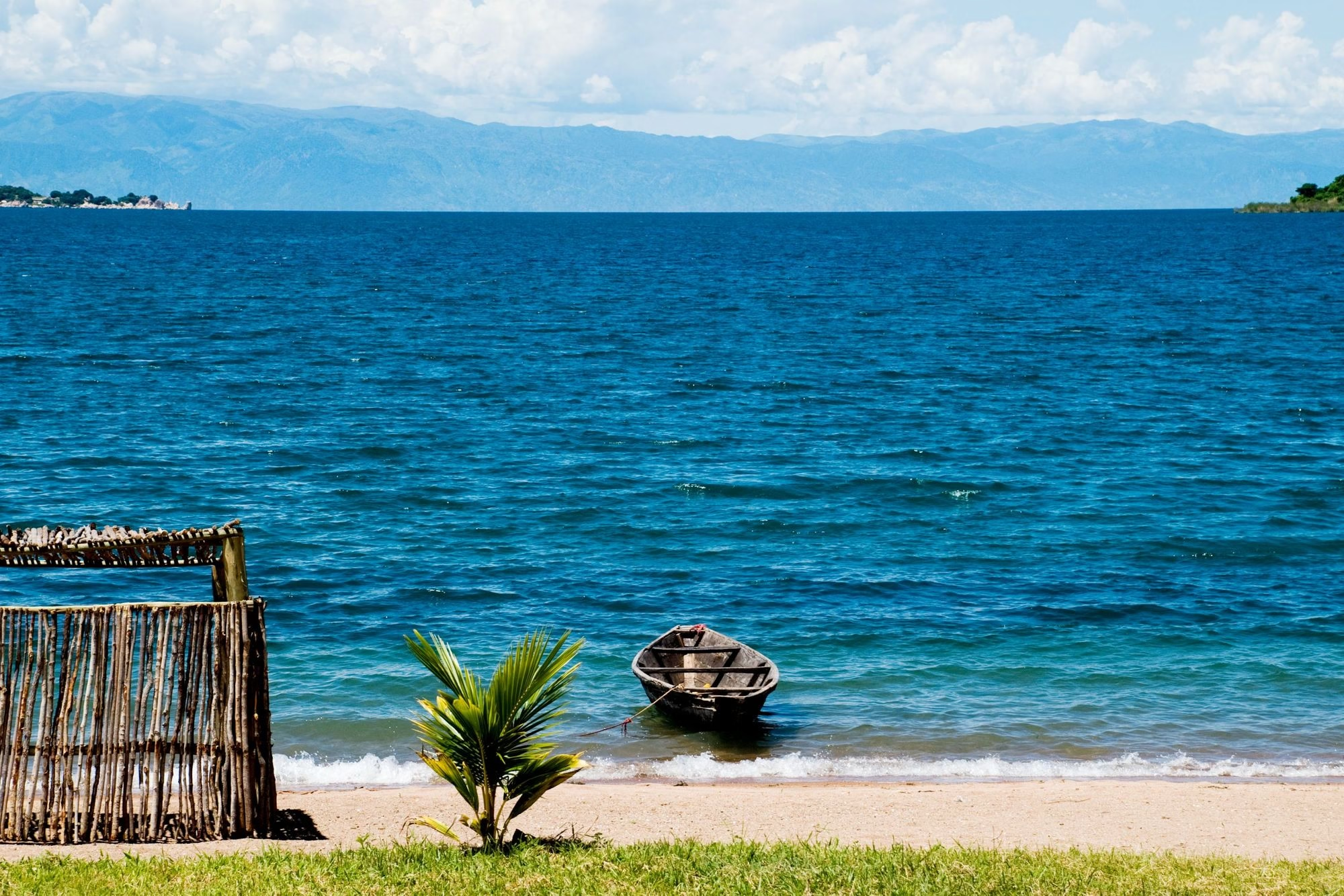

Lake Tanganyika
Lake Tanganyika – The Deepest Lake in Africa
Lake Tanganyika is a breathtaking natural wonder that stretches across four countries in East and Central Africa. Known for its immense depth, ancient origins, and incredible biodiversity, Lake Tanganyika is the deepest lake in Africa and the second-deepest lake in the world. Its towering cliffs, rich aquatic life, and vital economic role make it a key natural and cultural asset to the region.
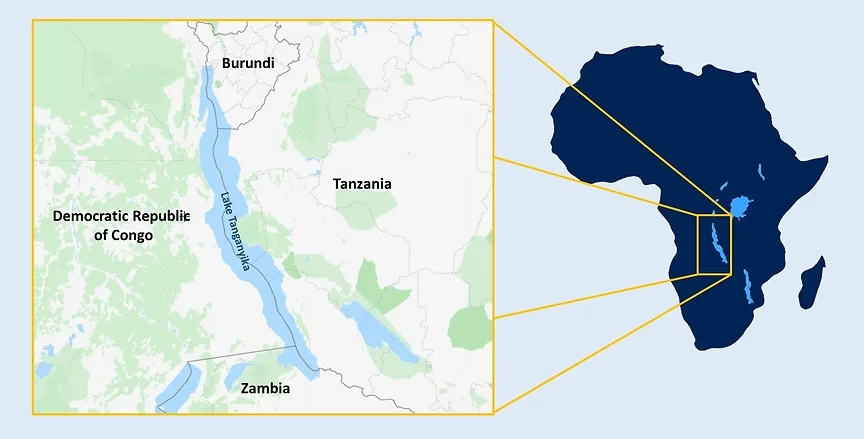
Geography and Depth
Lake Tanganyika spans four countries: Tanzania, Democratic Republic of Congo (DRC), Burundi, and Zambia. The lake stretches roughly 673 kilometers (418 miles) in length and 50 kilometers (31 miles) at its widest point. It holds the title of Africa’s deepest lake, plunging to a maximum depth of 1,470 meters (4,823 feet). Only Lake Baikal in Russia is deeper.
The lake also ranks as the longest freshwater lake in the world. Its vast length and isolation have given rise to extraordinary biological diversity, with many species found nowhere else.
Formation and Age
Lake Tanganyika formed over 9 to 12 million years ago due to tectonic activity along the East African Rift Valley. It lies in a rift zone where tectonic plates are slowly pulling apart, forming a deep basin. Over time, water filled this depression, creating one of the world’s most unique and ancient lake ecosystems.
Because of its age and depth, Tanganyika stores millions of years of sedimentary history at its bottom. These layers help scientists study ancient climate patterns and geological shifts.
Biodiversity and Aquatic Life
Lake Tanganyika is one of the most biodiverse freshwater lakes on Earth. It hosts over 350 species of fish, with about 60% being endemic, meaning they exist nowhere else. The lake is especially famous for its colorful cichlid fish, a favorite among aquarists worldwide.
In addition to fish, the lake is home to mollusks, crustaceans, and even freshwater jellyfish. Its shoreline supports hippos, crocodiles, and countless bird species, making it a haven for birdwatchers and nature lovers.
Human Settlements and Cultural Importance
Over 10 million people live in the Lake Tanganyika basin. Cities such as Bujumbura (Burundi), Kigoma (Tanzania), and Kalemie (DRC) rely heavily on the lake for transport, food, and trade. Fishing is a key economic activity, providing protein to local diets and income through commercial and artisanal fisheries.
The lake also has cultural importance. Many local groups and communities have traditional beliefs and rituals tied to the lake, which they view as a source of life and spiritual significance.
Transportation and Trade
Lake Tanganyika serves as a vital transportation route in a region where road networks can be unreliable. Passenger ferries, cargo boats, and fishing vessels crisscross the lake daily, connecting towns and facilitating cross-border trade. Major ports such as Mpulungu (Zambia) and Uvira (DRC) serve as trade hubs, especially for goods like fish, timber, and agricultural produce.
Environmental Concerns
Despite its beauty and importance, Lake Tanganyika faces significant environmental threats:
- Climate change has led to warming surface temperatures, disrupting aquatic life and oxygen levels in deep water.
- Overfishing threatens endemic species, especially as demand increases.
- Pollution from agriculture and mining harms water quality and aquatic ecosystems.
- Deforestation in the watershed increases sedimentation and alters the lake’s nutrient balance.
Efforts are underway to promote sustainable fishing, community conservation, and cross-border cooperation to protect the lake for future generations.
Tourism and Activities
Lake Tanganyika is a growing destination for ecotourism and adventure travel. Popular activities include:
- Snorkeling and scuba diving to see colorful cichlids and underwater rock formations.
- Lake cruises and kayaking along dramatic cliffs and hidden bays.
- Wildlife watching in nearby reserves like Mahale Mountains and Gombe Stream National Parks, home to chimpanzees and other primates.
Remote lodges along the Tanzanian and Zambian shores offer visitors peace, nature, and breathtaking views.
Key Facts at a Glance
- Location: Tanzania, DRC, Burundi, Zambia
- Max Depth: 1,470 meters (4,823 feet)
- Length: 673 kilometers (418 miles)
- Volume: ~18,900 cubic kilometers
- Type: Rift Valley Lake
- Biodiversity: Over 350 fish species, 60% endemic
Plan Your Visit
Lake Tanganyika is more than just the deepest lake in Africa—it’s a symbol of ancient Earth history, a center of aquatic life, and a lifeline for millions. Whether you are diving into its clear waters or exploring its cultural shores, Lake Tanganyika offers one of Africa’s most remarkable natural experiences.
Ready to explore East Africa’s hidden jewel?
Plan your journey to Lake Tanganyika today and experience the magic of Africa’s deepest waters.