
How to Plan a Wildlife Safari in Africa
How to Plan a Wildlife Safari in Africa
Africa is a continent filled with diverse ecosystems, vibrant cultures, and, of course, incredible wildlife. Planning a wildlife safari in Africa is a dream for many adventurers, but it requires some thoughtful planning to make the most of your experience. Whether you’re looking to see the “Big Five” or immerse yourself in the untamed beauty of nature, a well-planned safari can provide memories that last a lifetime.
Here’s everything you need to know to plan your African wildlife safari:
-
Choose the Right Safari Destination
Africa is home to numerous world-class safari destinations, each offering different landscapes and wildlife experiences. The key is selecting the destination that best fits your interests. Here are some top wildlife safari destinations in Africa:
Kenya
Witness the Great Migration in Maasai Mara, visit Amboseli National Park to see elephants with Mount Kilimanjaro in the background, and explore the diverse wildlife of Tsavo. The Great Migration, savannah wildlife, Maasai Mara National Reserve.
Tanzania
Enjoy a classic safari in the Serengeti, experience game drives and walking safaris in Ngorongoro Crater, and relax on the island of Zanzibar after your safari.
Best for: Serengeti, Ngorongoro Crater, Zanzibar.
South Africa
Spot the Big Five in Kruger National Park, explore private reserves such as Sabi Sand and Madikwe, and combine wildlife with luxury at top-tier lodges. Its best for: The Big Five, Kruger National Park, private game reserves.
Botswana
Explore the Okavango Delta’s water-based safaris, spot elephants in Chobe, and enjoy luxurious tented camps in the wilderness.
Uganda
Trek through Bwindi Impenetrable Forest for gorilla tracking, explore Kibale for chimpanzee safaris, and see lions in Queen Elizabeth National Park.
Zambia
Experience walking safaris in South Luangwa, go on boat safaris along the Zambezi River, and explore the Lower Zambezi for its wildlife-rich environment.
-
Decide on the Best Time to Visit
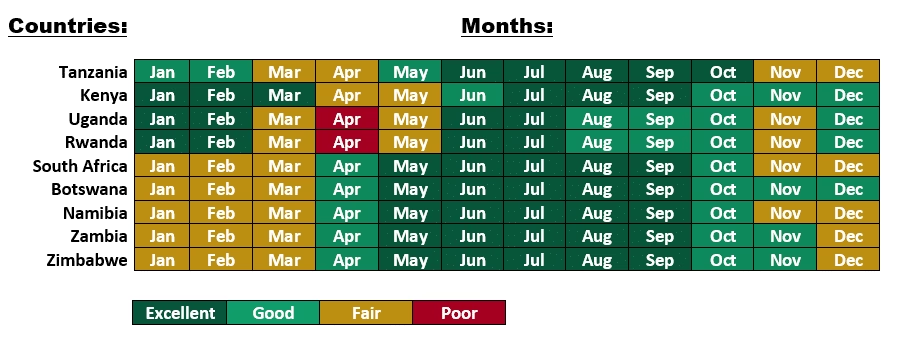
The best time for an African wildlife safari depends on the region and what you hope to experience.
General Safari Seasons
Dry Season (June to October)
This is the most popular time to go on safari. Animals tend to congregate around water sources, making it easier to spot them. The weather is also generally pleasant, with less rain and clear skies.
Green Season (November to April)
While there’s more rain, the landscape is lush and green, and the birdlife is abundant. The green season can also be less crowded and more affordable. However, some roads may be harder to navigate due to the rain.
Key Considerations:
Migration
If you are hoping to witness the Great Migration, plan your trip between July and October for the best viewing in Maasai Mara and Serengeti.
Gorilla Trekking
If you are trekking gorillas in Uganda or Rwanda, the best time to go is during the dry months from June to September and December to February, although trekking can happen year-round.
-
Set a Realistic Budget
Your safari budget will depend on various factors, including the destination, the type of safari, accommodation, and the time of year you visit. Here’s a general breakdown of safari costs:

- Luxury Safari: High-end safari lodges and private game reserves can range from $500 to $1,500 per person per night.
- Mid-Range Safari: A combination of comfortable lodges and group safaris may cost $250 to $500 per person per night.
- Budget Safari: Budget-friendly options, including campsites or simple lodges, may range from $100 to $250 per person per night.
Additional costs to consider include:
- Park entry fees range from $20 to $100 per day depending on the park.
- Activities like walking safaris, game drives, or boat safaris (typically $50 to $200 per activity).
- Travel expenses such as flights and transfers.
Booking early and traveling during the green season can help reduce costs without compromising the safari experience.
-
Choose the Right Type of Safari
There are various types of safaris to choose from, depending on your interests and level of adventure:
Traditional Game Drives
These are the most common and typically conducted in 4×4 vehicles with a guide. It’s the perfect way to see Africa’s wildlife up close, especially the Big Five.
Walking Safaris
Led by an experienced guide, walking safaris give you a more intimate experience with nature. This type of safari is available in many national parks like South Luangwa in Zambia and Kruger in South Africa.
Boat Safaris
In areas like the Okavango Delta and Chobe National Park, boat safaris provide a unique perspective on wildlife, especially aquatic animals like hippos, crocodiles, and water birds.
Hot Air Balloon Safaris
Take to the skies in a hot air balloon for a bird’s-eye view of the landscape. This is popular in areas like the Maasai Mara and Serengeti, especially during the migration.
Gorilla Trekking
Uganda, Rwanda, and the DRC offer unforgettable gorilla trekking experiences. This involves hiking through the jungle to find a family of gorillas. It’s an amazing once-in-a-lifetime experience, but it requires stamina and an interest in primates.
-
Book Your Safari with a Reputable Tour Operator
While it’s possible to book a safari independently, using a reputable tour operator offers several advantages. A good safari operator can help you:
- Tailor your itinerary to your interests, whether you want to focus on wildlife photography, a family safari, or a romantic getaway.
- Handle logistics like permits (e.g., for gorilla trekking), accommodations, and transport.
- Ensure safety and expert guidance by providing experienced local guides who know the terrain and wildlife.
-
Pack Wisely
Packing for a safari requires thoughtfulness, as you’ll be in a variety of environments and climates. Some essential items include:
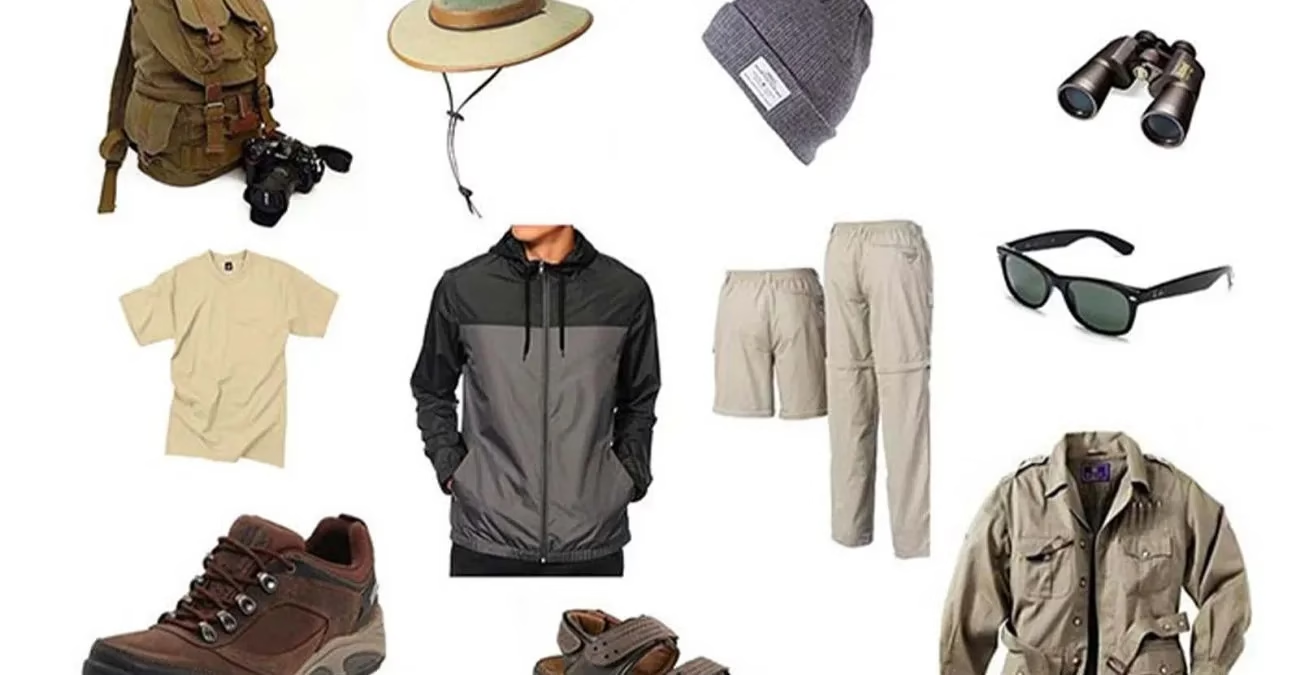
- Neutral-colored clothing (khaki, olive, brown) to blend into the environment.
- Lightweight clothing for the day and a warm jacket for early morning game drives.
- Sun protection like sunscreen, a hat, and sunglasses.
- Insect repellent to protect yourself from mosquitoes, especially in malaria-prone areas.
- Binoculars for wildlife viewing and a camera with a good zoom lens for photographing animals.
- Personal items such as medications, a flashlight, and a reusable water bottle.
-
Respect Local Etiquette and Conservation Efforts
Lastly, it’s important to respect the wildlife and local communities. Follow the park rules, adhere to the guidance of your safari guide, and avoid disturbing the animals. Many African safari destinations are committed to conservation efforts, and your visit can help support these initiatives.
Plan Your Safari
Planning a wildlife safari in Africa is a thrilling and rewarding experience. By choosing the right destination, considering the best time to visit, setting a reasonable budget, and selecting the perfect safari type, you can create an unforgettable adventure. Whether you’re trekking gorillas in Uganda or witnessing the Great Migration in Kenya, Africa’s wild heart awaits.