
How to Get to Virunga National Park.
How to Get to Virunga National Park—A Complete Travel Guide
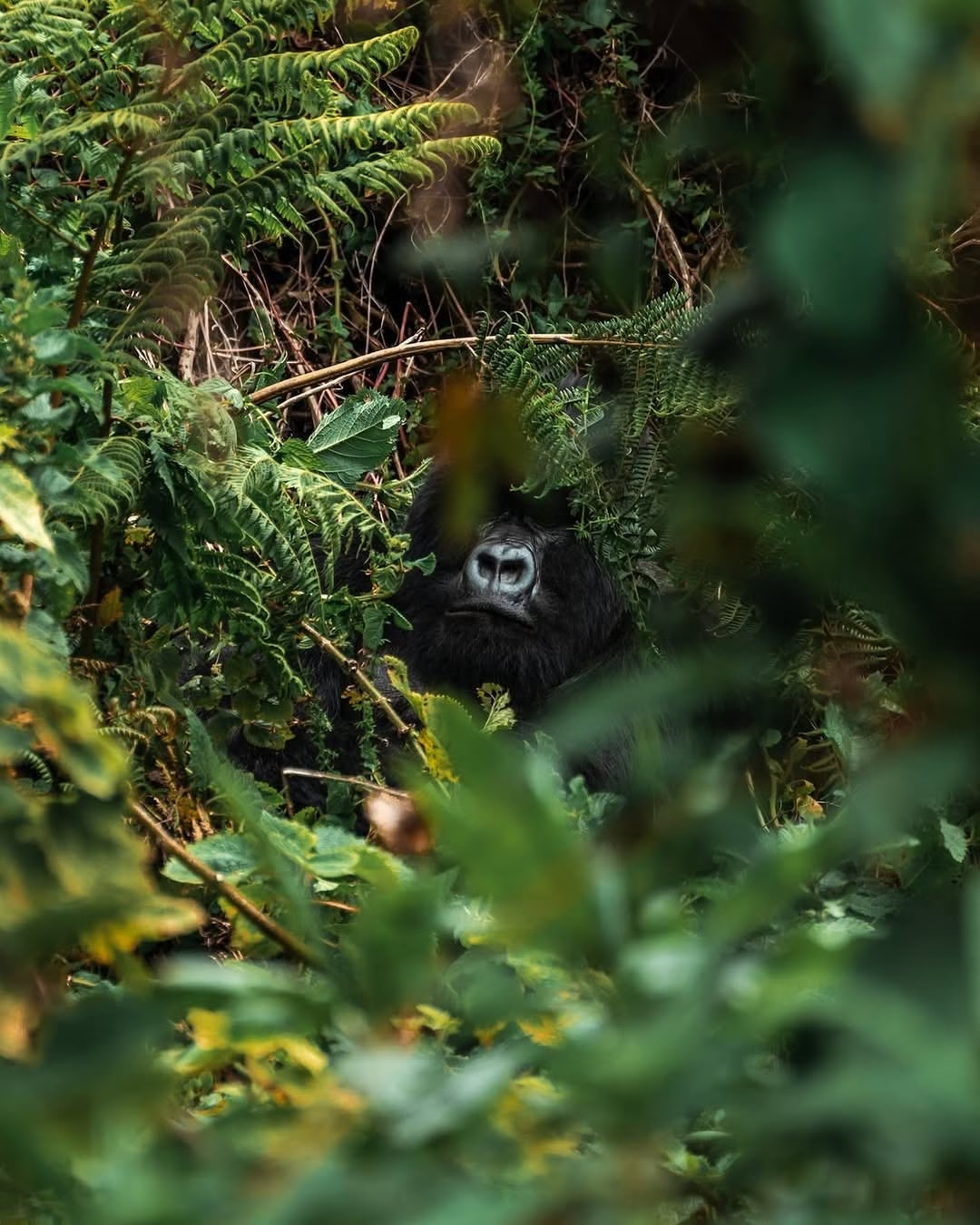
Virunga National Park stands as one of Africa’s most captivating wildlife destinations. Located in the eastern Democratic Republic of Congo (DRC), this UNESCO World Heritage Site is home to endangered mountain gorillas, volcanic peaks, and dense tropical forests. Reaching Virunga requires planning, but the journey rewards you with one of the most raw and untouched safari experiences on Earth.
Here’s how to get to Virunga National Park safely and efficiently.
Start in Kigali, Rwanda – The Most Common Route
Most travelers begin their journey to Virunga in Kigali, Rwanda’s capital. Kigali International Airport (KGL) offers frequent connections from Europe, the Middle East, and other parts of Africa. The city sits just a few hours from the Congo border.
Once in Kigali:
- Travel by road to Gisenyi (also known as Rubavu), a Rwandan border town next to Goma.
- The drive takes about 3 to 4 hours on a well-maintained tarmac road.
- At the Grande Barrière border post, you’ll cross into Goma, the gateway to Virunga National Park.
Upon arrival at the border, the Virunga tourism team usually meets travelers, arranges transport, and helps navigate visa procedures. You must have pre-arranged your Virunga tourist visa before arrival.
Tourist Visa and Permits
Virunga National Park offers a special tourist visa that grants entry to the DRC specifically for park activities. You cannot enter the country without a valid purpose linked to Virunga tourism.
Here’s what you need:
- Tourist visa (typically 105 USD) issued only if you book a tour or permit through the official site.
- Gorilla trekking permit (400 USD) or other park activity bookings.
- Yellow fever vaccination card for crossing into the DRC.
Flights into Goma (Optional for Regional Travelers)
If you are already in the region, you can fly directly into Goma International Airport from cities like Kinshasa or Entebbe. These flights are less frequent and mostly serve regional traffic.
Note: You cannot fly into Goma on an international ticket unless you’re already in Africa. Most international travelers still find Kigali the easiest gateway.
Alternative Access from Uganda
For travelers in southwestern Uganda, it’s possible to reach Virunga via the Bunagana border, near Kisoro. This route is less common but may suit overland travelers or those combining visits to Mgahinga Gorilla National Park or Bwindi.
From Kisoro:
- Drive to Bunagana border.
- Cross into the DRC.
- Continue by 4×4 to Bukima or Rumangabo, the main park entry points.
Always coordinate with the Virunga park team in advance for this route.
Park Transportation and Safety
All transport within Virunga is arranged by the park. Visitors must travel in official convoys or vehicles for safety and logistical support. Armed rangers and trained guides accompany all excursions. The park prioritizes security, and any visits are suspended if conditions become unstable.
Travelers should:
- Book activities and accommodation directly through Virunga.org.
- Avoid independent travel within eastern DRC.
- Follow the park’s safety advisories closely.
Best Time to Visit Virunga
The trails remain firmer, and wildlife viewing improves. However, expect humidity and occasional rain even during dry months. Virunga remains open year-round, but the best times for gorilla trekking and hiking are during the dry seasons:
- June to September
- Mid-December to February
Plan Your Virunga Adventure
To enter Virunga National Park, travelers must plan ahead. Book your gorilla trek, Nyiragongo volcano hike, or lodge stay at least 2 to 3 weeks in advance. All activities require permits, and spots fill quickly during peak seasons. Once in Virunga, the rewards are endless—up-close gorilla encounters, hikes on active volcanoes, and the chance to support one of Africa’s most courageous conservation stories.
For a seamless journey:
- Fly into Kigali (Rwanda)
- Transfer by road to Gisenyi
- Cross at Grande Barrière into Goma
- Join official park vehicles to begin your safari