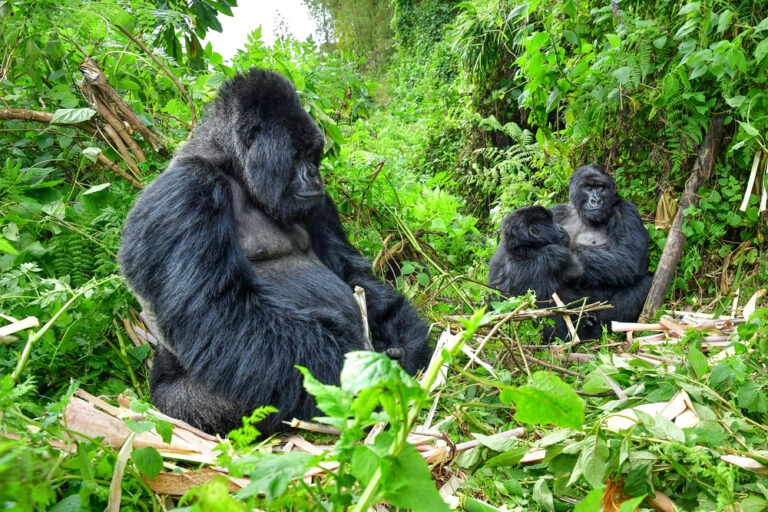

How Eco Tourism Is Saving Mountain Gorillas in Africa.
How Ecotourism Is Saving Mountain Gorillas in Africa
Introduction
Eco Tourism Mountain Gorillas, Africa. In the misty forests of central and East Africa, mountain gorillas teetered on the brink of extinction for decades. Today, however, their population is slowly increasing—thanks to ecotourism. More than just a travel trend, ecotourism in Africa has become a powerful conservation tool that directly funds gorilla protection, supports local communities, and preserves fragile ecosystems.
Countries like Rwanda, Uganda, and the Democratic Republic of Congo are leading the charge, offering sustainable gorilla trekking experiences that balance wildlife conservation with economic development.
Understanding the Mountain Gorilla
Mountain gorillas (Gorilla beringei beringei) are a subspecies of the eastern gorilla found in only three countries: Rwanda, Uganda, and D.R. Congo. Their habitat is limited to the Virunga Mountains and Bwindi Impenetrable National Park.
In the 1980s, their numbers dropped below 300. But today, due to strict protection efforts funded largely by ecotourism, the population exceeds 1,000 individuals.
What Is Eco Tourism?
Eco tourism promotes responsible travel to natural areas that conserve the environment, respect local cultures, and benefit communities. It emphasizes low-impact experiences like:
- Small group treks
- Trained local guides
- Community-run lodges
- Environmental education
- Direct conservation contributions from visitor fees
How Eco Tourism Supports Gorilla Conservation
Funding Conservation Efforts
A single gorilla trekking permit in Rwanda costs $1,500, in Uganda $700, and in D.R. Congo around $400. A significant percentage of this fee goes directly toward:
- Anti-poaching patrols
- Habitat protection
- Gorilla health monitoring
- Veterinary interventions via organizations like Gorilla Doctors
This constant funding helps maintain year-round surveillance and care for gorilla families.
Community Involvement and Incentives
Local communities benefit from revenue-sharing programs. In Uganda and Rwanda, a portion of park entrance fees and permit sales go to surrounding villages to fund:
- Schools and health centers
- Clean water projects
- Infrastructure and roads
- Jobs in guiding, porter services, and accommodation
With a vested interest in the gorillas’ survival, locals become conservation allies instead of threats.
Creating Awareness and Education
Ecotourism fosters global awareness of mountain gorilla conservation. Tourists learn about the species’ biology, behavior, and threats during guided treks. This education transforms travelers into ambassadors who support gorilla-friendly organizations long after their trip ends.
Limiting Environmental Impact
Unlike mass tourism, gorilla trekking follows strict protocols to avoid stress or disease transmission:
- Only 8 tourists are allowed per gorilla group per day
- Visits are limited to 1 hour
- Visitors must maintain a 7-meter distance
- Masks are sometimes required during outbreaks
This careful regulation ensures human presence doesn’t harm the gorillas.
Where to Go for Responsible Gorilla Trekking
Bwindi Impenetrable National Park – Uganda
Home to half the world’s mountain gorilla population, Bwindi offers community-based lodges like Buhoma Lodge and Gorilla Forest Camp, promoting eco-friendly stays and local employment.
Volcanoes National Park – Rwanda
Known for luxury eco-lodges like Bisate Lodge and Sabyinyo Silverback Lodge, Rwanda has set a global standard for high-end, low-impact gorilla trekking tourism.
Virunga National Park – D.R. Congo
Though politically sensitive, Virunga offers raw, adventurous treks with an emphasis on conservation. The park’s Mikeno Lodge and ranger-led tours highlight the role of tourism in conflict recovery and species protection.
Challenges and the Way Forward
Eco tourism is not without its challenges. Over-tourism, political instability, and disease outbreaks (like COVID-19) have interrupted progress. However, continued collaboration between governments, NGOs, and local communities ensures gorilla conservation remains sustainable and resilient.
There’s also growing investment in alternative experiences, such as nature walks, birding, and cultural tours, to ease pressure on the gorillas while still benefiting the communities.
Plan Your Visit With Us
Every gorilla trek supports a greater cause. By choosing ecotourism, you help fund conservation efforts, empower local communities, and ensure that future generations will still encounter gorillas in the wild. Whether you’re trekking through Bwindi, exploring the Virungas, or staying at a forest eco-lodge, your journey makes a lasting difference. Let us help you plan a responsible, unforgettable gorilla trekking experience in Africa.